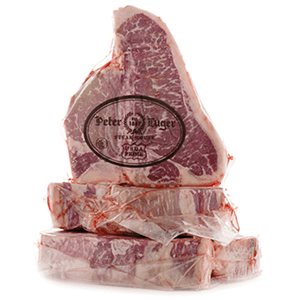
Beef aging is the process of preparing beef for consumption, mainly by breaking down the connective tissue. Dry-aged beef has been hung to dry for several weeks. After the animal is slaughtered and cleaned, either an entire half will be hung, or prime cuts will be placed in a cooler, also known as a ‘hot box.’ This process involves considerable expense, as the beef must be stored near freezing temperatures. Also, only the higher grades of meat can be dry aged, as the process requires evenly distributed fat. For these reasons one seldom sees dry-aged beef outside of steak restaurants and upscale butcher shops. The process changes beef by two means. First, moisture is evaporated from the muscle, concentrating flavor. Second, the beef’s natural enzymes break down the connective tissue in the muscle, which leads to more tender beef.
Dry-aging can promote the growth of certain mold species on the external surface of the meat. This doesn’t cause spoilage, but actually forms an external ‘crust,’ which is trimmed off when the meat is prepared for cooking. These fungal species complement the natural enzymes in the beef by helping to tenderize and increase the flavor of the meat. The genus Thamnidia, in particular, is known to produce collagenolytic enzymes which greatly contribute to the tenderness and flavor of dry-aged meat. Wet-aged beef is beef that has typically been aged in a vacuum-sealed bag to retain its moisture. This is the dominant mode of aging beef in the United States today. Wet-aging is popular because it takes less time (typically only a few days) and none of the weight is lost in the process. In contrast, dry-aging can take 15–28 days, and will see up to a third or more of the weight lost as moisture.


 The Daily Omnivore
Leave a comment