March 23, 2012

A hot-cold empathy gap is a cognitive bias in which a person underestimates the influences of visceral drives, and instead attributes behavior primarily to other, nonvisceral factors. The term was coined by psychologist and behavioral economist George Loewenstein. He argued that human understanding is ‘state dependent.’ For example, when one is angry, it is difficult to understand what it is like for one to be happy, and vice versa; when one is blindly in love with someone, it is difficult to understand what it is like for one not to be. The implications of this were explored in the realm of sexual decision-making, where young men in an unaroused ‘cold state’ fail to predict that when they are in an aroused ‘hot state’ they will be more likely to make risky sexual decisions, such as not using a condom.
The empathy gap has also been an important idea in research about the causes of bullying. In one study examining a central theory that, ‘only by identifying with a victim’s social suffering can one understand its devastating effects,’ researchers created five experiments. The first four examined the degree to which participants in a game who were not excluded could estimate the social pain of those participants who were excluded. The findings were that those were not socially excluded consistently underestimated the pain felt by those who were excluded.
Posted in Health, Science |
Leave a Comment »
March 23, 2012

The illusion of transparency is a tendency for people to overestimate the degree to which their personal mental state is known by others. Another manifestation of the illusion is a tendency for people to overestimate how well they understand others’ personal mental states. This cognitive bias is similar to the illusion of asymmetric insight.
Psychologist Elizabeth Newton created a simple test that she regarded as an illustration of the phenomenon. She would tap out a well-known song, such as ‘Happy Birthday’ or the national anthem, with her finger and have the test subject guess the song. People usually estimate that the song will be guessed correctly in about 50 percent of the tests, but only 3 percent pick the correct song. The tapper can hear every note and the lyrics in his or her head; however, the observer, with no access to what the tapper is thinking, only hears a rhythmic tapping.
read more »
Posted in Health, Science |
Leave a Comment »
March 23, 2012

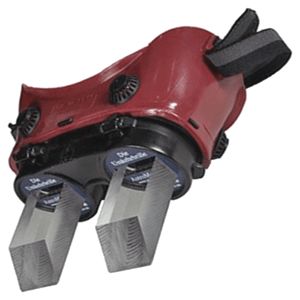
Computer-mediated reality refers to the ability to add to, subtract information from, or otherwise manipulate one’s perception of reality through the use of a wearable computer or hand-held device. Typically, it is the user’s visual perception of the environment that is mediated.
This is done through the use of some kind of electronic device, such as an EyeTap device or smart phone, which can act as a visual filter between the real world and what the user perceives. Computer-mediated reality has been used to enhance visual perception as an aid to the visually impaired: mediated reality was achieved by taking a video input stream that would have normally reached the user’s eyes, and computationally altering it into a more useful form.
Posted in Health, Technology |
Leave a Comment »
March 23, 2012

The Thatcher effect is a phenomenon characterized by difficulty detecting local feature changes in an upside down face, despite identical changes being obvious in an upright face. It is named after British former Prime Minister Margaret Thatcher on whose photograph the effect has been most famously demonstrated by Peter Thompson of the University of York (UK) in 1980. The effect is thought to be due to psychological processes involved in face perception which are tuned especially to upright faces. Faces seem unique despite the fact that they are very similar. It has been hypothesized that we develop processes to differentiate between faces that rely as much on the configuration (the structural relationship between individual features on the face) as the details of individual face features, such as the eyes, nose and mouth. When a face is upside down, the configural processing cannot take place, and so minor differences are more difficult to detect.
This effect is not present in people who have some forms of prosopagnosia, a disorder where face processing is impaired, usually acquired after brain injury or illness. This suggests that their specific brain injury may damage the process that analyses facial structures. Rhesus monkeys also show the Thatcher effect, raising the possibility that some brain mechanisms involved in processing faces may have evolved in a common ancestor 30+ million years ago. The basic principles of the Thatcher Effect in face perception have also been applied to biological motion. The local inversion of individual dots is hard, and in some cases, nearly impossible to recognize when the entire figure is inverted.
Posted in Health, Science |
Leave a Comment »
March 23, 2012
Perceptual adaptation is the means by which the brain accounts for the differences that the subject may witness, particularly alternations in the visual field. For example, if an individual’s visual field is altered forty five degrees left, the brain accounts for the difference allowing the individual to function normally. The brain plays a crucial role in the inner workings of vision. The world that one perceives is processed via the brain. Images sensed through the eyes is relayed to the visual cortex of the brain, and if vision is altered slightly, the brain accounts for the difference and will allow one to perceive the world as ‘normal.’ Over time, the brain processes even acute difference as normal.
Psychologist George M. Stratton was intrigued by the idea of perceptual adaptation. Because the retina receives images upside down, he was intrigued to see what happens when the brain receives an image that is right side up. Stratton conducted experiments in the 1890s in which he wore a reversing telescope for 21½ hours over three days. To his disappointment, his vision was unchanged. After removing the glasses, ‘normal vision was restored instantaneously and without any disturbance in the natural appearance or position of objects.’ Determined to find results, Stratton wore the telescoping glasses for eight days straight. By day four, his vision was upright (not inverted). However on day five, images appeared upright until he concentrated on them; then they became inverted again.
Posted in Health, Science, Technology |
Leave a Comment »
March 23, 2012

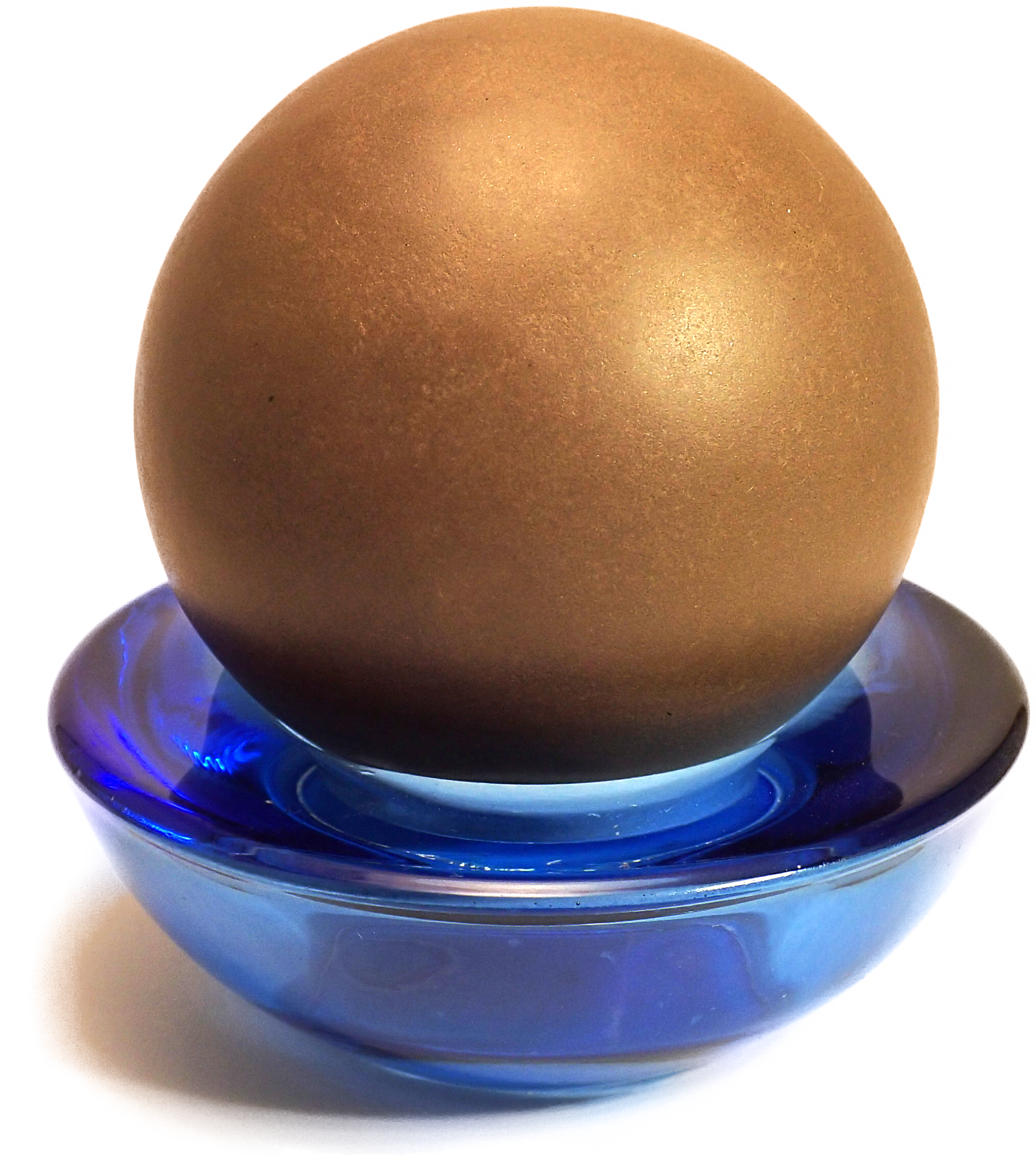
Dorodango is a Japanese art form in which earth and water are molded to create a delicate shiny sphere, resembling a marble or billiard ball. The phrase is derived from ‘doro’ (‘mud’) and ‘dango’ (a round dumpling, created from pressed rice flour). Making the basic dorodango is a traditional pastime for school children.
More recently the process has been refined into the art of the ‘hikaru’ (‘shining’) dorodango, which has a glossy or patterned surface. The core of the ball is made of basic mud, and further dusted with finer-grained soil before the water is drawn out through various methods- even sealing the ball inside a plastic bag and letting the water evaporate and then condense. Once the ball is fully tempered and hardened, it is polished by hand and displayed.
Posted in Art, Games, World |
Leave a Comment »
March 23, 2012
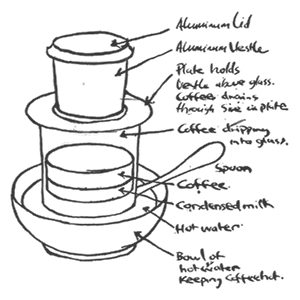
Vietnamese iced coffee is known as ‘Ca phe da.’ When milk is added it is called, ‘ca phe sua da.’ In northern Vietnam it is called ‘ca phe nau da’ (‘iced brown coffee). In its simplest preperation, Ca phe da is made with finely ground Vietnamese-grown dark roast coffee individually brewed with a small metal French drip filter (ca phe phin) into a cup containing about a quarter to a half as much sweetened condensed milk, stirred and poured over ice. Coffee was introduced into Vietnam by French colonists in the late 19th century. Vietnam quickly became a strong exporter of coffee with many plantations in the central highlands. The beverage was adopted with regional variations. Because of limitations on the availability of fresh milk, the French and Vietnamese began to use sweetened condensed milk with a dark roast coffee.
Vietnamese-Americans introduced the practice of adding chicory to coffee, and many Americans today believe that all true Vietnamese coffee contains chicory. One brand that uses chicory is Cafe du Monde, often cited as the coffee to use when brewing Vietnamese iced coffee. However, Cafe du Monde originated in New Orleans, and chicory coffee is an American phenomenon. In Vietnam, coffee is never served with chicory. Vietnamese brands such as Trung Nguyen or Indochine Coffee, both of which are headquartered in Vietnam and offer exclusively coffee grown in the central highlands.
Posted in Food, World |
Leave a Comment »
March 22, 2012
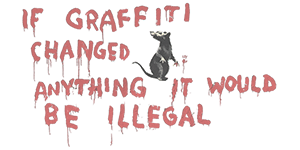
Street art is art, specifically visual art, developed in public spaces — that is, ‘in the streets’ — though the term usually refers to unsanctioned art, as opposed to government sponsored initiatives. The term can include traditional graffiti artwork, sculpture, stencil graffiti, sticker art, wheatpasting and street poster art, video projection, art intervention, guerrilla art, and street installations.
Typically, the term street art or the more specific post-graffiti is used to distinguish contemporary public-space artwork from territorial graffiti, vandalism, and corporate art. Artists have challenged art by situating it in non-art contexts. ‘Street’ artists do not aspire to change the definition of an artwork, but rather to question the existing environment with its own language. They attempt to have their work communicate with everyday people about socially relevant themes in ways that are informed by aesthetic values without being imprisoned by them. NYC based artist John Fekner defines street art as ‘all art on the street that’s not graffiti.’
read more »
Posted in Art, Politics, World |
Leave a Comment »
March 22, 2012

Giant Robot is a bi-monthly magazine of Asian and Asian American popular culture founded in 1994. It covers history, art, music, film, books, toys, technology, food and skateboarding. The publication grew from its original format—a small, photocopied zine, folded and stapled by hand—to its current full-color format. ‘Giant Robot’ was one of the earliest American publications to feature prominent Asian film stars such as Chow Yun-fat and Jet Li, as well as Asian musicians from indie and punk rock bands. Today, the coverage has expanded into art, design, Asian American issues, travel, and more.
In the late 1990s, Giant Robot expanded their endeavor to an online retail store selling artist goods, designer vinyl dolls, mini-figures, plush dolls, stationeries, art, t-shirts, and many creative goods. The success of the commercial website enabled the establishment of a brick-and-mortar retail store in 2001; first in Los Angeles and later in San Francisco. A third store, called GR2, was opened in Los Angeles, and features work by young contemporary artists. Giant Robot further expanded to a fourth store in New York City, and a fifth in Silverlake, as well as a restaurant called gr/eats, also in Los Angeles. The GR2, San Francisco, and New York locations feature monthly art exhibitions from up and coming and established artists.
Posted in Art, Language, World |
Leave a Comment »
March 22, 2012
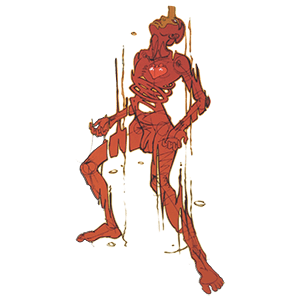
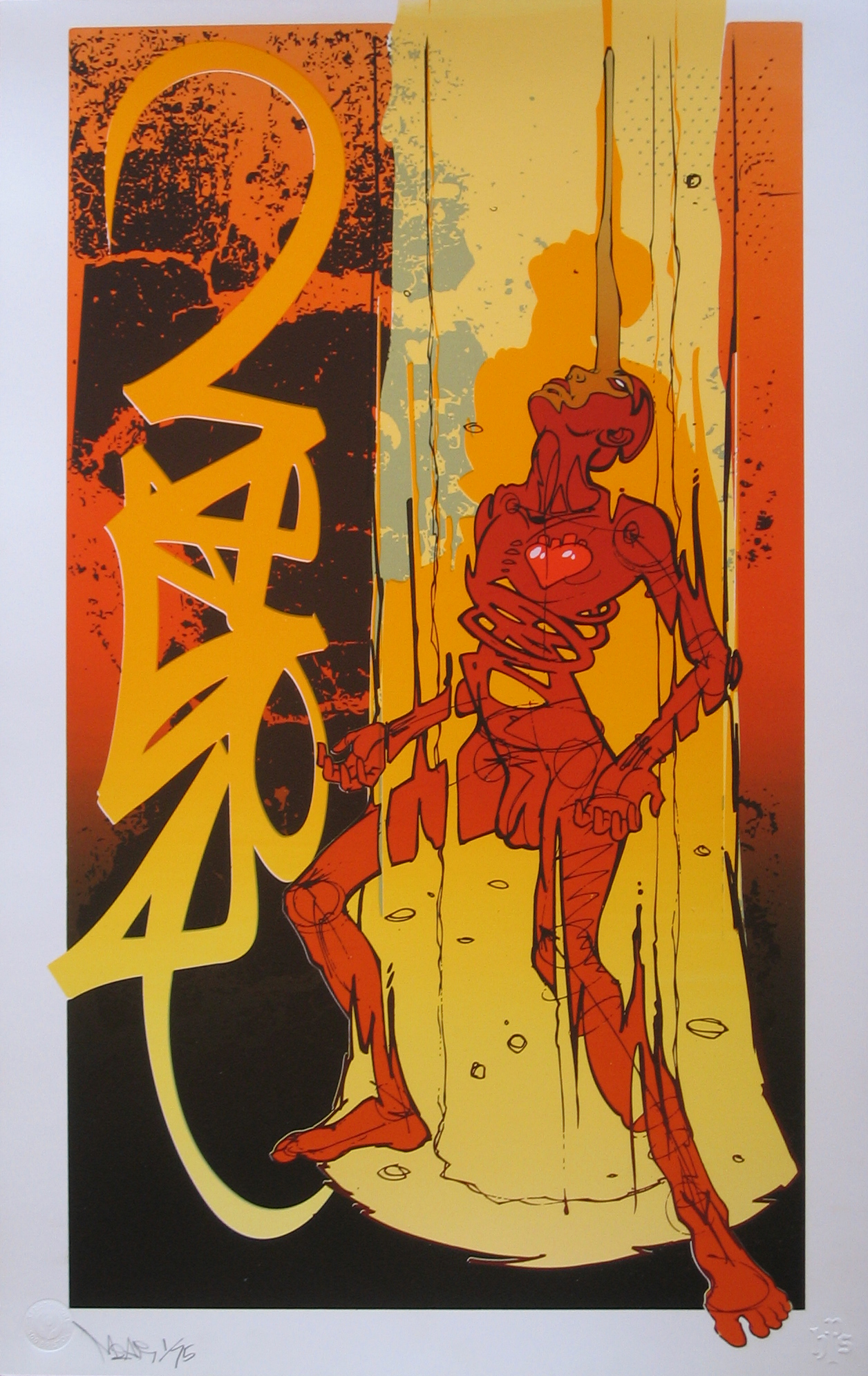
Mear One, real name Kalen Ockerman (b. 1971), is a Los Angeles-based artist, famously known for his often-political street graffiti art. Commonly referred to as the ‘Michelangelo’ of graffiti, Mear One is commonly associated with CBS (Can’t Be Stopped – City Bomb Squad) and WCA (West Coast Artist) crews. As a graphic designer, Mear One has designed apparel for Conart, Kaotic, as well as his own Reform brand.
Mear One has done album covers for artists like Non Phixion, Freestyle Fellowship, Alien Nation, Limp Bizkit, Busdriver and Daddy Kev. In 2004, Mear One joined artists Shepard Fairey and Robbie Conal to create a series of ‘anti-war, anti-Bush’ posters for a street art campaign called ‘Be the Revolution’ for the art collective ‘Post Gen.’ As a famed L.A. street artist and prolific graffiti writer for over 20 years his partners have included Skate One, Az Rock, Tren, Item, Anger, Yem, and Cisco.
Posted in Art, Politics |
Leave a Comment »
March 22, 2012

‘Dirty Hands: The Art and Crimes of David Choe’ is a 2008 documentary film about painter and graffiti artist David Choe, directed by his long time friend Harry Kim. Over more than a decade, Kim filmed the most intimate and dramatic moments of his best friend David Choe’s colorful life as an artist.
Dirty Hands began as a film school project, but gradually expanded into a half-hour film entitled ‘Whales and Orgies,’ then a feature-length documentary. The film premiered at the Los Angeles Film Festival in 2008, and had a theatrical premiere at the Roxie Theater in San Francisco in 2010.
Posted in Art, Politics |
Leave a Comment »
March 22, 2012

David Choe [chwae] (b. 1976) is a Korean American muralist, graffiti artist, and graphic novelist from Los Angeles. He achieved art world success with his ‘dirty style’ figure paintings—raw, frenetic works which combine themes of desire, degradation, and exaltation. Outside of galleries, he is closely identified with the bucktoothed whale he has been spray-painting on the streets since he was in his teens.
Choe’s work appears in a wide variety of urban culture and entertainment contexts. For example, he provided the cover art for Jay-Z and Linkin Park’s multi-platinum album ‘Collision Course,’ and created artwork to decorate the sets of ‘Juno’ and ‘The Glass House.’ During the 2008 presidential race, Choe painted a portrait of then-Senator Barack Obama for use in a grassroots street art campaign. The original was later displayed in the White House.
read more »
Posted in Art, Money, Politics |
Leave a Comment »



 The Daily Omnivore