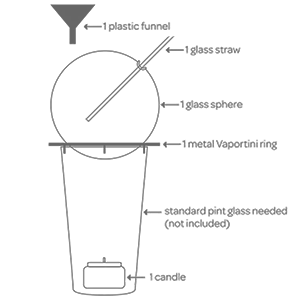
Alcohol Without Liquid is a process introduced first in Asia and Europe that allows people to take in liquor (distilled spirits) without actually consuming liquid. The machine vaporizes alcohol and mixes it with oxygen, allowing the consumer to breathe in the mixture.
The machine has been dubbed AWOL, a play on the military term AWOL (Absent Without Leave). The AWOL machine produces a very fine alcoholic mist. The continual intake of this mist over a twenty-minute period is the equivalent of taking one shot of distilled spirits. The machine was introduced to the United States in 2004.
The possible health and safety risks of inhaling alcohol vapors are unknown and many legislators are promoting legislation to ban alcohol inhalation machines. Michigan has made it illegal to possess, sell or use an AWOL machine, and as of 2008, 22 other states have banned the device. Support for such legislation comes from groups fighting underage drinking and drunk driving, including alcohol companies such as Diageo and industry groups such as the Distilled Spirits Council of the United States (DISCUS), among others.
The machine’s marketers say it produces a ‘Euphoric High’ and the effects of alcohol consumption with decreased intake of calories, carbohydrates, and hangovers associated with common liquid consumption. Hangovers are allegedly prevented because the amount of alcohol delivered is small and this prevents the metabolic effects of alcohol from taking place, such as being a diuretic and leading to a state of dehydration which in part is responsible for the feelings of hangover.
Vaporized alcohol also enters the bloodstream faster and its effects are more immediate than its liquid counterparts. If this is true, this will result in an enhanced euphoric effect, similar to drinking liquid on an empty stomach. (For similar rapid absorption, stimulants are insufflated instead of ingested. The rate of change is sensed by the nervous system.) Marketers encourage purchasers to use the machine no more than twice in a 24-hour period to avoid overconsumption, as this might be dangerous.


 The Daily Omnivore