February 26, 2026
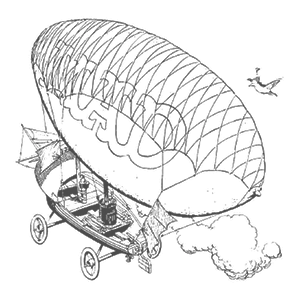
Mad has made frequent use of esoteric words, including potrzebie, furshlugginer, veeblefetzer, Moxie, ganef, halavah, and axolotl. Many, but not all of these words are of Yiddish or Jewish origin. Favored humorous names included Melvin, Bitsko, Kaputnik, Cowznofski, and Fonebone. Mad used the word ‘ecch’ or its cousins ‘blecch’ and ‘yecch’ as an all-purpose expression of disgust so often that even The Simpsons later made passing references to the practice, showing Mad covers with the unseen parodies ‘Beauty and the Blecch’ and ‘NYPD Blecch’.
The word ‘hoohah’ was an early running gag, often exclaimed by excited characters in the comic book issues written by Harvey Kurtzman; the first story in the first issue of Mad was titled ‘Hoohah!’. Its Eastern European feel was a perfect fit for the New York Jewish style of the publication. The precise origin of ‘hoohah’ is unknown, although it may have sprung from the Hungarian word for ‘wow’, which is hűha.
read more »
Posted in Art, Humor |
Leave a Comment »
February 15, 2026

Ice cream barge is the colloquial term for a BRL (Barge, Refrigerated, Large). BRLs were towed vessels employed by the United States Navy in the Pacific theater of World War II to store frozen and refrigerated foodstuffs. They were also able to produce ice cream in large quantities to be provisioned to sailors and US Marines. Three in total were produced: USS Hydrogen, USS Calcium, and USS Antimony.
The ships, concrete barges acquired from the US Army and worth one million dollars, stored 1,500 tons of frozen meat and 500 tons of refrigerated vegetables, eggs, and dairy products indefinitely at 15 °F. To improve the morale of overseas troops, an ice cream freezer facility was included, able to create 10 gallons of ice cream every seven minutes.
read more »
Posted in Food, War |
1 Comment »
February 7, 2026

The Hedgehog and the Fox is an essay by philosopher Isaiah Berlin that was published as a book in 1953. It was one of his most popular essays with the public. However, Berlin said, ‘I meant it as a kind of enjoyable intellectual game, but it was taken seriously. Every classification throws light on something.’ It has been compared to ‘an intellectual’s cocktail-party game.’
The title is a reference to a fragment attributed to the Ancient Greek poet Archilochus: ‘a fox knows many things, but a hedgehog knows one big thing.’ The fable of ‘The Fox and the Cat’ embodies the a related idea: having one simple, reliable skill is better than boasting many clever but useless plans.
read more »
Posted in Language, Philosophy |
Leave a Comment »
February 1, 2026
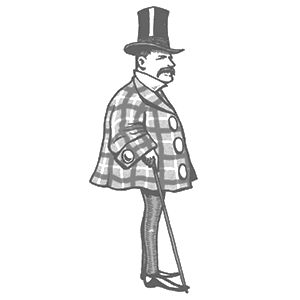
Dude is American slang for an individual, typically male. From the 1870s to the 1960s, dude primarily meant a male person who dressed in an extremely fashionable manner (a dandy) or a conspicuous citified person who was visiting a rural location, a ‘city slicker.’ In the 1960s, dude evolved to mean any male person, a meaning that slipped into mainstream American slang in the 1970s. Current slang retains at least some use of all three of these common meanings.
The etymology of the term is obscure. ‘Dude’ may have derived from the 18th-century word ‘doodle,’ as in ‘Yankee Doodle Dandy.’
read more »
Posted in Language |
1 Comment »


 The Daily Omnivore