October 22, 2010

Teardrop tattoos originated as a prison tattoo that was forced on some inmates by their ‘Sugar Daddy’ to signify sexual ownership and to permanently mark that person as a ‘sissy.’ The tattoo was later appropriated in the Chicano gangs of California by members who had killed another person, particularly while in prison. The tattoo can also mean that a family member, close friend or fellow gang member has died, frequently in a gang related incident.
In the United Kingdom, the tear tattoo can indicate someone that has spent time in a young offenders prison. In the U.S., A fully inked in teardrop can mean that a murder was committed. If the teardrop is clear in the middle, it can indicate an attempted murder, or that a loved one was murdered. A tear drop that is empty at the the top and inked at the bottom can indicate that a loved one was murdered and the killer was himself murdered by the tattoo wearer.
Posted in Art, Death, World |
Leave a Comment »
October 9, 2010

Celebratory gunfire is the shooting of a firearm into the air in celebration. It is culturally accepted in the Balkans, the Middle East, the South Asian regions of Northern India as well as Pakistan and Afghanistan and Latin American regions such as Puerto Rico as well as some areas of the United States. The practice may result in random death and injury from stray bullets. Property damage is sometimes another result of celebratory gunfire; shattered windows and damaged roofs are often found after such celebrations. People are injured, sometimes fatally, when bullets discharged into the air fall back down. In Puerto Rico about two people die and about 25 more are injured each year from celebratory gunfire on New Year’s Eve.
The mortality rate among those struck by falling bullets is about 32%, compared with about 2% to 6% normally associated with gunshot wounds. The higher mortality is related to the higher incidence of head wounds from falling bullets. Between the years 1985 and 1992, doctors at the King/Drew Medical Center in Los Angeles, California, treated some 118 people for random falling-bullet injuries. Thirty-eight of them died. Kuwaitis celebrating in 1991 at the end of the Gulf War by firing weapons into the air caused 20 deaths from falling bullets.
Posted in Death, Games, World |
Leave a Comment »
October 9, 2010
In Ireland, the Great Famine was a period of mass starvation, disease and emigration between 1845 and 1852. It is also known, mostly outside of Ireland, as the Irish Potato Famine. In the Irish language it is called ‘An Gorta Mór‘ (The Great Hunger) or ‘An Drochshaol’ (The Bad Times). During the Famine, Ireland’s population fell by between 20 and 25 percent. Approximately one million people died and a million more emigrated from Ireland. The proximate cause of famine was a plant disease commonly known as potato blight. The blight ravanged much of Europe but hit Ireland particularly hard due to a number of political, social and economic factors which remain the subject of historical debate.
For example, views of the Irish as racially inferior, and for this reason significantly responsible for their circumstances, gained purchase in Great Britain during and immediately after the famine. Discussion of the British government’s response to the failure of the potato crop in Ireland and the subsequent large-scale starvation, and whether or not this constituted genocide, remains a politically-charged issue in Ireland.
Posted in Death, Politics, World |
Leave a Comment »
October 1, 2010

Unit 731 was a covert biological and chemical warfare research and development unit of the Imperial Japanese Army that undertook lethal human experimentation during the Second Sino-Japanese War (1937–1945) and World War II. It was responsible for some of the most notorious war crimes carried out by Japanese personnel. Unit 731 was the code name of an Imperial Japanese Army unit officially known as the Epidemic Prevention and Water Purification Department of the Kwantung Army. It was initially set up under the Kempeitai military police of the Empire of Japan to develop weapons of mass destruction for potential use against Chinese, and possibly Soviet forces.
read more »
Posted in Death, Politics, War |
Leave a Comment »
September 23, 2010

Ego death is the perceived loss of boundaries between self and environment, often brought on by psychedelic drugs such as LSD, psilocybin, mescaline, or DMT. Many other methods, practices, or experiences may also induce this state, including prayer, sleep deprivation, fasting, meditation practice, or through the use of an isolation tank. It’s often described as, ‘becoming one with the universe.’
It is an experience that purportedly reveals the illusory aspect of the ego, and is undergone by psychonauts, mystics, shamans, monks, psychologists, and others interested in exploring the depths of the mind. The practice of ego death as a deliberately sought ‘mystical experience’ in some ways overlaps, but is nevertheless distinct from, traditional teachings concerning enlightenment/’Nirvana’ (in Buddhism) or ‘Moksha’ (in Hinduism and Jainism), which might perhaps be better understood as transcendence of the notion that one even has any actual, non-illusory ‘ego’ with which to experience ‘death’ in the first place.
Posted in Death, Drugs, Philosophy |
1 Comment »
September 22, 2010

Sky burial or ritual dissection was once a common funerary practice in Tibet wherein a human corpse is cut in specific locations and placed on a mountaintop, exposing it to the elements (or the mahabhuta) and animals – especially to birds of prey. The location of the sky burial preparation and place of execution are called charnel grounds. In Tibet the practice is known as jhator, which literally means, ‘giving alms to the birds.’
The majority of Tibetans adhere to Buddhism, which teaches rebirth. There is no need to preserve the body, as it is now an empty vessel. Birds may eat it, or nature may let it decompose. So the function of the sky burial is simply the disposal of the remains. In much of Tibet the ground is too hard and rocky to dig a grave, and with fuel and timber scarce, a sky burial is often more practical than cremation.
Posted in Death, Philosophy, World |
Leave a Comment »
August 12, 2010
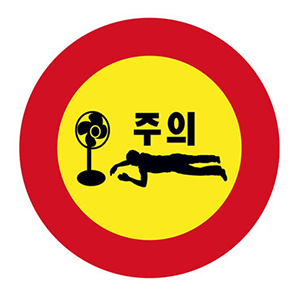
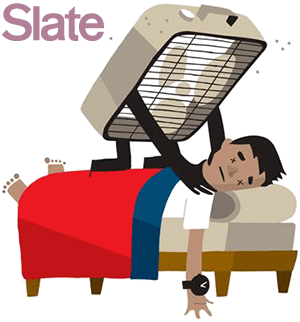
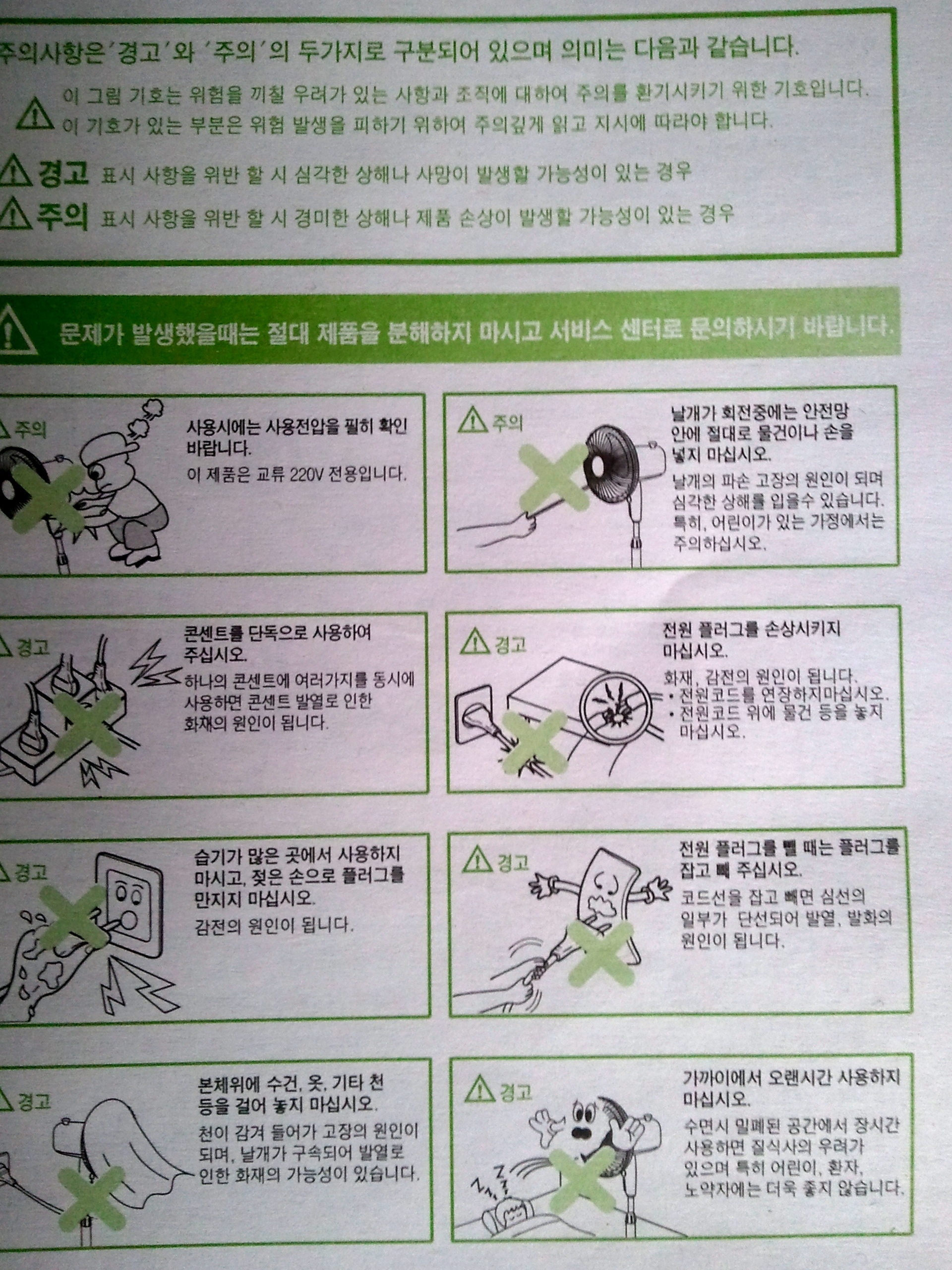
Fan death is a putative phenomenon, generally accepted only in South Korea, in which an electric fan left running overnight in a closed room can cause the death of those inside. Fans sold in Korea are equipped with a timer switch that turns them off after a set number of minutes, which users are frequently urged to set when going to sleep with a fan on.
The genesis of this misconception is unclear. Some have speculated that the South Korean government created the idea of fan death as propaganda in order to curb the energy consumption of Korean households. This theory is based on the fact that reports of fan death first appeared in the 1970s. This coincided with the 1970s energy crisis, which led to a short supply and high prices of oil; it also coincided with the rule of President Park Chung-hee, who listed attaining a self-reliant economy and modernization as his top goals, as announced in his Five Year Economic development Plan.
read more »
Posted in Death, Money, World |
1 Comment »


 The Daily Omnivore