April 14, 2011


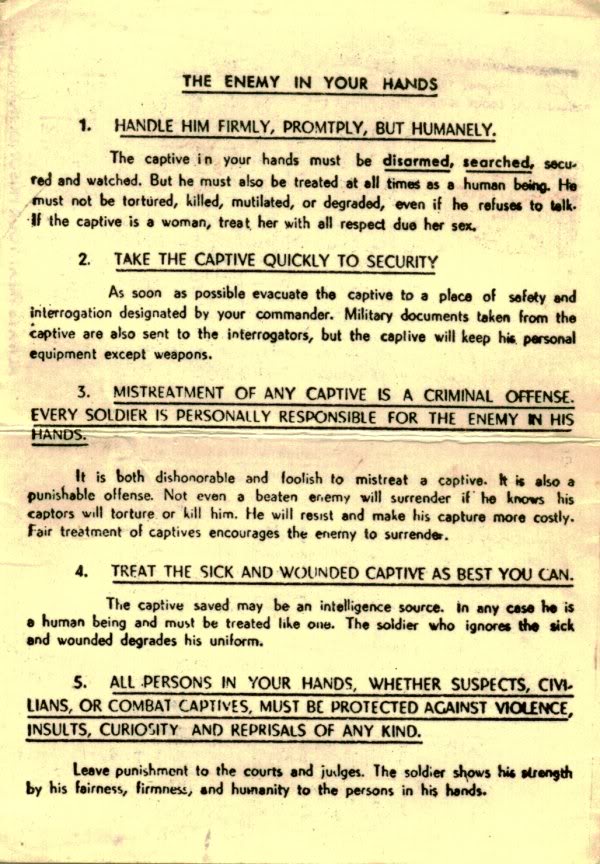
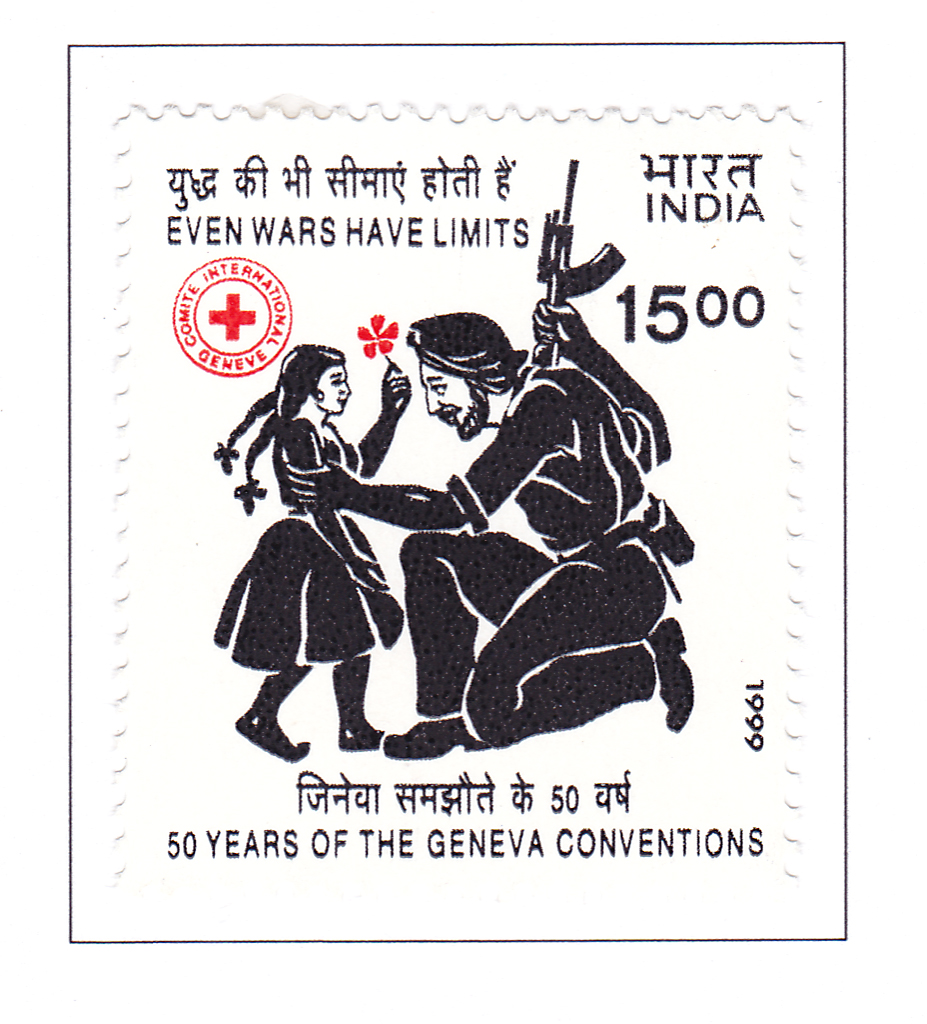
The Geneva Conventions are a set of four treaties of international law. They were formulated in Geneva, Switzerland. All of the four treaties are about humanitarian issues. The first treaty was the product of Swiss activist, Henri Dunant in 1859. The documents require that all states who sign them create national laws to make violations of the Geneva Conventions a crime.
The first Convention, adopted in 1864, was devoted to care for the injured in battle, and required medical teams on the battlefield to provide aid to enemy combatants. The Second Convention, adopted in 1949, expanded the scope of the first treaty to marine battles. The Third Convention, adopted in 1929, addressed the treatment of prisoners of war. The Fourth Convention, adopted in 1949, expanded the scope of the third convention to include civilians. Later conferences have added text that forbids certain methods of warfare.
Posted in Politics, War, World |
Leave a Comment »
April 11, 2011
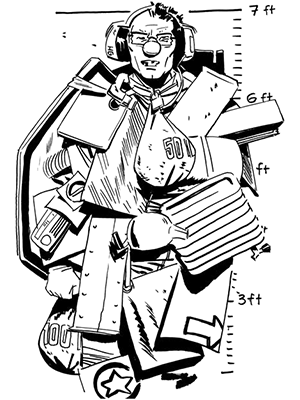
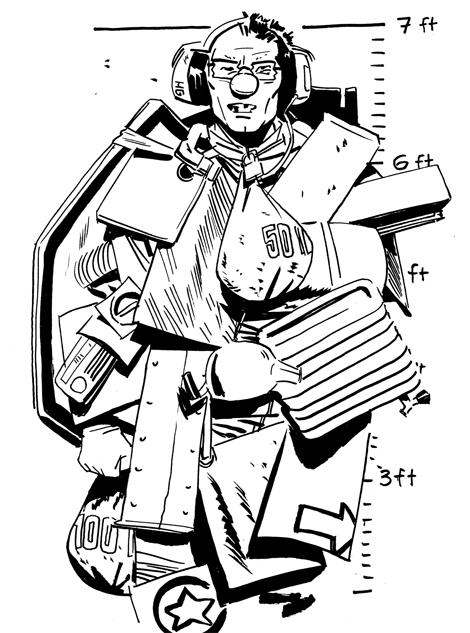
‘Harrison Bergeron‘ is a satirical, dystopian science fiction short story written by Kurt Vonnegut and first published in 1961. The story is set in the year 2081. Due to the 211th, 212th and 213th Amendments to the Constitution of America, all Americans are mandated equal.
‘They were not only equal before God and the law. They were equal every which way.’ In America no one is more intelligent than anyone else, no one is better looking or more athletic than anyone else. In order to stop any sort of competition in society these measures are enforced by the United States Handicapper General.
read more »
Posted in Art, Humor, Politics |
Leave a Comment »
April 11, 2011


The Amethyst Initiative is an organization made up of U.S. college presidents and chancellors that in 2008 launched a movement calling for the reconsideration of U.S. drinking age laws, particularly the minimum age of 21 as established nationally by the National Minimum Drinking Age Act of 1984. The initiative is currently supported by 135 college presidents.
According to Greek and Roman legend, amethysts protected their owners from drunkenness.
Posted in Drugs, Health, Politics |
Leave a Comment »
April 8, 2011
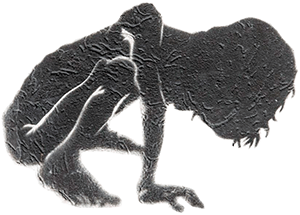

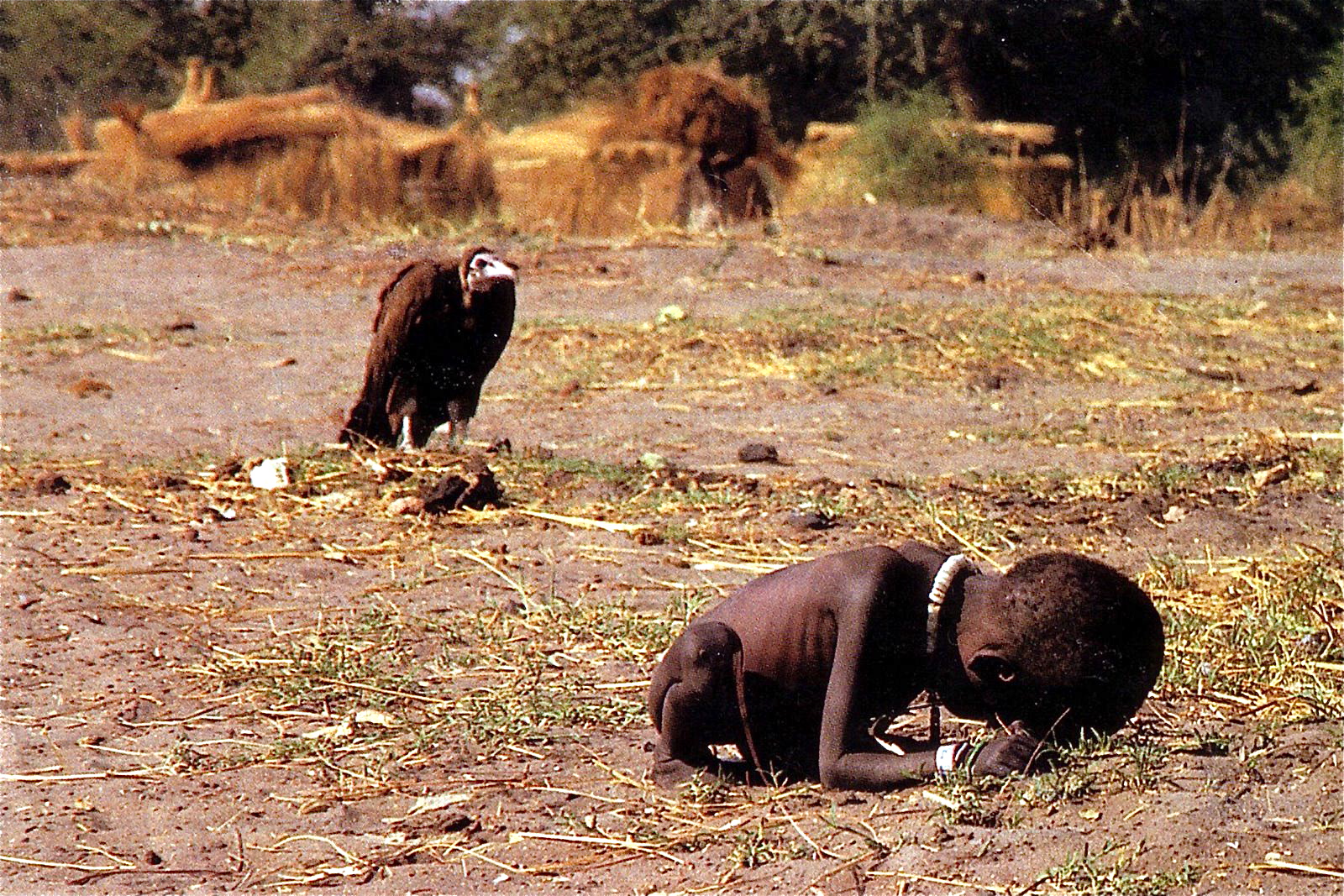
Kevin Carter (1960 – 1994) was an award-winning South African photojournalist and member of the ‘Bang-Bang Club,’ a collective of war photojournalists that also included Greg Marinovich, Ken Oosterbroek, and Joao Silva.
read more »
Posted in Art, Politics, War |
Leave a Comment »
April 8, 2011

The Bang-Bang Club was a name primarily associated with four photographers active within the townships of South Africa during the Apartheid period, particularly between 1990 and 1994, from when Nelson Mandela was released from jail to the 1994 elections. Kevin Carter, Greg Marinovich, Ken Oosterbroek, and Joao Silva were the four main men associated with the name, although a number of photographers and photojournalists worked alongside them (such as James Nachtwey and Gary Bernard).
The name ‘Bang-Bang Club’ was born out of an article published in the South African magazine ‘Living.’ Originally named the ‘Bang-Bang Paparazzi,’ it was changed to ‘Club’ because the members felt the word paparazzi misrepresented their work. The name comes from the culture itself; township residents spoke to the photographers about the ‘bang-bang’ in reference to violence occurring within their communities, but more literally, ‘bang-bang’ refers to the sound of gunfire and is a colloquial form of nomenclature used by conflict photographers.
Posted in Death, Politics, War |
Leave a Comment »
April 3, 2011

Ron English (b. 1959) is an American contemporary artist who explores popular brand imagery and advertising. His signature style employs a mash-up of high and low cultural touchstones, including comic superhero mythology and totems of art history. He is also widely considered a seminal figure in the advancement of street art away from traditional wild-style lettering and into clever statement and masterful trompe l’oeil (the illusion of three dimensions). He has created illegal murals and billboards that blend biting political, consumerist and surrealist statements, hijacking public space worldwide for the sake of art since the 1980s.
Culture jamming is one aspect of his work, involving ‘liberating’ commercial billboards with his own messages. Frequent targets of his work include Joe Camel, McDonald’s, and Mickey Mouse. English is as well-known for his photorealist technique and inventive use of color and comic book collage as he is for his unique cast of characters, including sexualized animals, skeletal figures, Marilyn Monroe with Mickey Mouse breasts, the corpulent fast food spokesman ‘MC Supersized,’ and one of his most significant creations, ‘Abraham Obama,’ a fusion of America’s 16th and 44th Presidents. English also takes inspiration from Andy Warhol, the band KISS, and various cartoons.
Posted in Art, Money, Politics |
Leave a Comment »
April 1, 2011

David Gonzales is a Mexican-American cartoonist from Richmond, California, currently living in nearby Hercules. He is the creator of the ‘Homies’ line of toys, a series of 2-inch figurines based upon Chicano (Mexican American) characters.
read more »
Posted in Art, Politics |
Leave a Comment »
March 31, 2011

Joe Wong is a Chinese American comedian. He grew up in Jilin Province, China, and came to study chemistry at Rice University in Texas in 1994. He moved to Boston in 2001 and began to perform his comedy.
Posted in Humor, Politics, World |
Leave a Comment »
March 29, 2011

Minuteman Salsa was a brand of salsa made in the United States. The brand was founded by Ryan Lambert, along with four associates during the summer of 2006 in reference to the illegal immigration debate. According to the company’s Web site, it is America’s only 100% United States-made salsa. Minuteman Salsa donates a portion of its profits to the Minuteman Project, a group of American citizens whose goal is to deter illegal crossings of the United States–Mexico border. The salsa’s slogan was ‘Deport Bad Taste.’
Posted in Food, Money, Politics |
Leave a Comment »
March 29, 2011

Freedom fries is a political euphemism for French fries used in the US as a result of anti-French sentiment during the controversy over the decision to invade Iraq in 2003. France expressed strong opposition in the UN, leading to boycotts of French goods and the removal of the country’s name from products.
Representatives Robert W. Ney (R-Ohio) and Walter B. Jones, Jr. (R-North Carolina) declared that all references to French fries and French toast on the menus of the restaurants and snack bars run by the House of Representatives would be removed. House cafeterias were ordered to rename French fries ‘freedom fries.’ This action was carried out without a congressional vote, under the authority of Ney’s position as Chairman of the Committee on House Administration, which oversees restaurant operations for the chamber.
read more »
Posted in Humor, Politics, World |
Leave a Comment »
March 29, 2011

Scapegoating is singling out someone for unmerited negative treatment or blame. A whipping boy or ‘fall guy’ is a form of scapegoat. The word is a mistranslation of the Hebrew word ‘Azazel.’ The Biblical scapegoat was a goat cast out into the desert as part of the ceremonies of the Day of Atonement.
Since this goat, carrying the sins of the people placed on it, is sent away to perish, the word ‘scapegoat’ has come to mean a person, often innocent, who is blamed and punished for the sins, crimes or sufferings of others, generally as a way of distracting attention from the real causes. In Christian theology, the story of the scapegoat in Leviticus is interpreted as a symbolic prefiguration of the self-sacrifice of Jesus, who takes the sins of humanity on his own head, having been crucified on a cross outside the city by order of the high priests.
read more »
Posted in Language, Philosophy, Politics |
Leave a Comment »
March 29, 2011

Sheeple (a portmanteau of ‘sheep’ and ‘people’) is a term of disparagement, in which people are likened to sheep. It is often used to denote persons who voluntarily acquiesce to a perceived authority or suggestion without sufficient research to understand fully the ramifications involved in that decision, and thus undermine their own human individuality or in other cases give up certain rights.
The implication of sheeple is that as a collective, people believe or do whatever they are told, especially if told so by a perceived authority figure believed to be trustworthy, without critically thinking about it or doing adequate research to be sure that it is an accurate representation of the real world around them. The term is generally used in a political, social, and mostly in a spiritual sense.
Posted in Humor, Language, Politics |
Leave a Comment »




 The Daily Omnivore