April 23, 2011
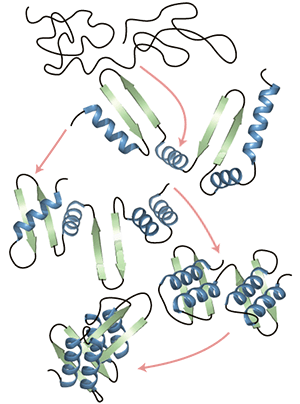
Proteomics [proh-tee-om-iks] is the large-scale study of proteins, particularly their structures and functions. Proteins are vital parts of living organisms, as they are the main components of the physiological metabolic pathways of cells. The term ‘proteomics’ was first coined in 1997 to make an analogy with genomics, the study of the genes. The word ‘proteome’ is a blend of ‘protein’ and ‘genome,’ and was coined by Australian geneticist, Marc Wilkins, in 1994. The proteome is the entire complement of proteins, including the modifications made to a particular set of proteins, produced by an organism or system. This will vary with time and distinct requirements, or stresses, that a cell or organism undergoes.
After genomics, proteomics is considered the next step in the study of biological systems. It is much more complicated than genomics mostly because while an organism’s genome is more or less constant, the proteome differs from cell to cell and from time to time. This is because distinct genes are expressed in distinct cell types. This means that even the basic set of proteins which are produced in a cell needs to be determined.
Posted in Health, Science, Technology |
Leave a Comment »
April 23, 2011
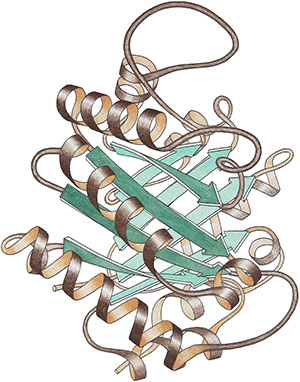
Ribbon diagrams, also known as Richardson Diagrams, are 3D schematic representations of protein structure and are one of the most common methods of protein depiction used today. Ribbon diagrams are generated by interpolating a smooth curve through the polypeptide backbone. Ribbon diagrams are simple, yet powerful, in expressing the visual basics of a molecular structure (twist, fold and unfold). This method has successfully portrayed the overall organization of the protein structure, reflecting its 3-dimensional information, and allowing for better understanding of a complex object both by the expert structural biologists and also by other scientists, students, and the general public.
Originally conceived by Jane S. Richardson in 1980, her hand-drawn ribbon diagrams were the first schematics of 3D protein structure to be produced systematically. They are generated by interpolating a smooth curve through the polypeptide backbone. Alpha-helices are shown as coiled ribbons or thick tubes, Beta-strands as arrows, and lines or thin tubes for random coils. The direction of the polypeptide chain may be indicated by a color ramp along the length of the ribbon.
Posted in Art, Science |
Leave a Comment »
April 23, 2011
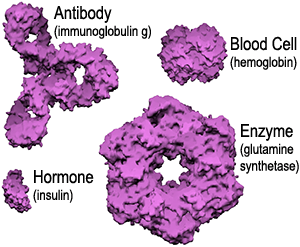

Proteins are large molecules built from peptides: chains of amino acids held together with peptide bonds. A polypeptide is a single linear chain of two or more amino acids. Protein molecules consist of one or more polypeptides put together typically in a biologically functional way. The shortest peptides are dipeptides, consisting of two amino acids joined by a single peptide bond. There can also be tripeptides, tetrapeptides, pentapeptides, etc.
Proteins are used to make new tissue and cells, as enzymes (catalysts that accelerate chemical reactions in the body), hormones (chemical messengers), or antibodies (immunological agents).
read more »
Posted in Food, Health, Science |
Leave a Comment »
April 23, 2011
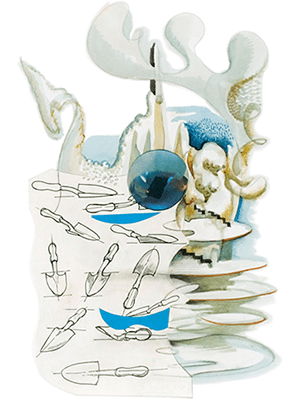
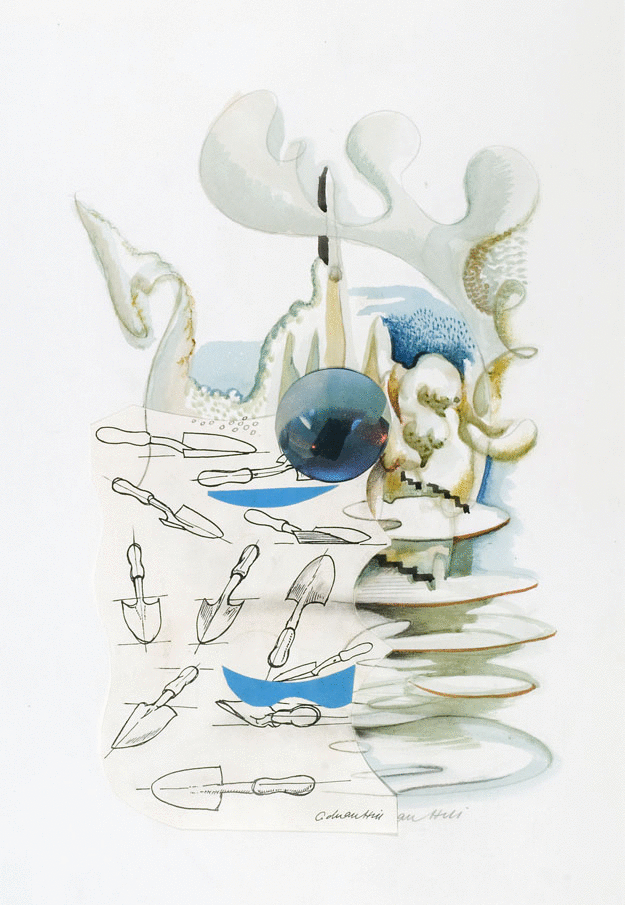
Adrian Hill (1895–1977) was a British artist and pioneering Art Therapist. He wrote many best-selling books about painting and drawing, and in the 1950s and early 1960s presented a BBC children’s television program called ‘Sketch Club.’
His own work combined elements of impressionism and surrealism as well as more conventional representations, and was widely displayed at major art galleries during his lifetime, both in Britain and abroad.
read more »
Posted in Art, Health, Science |
Leave a Comment »
April 21, 2011
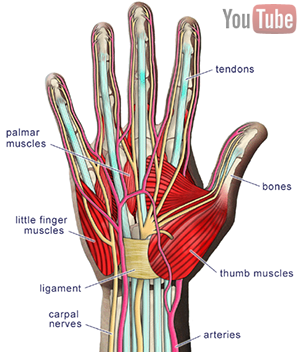
Hand transplantation is a surgical procedure to transplant a hand from one human to another. The operation is carried out in the following order: bone fixation, tendon repair, artery repair, nerve repair, then vein repair. The operation typically lasts 8 to 12 hours. The first short-term success in human hand transplantation occurred with New Zealander Clint Hallam who had lost his hand in an accident while in prison. The operation was performed in 1998 in France by a team assembled from different countries around the world.
Hallam’s transplanted hand was removed at his request in 2001 following an episode of rejection. The first hand transplant to achieve prolonged success was performed on New Jersey native Matthew Scott in 1999. Scott had lost his hand in a fireworks accident at age 24. Later that year the Philadelphia Phillies asked him to do the honors of throwing out the ceremonial first pitch.
Posted in Health, Science |
Leave a Comment »
April 21, 2011

A diagnosis of exclusion (per exclusionem) is a medical condition whose presence cannot be established with complete confidence from examination or testing. Diagnosis is therefore by elimination of other reasonable possibilities. Perhaps the largest category of diagnosis by exclusion is seen among psychiatric disorders where the presence of physical or organic disease must be excluded as a prerequisite for making a functional diagnosis.
Diagnosis by exclusion tends to occur where scientific knowledge is scarce, specifically where the means to verify a diagnosis by an objective method is absent. As a specific diagnosis cannot be confirmed a fall back position is to exclude that group of known causes that may cause a similar clinical presentation.
read more »
Posted in Health, Language, Science |
Leave a Comment »
April 21, 2011

A parahuman is a human-animal hybrid or chimera. Scientists have done extensive research into the mixing of genes or cells from different species, e.g. adding human (and other animal) genes to bacteria and farm animals to mass-produce insulin and spider silk proteins, and introducing human cells into mouse embryos. There is no scientific field of parahuman research. Ethical, moral, and legal issues of parahuman research are speculative extensions of existing issues that arise in actual research.
There are several reasons for which parahumans or chimeras might be created. The current forms of chimera exist for medical and industrial purposes. Other experiments aim to reveal knowledge about the function of the human body, e.g., by creating mice with a human-like immune system to study AIDS or with a brain incorporating human nerve cells. Restrictions on cloning and stem cell research have made chimera research an attractive alternative.
Posted in Politics, Science, Technology |
Leave a Comment »
April 21, 2011

The humanzee (or chuman) is a hypothetical chimpanzee/human hybrid. The chromosomal similarity of humans and chimps is roughly equivalent to that found in equines (horses, zebras, donkeys, etc.), leading to contested speculation that a hybrid is possible, though no specimen has ever been confirmed.
Geneticists adhere to the portmanteau word convention to indicate which species is the sire (e.g. tigon/liger) For geneticists, ‘Chuman’ therefore refers to a hybrid of male chimpanzee and female human, while ‘Humanzee’ refers to a hybrid of male human and female chimpanzee.
read more »
Posted in Language, Science, Sex |
1 Comment »
April 21, 2011

The Great Ape Project (GAP), founded in 1994, is an international organization of primatologists, anthropologists, ethicists, and other experts who advocate a UN ‘Declaration of the Rights of Great Apes’ that would confer basic legal rights on non-human great apes: chimpanzees, bonobos, gorillas, and orangutans. The rights suggested are the right to life, the protection of individual liberty, and the prohibition of torture. The organization also monitors individual great ape activity in the US through a census program. Once rights are established, GAP would demand the release of great apes from captivity; currently 3,100 are held in the U.S., including 1,280 in biomedical research.
The project is founded on the principle that great apes possess rationality and self-consciousness, and the ability to be aware of themselves as distinct entities with a past and future. Documented conversations (in sign languages) with individual great apes are the basis for this tenet. However, their biological similarity with humans is also key to the traits for which they are valuable as research subjects. For example, testing of antibody treatments can not be done in species less similar to humans than chimpanzees.
Posted in Philosophy, Politics, Science |
Leave a Comment »
April 21, 2011
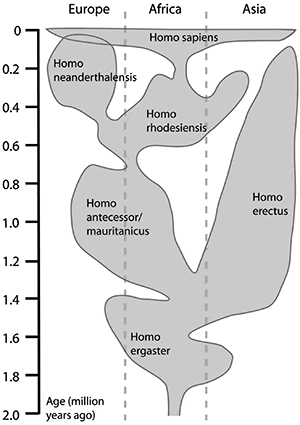
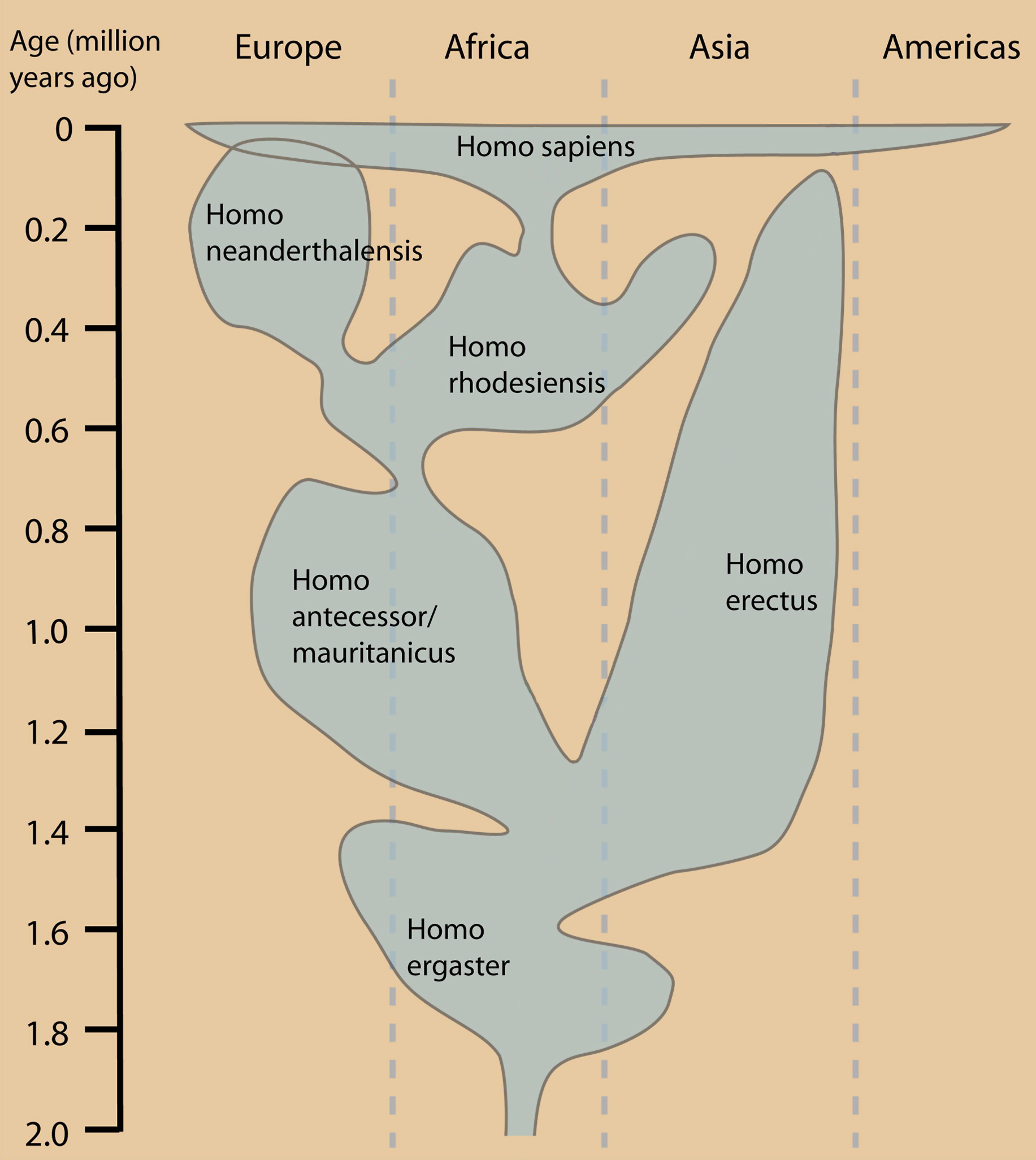
Homo (Latin for ‘man’) is the genus separated from the earlier hominids because of the emergence of tool use, language and culture. The genus begins about 2.3 million years ago. The characteristics of these species are bigger brain (above 1000 ml), the forehead rises straight up, the skull becomes rounder, the teeth are reduced, arms are shorter and legs are longer, and the skeleton becomes more delicate. It was Carolus Linnaeus, the father of modern taxonomy (the science of classification) who chose the name Homo for the genus humans are categorized in.
There is only one living species in the genus: Homo sapiens. All others are extinct (e.g. homo erectus, homo neanderthalensis). Anthropologists are still investigating the exact line of descent of the human species. The evolution of the genus Homo took place mostly in the Pleistocene (the epoch from 2,588,000 to 12,000 years BCE). The homo genus is characterised by its use of stone tools, initially crude, and becoming ever more sophisticated. So much so that in archaeology and anthropology the Pleistocene is usually referred to as the Palaeolithic, or the Stone Age.
Posted in Science, Technology |
Leave a Comment »
April 21, 2011

Pan prior is the name suggested by British -anthropologist Richard Wrangham for the last common ancestor of humans (Homo sapiens) and chimpanzees (Pan troglodytes). This species is supposed, on the basis of DNA reconstruction (no fossil remains have been found), to have existed prior to six million years ago, when the human and chimpanzee lines are thought to have diverged. Pan prior lived an arboreal existence in the forests of Africa.
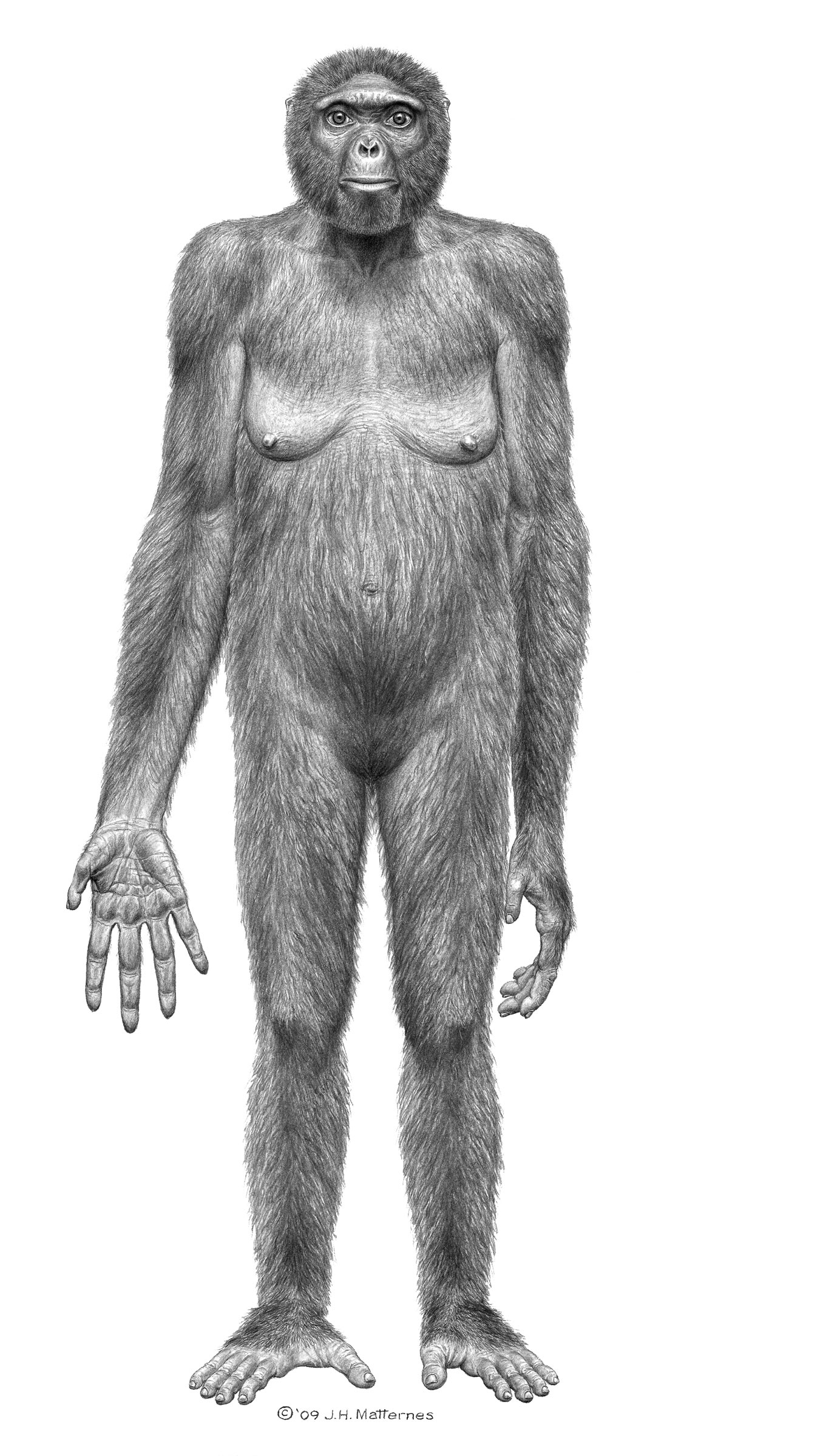
It was initially thought that an Ice Age, around seven million years ago, caused forests to shrink thus prompting some members of the species to venture into the savannah, becoming the ancestors of humanity. However, the discovery of Ardipithecus ramidus shows that bipedal locomotion was used both on the ground and in the trees around 4.4 million years ago. Researchers infer from the form of her pelvis and limbs that she was bipedal when moving on the ground, but quadrupedal when moving about in tree branches.
Posted in Science |
Leave a Comment »
April 21, 2011
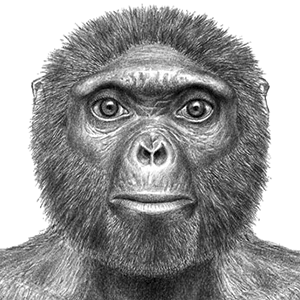
Ardi is the name given to the fossilized skeletal remains of a female Ardipithecus ramidus, an early human-like species 4.4 million years old. It is the most complete early hominid specimen discovered, with most of the skull, teeth, pelvis, hands and feet. The word Ardi means ‘ground floor’ and the word ramid means ‘root’ in the Afar language.
read more »
Posted in Science |
Leave a Comment »




 The Daily Omnivore