
Amerikamura (American Village) is a retail and entertainment area in Osaka, Japan. It contains a small-scale reproduction of the Statue of Liberty that peers down on the streets, and features Western themed restaurants and shops.
Everything is Interesting
Amerikamura (American Village) is a retail and entertainment area in Osaka, Japan. It contains a small-scale reproduction of the Statue of Liberty that peers down on the streets, and features Western themed restaurants and shops.

Scheherazade [shuh-her-uh-zahd] is a legendary Persian queen and the storyteller of One Thousand and One Nights, a collection of Middle Eastern and South Asian stories and folk tales compiled in Arabic during the Islamic Golden Age. It is often known in English as the Arabian Nights. Some of the best-known stories of The Nights, particularly ‘Aladdin’s Wonderful Lamp’, ‘Ali Baba and the Forty Thieves’ and ‘The Seven Voyages of Sinbad the Sailor,’ while almost certainly genuine Middle-Eastern folk tales, were not part of The Nights in Arabic versions, but were interpolated into the collection by European translators.
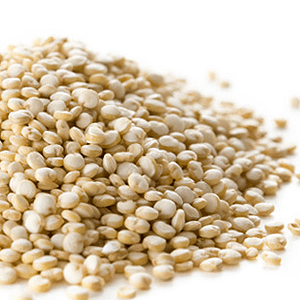
Quinoa [keen-wah] is a grain-like crop originating from the Andean region of South America, where it has been an important food for 6,000 years. It is a pseudocereal rather than a true cereal, or grain because it is not a member of the grass family. Quinoa is closely related to species such as beets, spinach, and tumbleweeds, and is grown primarily for its edible seeds, although its leaves are also edible.
Quinoa has become highly appreciated for its nutritional value, as its protein content is very high (12%–18%). Unlike wheat or rice (which are low in lysine), quinoa contains a balanced set of essential amino acids for humans, making it an unusually complete protein source among plant foods.
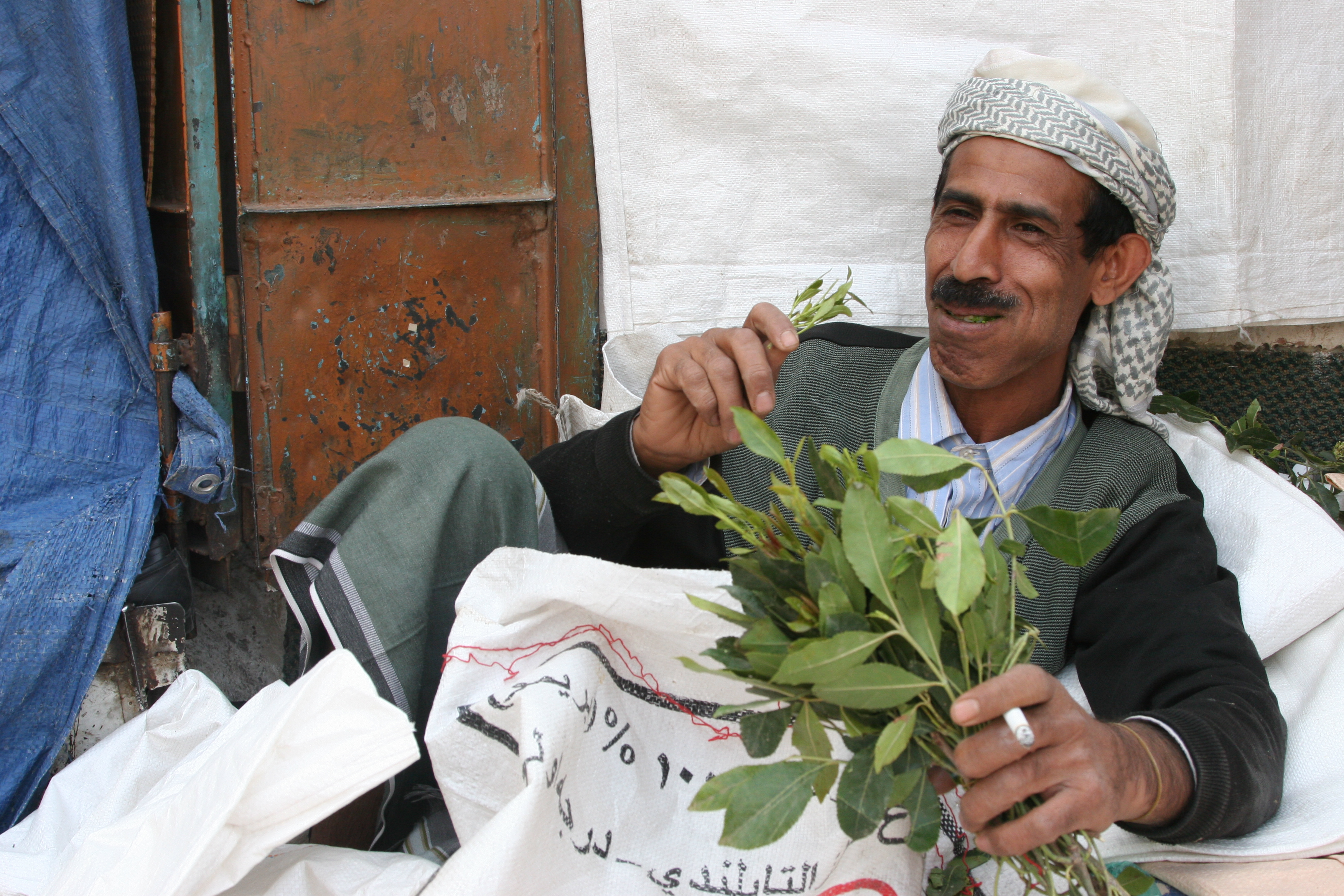
Qat, or khat [kaht] is a flowering plant native to tropical East Africa and the Arabian Peninsula. Qat contains an alkaloid called cathinone, an amphetamine-like stimulant stimulates the release of dopamine and can cause excitement, loss of appetite and euphoria.
In 1980 the World Health Organization classified qat as a drug of abuse that can produce mild to moderate psychological dependence. It is a controlled or illegal substance in many countries, but has been grown for use as a stimulant for centuries in the Horn of Africa and the Arabian Peninsula. There, chewing qat predates the use of coffee and is used in a similar social context.

Baijiu is a Chinese liquor made from distilled sorghum, a tropical grass, or other grains. The name baijiu literally means ‘white liquor’ or ‘white spirit,’ and it is generally about 80 to 120 proof, or 40-60% alcohol by volume (ABV). Because of its clarity, baijiu can appear similar to several other liquors, but generally has a significantly higher ABV than, for example, vodka (35-50%), Japanese shōchū (25%), or Korean soju (20-45%), and its flavour is distinctive and unique. In 2008 baijiu was the world’s most consumed spirit, with annual sales of 520 million 9-liter cases compared to vodka with 497 million 9-liter cases.
Wuliangye is the most popular brand, followed by Maotai.

Blek le Rat was born Xavier Prou in Paris in 1952.
He is considered by many the godfather of stencil graffiti art. He began his artwork in 1981, painting stencils of rats on the street walls of Paris, describing the rat as ‘the only free animal in the city,’ and one which ‘spreads the plague everywhere, just like street art.’ His name originates from a childhood cartoon ‘Blek le Roc,’ using ‘rat’ as an anagram for ‘art.’
read more »
A shibboleth [shib-uh-lith] is any distinguishing practice that is indicative of one’s social or regional origin. It usually refers to features of language, and particularly to a word whose pronunciation identifies its speaker as being a member or not a member of a particular group. But, shibboleths can also be customs or practices, such as male circumcision.
Shibboleths have been used by different subcultures throughout the world at different times. For example, during the Battle of the Bulge, American soldiers used knowledge of baseball to determine if others were fellow Americans or if they were German infiltrators in American uniform. Some US soldiers in the Pacific theater used the word ‘lollapalooza’ as a shibboleth to verbally test people who were hiding and unidentified, on the premise that Japanese people often pronounce the letter L as R.

Eve teasing is a euphemism used in India for public sexual harassment, street harassment or molestation of women by men, with Eve being a reference to the biblical Eve. It is a form of sexual aggression that ranges in severity from sexually suggestive remarks, brushing in public places, catcalls, to outright groping.

Kaya is a coconut jam made from coconut milk, eggs flavored by pandan leaf, and sugar. The spread originated in Southeast Asia, most likely Indonesia or Malaysia. Kaya is sweet and creamy, available as a golden brown or green colored spread depending on the amount of pandan and extent of caramelization of the sugar. As with other jams, kaya is typically spread on toast to make kaya toast and eaten in the morning but is enjoyed throughout the day.
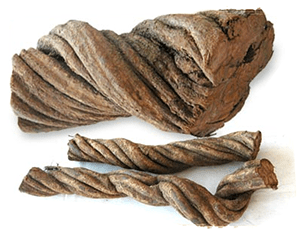

Ayahuasca [ah-yuh-wah-skuh] is any of various psychoactive infusions or decoctions prepared from the Banisteriopsis spp. vine, usually mixed with the leaves of dimethyltryptamine (DMT)-containing species of shrubs.
The brew, first described academically in the early 1950s by Harvard ethnobotanist Richard Evans Schultes, who found it employed for divinatory and healing purposes by Amerindians of Amazonian Colombia, is known by a number of different names.

Namahage is a Japanese ritual which is observed throughout Oga Peninsula, Akita Prefecture in northern Honshu, Japan. On New Year’s Eve, a group of young men dressed up as fierce demons or bogeymen, Namahage, visit each house in the village, shouting, ‘any misbehaving kids live here?’ They then scare children in the houses, telling them not to be lazy or cry, though little children often do burst into tears. Then the parents will assure the Namahage that there is no bad child in their house, and give food or traditional Japanese alcoholic beverages to the demons.

The English language makes a distinction between blue and green, but some languages do not. Of these, quite a number do not distinguish blue from black either. In languages that do not have separate terms for blue and green, one word applies to both (when the issue is discussed in linguistics, this cover term is sometimes called grue or bleen in English).


 The Daily Omnivore