March 2, 2011


ASCII art is a graphic design technique that uses computers for presentation and consists of pictures pieced together from the 95 printable (from a total of 128) characters of the ASCII compliant character sets. The term is also loosely used to refer to text based art in general. ASCII art can be created with any text editor, and is often used with free-form languages. Most examples of ASCII art require a fixed-width font (non-proportional fonts, as on a traditional typewriter) such as Courier for presentation.
Among the oldest known examples of ASCII art are the creations by computer-art pioneer Kenneth Knowlton from around 1966, who was working for Bell Labs at the time. One of the main reasons ASCII art was born was because early printers often lacked graphics ability and thus characters were used in place of graphic marks. Also, to mark divisions between different print jobs from different users, bulk printers often used ASCII art to print large banners, making the division easier to spot so that the results could be more easily separated by a computer operator or clerk. ASCII art was also used in early e-mail when images could not be embedded.
Posted in Art, Language, Technology |
Leave a Comment »
March 2, 2011

Superjail! is an American animated television series produced by Augenblick Studios. The series follows the events that take place in an unusual prison. The pilot episode aired on television in 2007. Superjail! is characterized by its psychedelic shifts in setting and plot and extreme graphic violence, which give the series a TV-MA rating. These elements are depicted through highly elaborate animated sequences, which have been described as ‘baroque and complicated and hard to take in at a single viewing.’
The majority of Superjail! is set inside the eponymous prison. Externally, Superjail is built inside a volcano which is itself located in a larger volcano. Internally, it seems to constitute its own reality, where the fabric of time and space is extremely fluid and changes at the whim of the Warden. Each episode begins with a linear story revolving around an irresponsible scheme concocted by the Warden to satisfy some whim. The episode builds up in both violence and surrealism until a climactic, psychedelic blood bath during which dozens of inmates are brutally murdered, either by one another or some external force.
Posted in Art, Humor |
Leave a Comment »
March 2, 2011
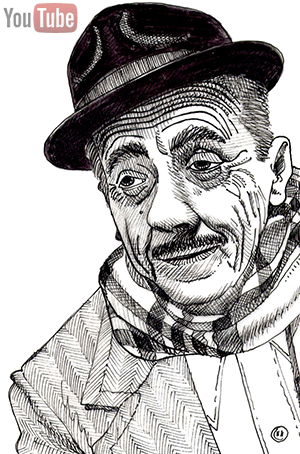
Adoniran Barbosa (1910 – 1982) was a famous Brazilian traditional samba singer and composer. The themes of his songs are drawn from the life of low-wage urban workers, the unemployed and the vagabonds. His first big hit was Saudosa Maloca (‘Shanty of Fond Memories,’ 1951), where three homeless friends recall with nostalgia their improvised shanty, which was torn down by the landowner to make room for a building. His next hit ‘Joga a Chave’ (‘Throw me the Doorkey,’ 1952) was inspired by his own frequent experiences of arriving late at home and finding the door locked by his wife, Matilde.
In his ‘Trem das Onze’ (‘The 11 PM Train,’ 1964), the protagonist explains to his lover that he cannot stay any longer because he has to catch the last train to the Jaçanã suburb, and besides his mother will not sleep before he arrives. Unlike the samba songs of the previous decades, which generally used the formal Portuguese of the educated class, Adoniran’s lyrics are a realistic record of the informal speech of São Paulo’s lower classes. He once said ‘I only write samba for the common people. That is why I write lyrics in ‘wrong’ Portuguese, because that is how the common people speak.’
Posted in Art, World |
Leave a Comment »
March 2, 2011

Al Jazeera (literally, ‘The Island,’ referring to the Arabian Peninsula) is an international news network headquartered in Doha, Qatar. Initially launched as an Arabic news and current affairs satellite TV channel with the same name, Al Jazeera has since expanded into a network with several outlets, including the Internet and specialty TV channels in multiple languages. The original Al Jazeera channel’s willingness to broadcast dissenting views, for example on call-in shows, created controversies in the Arab states of the Persian Gulf. The station gained worldwide attention following the September 11, 2001 attacks, when it was the only channel to cover the war in Afghanistan live from its office there.
The original Al Jazeera channel was started in 1996 by an emiri decree with a loan of 500 million Qatari riyals (US$137 million) from the Emir of Qatar, Sheikh Hamad bin Khalifa. By its funding through loans or grants rather than direct government subsidies, the channel claims to maintain independent editorial policy. Much of the staff came from the BBC World Service’s Saudi-co-owned Arabic language TV station, which had shut down after two years of operation because of censorship demands by the Saudi Arabian government.
Posted in Language, Money, Politics |
Leave a Comment »
March 2, 2011

Eliot Lipp is a Los Angeles based electronic music artist. He made a name for himself in the genre of electro when his work was picked up by Scott Herren of Prefuse 73 (Warp Records). His most recent project is a collaboration with Leonardo Ciccone (also known as Leo 123) called ‘Dark Party.’
Posted in Art, Technology |
Leave a Comment »
March 2, 2011
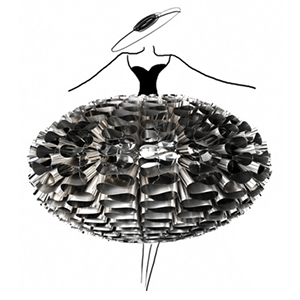
Haute couture [oht koo-toor] (French for ‘high sewing’ or ‘high dressmaking’) refers to the creation of exclusive custom-fitted clothing. Haute couture is made to order for a specific customer, and it is usually made from high-quality, expensive fabric and sewn with extreme attention to detail and finished by the most experienced and capable seamstresses, often using time-consuming, hand-executed techniques.
Continue reading →
Posted in Art, Money |
Leave a Comment »
March 2, 2011

Bernard Arnault (b. 1949) is a French businessman. He is the founder, chairman, and CEO of LVMH, a large luxury goods conglomerate consisting of over fifty luxury brands, including Louis Vuitton, Dior, and Fendi. According to Forbes Magazine, Arnault is the world’s 7th and Continental Europe’s richest person, with a 2010 net worth of $US27.5 billion.
Posted in Money |
Leave a Comment »
March 2, 2011
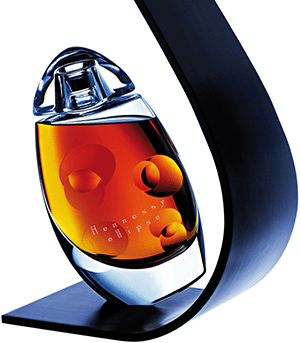

LVMH (Moët Hennessy • Louis Vuitton) is a French holding company and the world’s largest luxury goods conglomerate. It is the parent of around 60 sub-companies that each manage a small number of prestigious brands including Dom Pérignon, Belvedere Vodka, Marc Jacobs, and TAG Heuer. These daughter companies are, to a large extent, run autonomously. The group was formed after mergers brought together champagne producer Moët et Chandon and Hennessy, a leading manufacturer of cognac. In 1987, they merged with fashion house Louis Vuitton to form the current group.
Christian Dior, the luxury goods group, is the main holding company of LVMH, owning 42.38% of its shares, and 59.3% of its voting rights. Bernard Arnault, majority shareholder of Dior, is Chairman of both companies and CEO of LVMH. His successful integration of various famous aspirational brands into the group has inspired other luxury companies into doing the same. Thus Gucci (now part of the French conglomerate PPR) and Richemont have also created extended portfolios of luxury brands. The oldest of the LVMH brands is wine producer Château d’Yquem, which dates its origins back to 1593.
Posted in Art, Food, Money |
Leave a Comment »
March 2, 2011
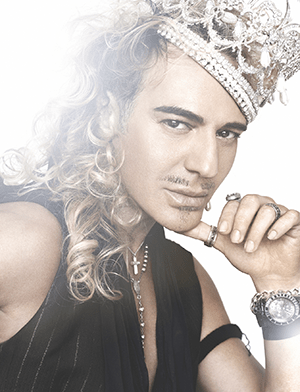
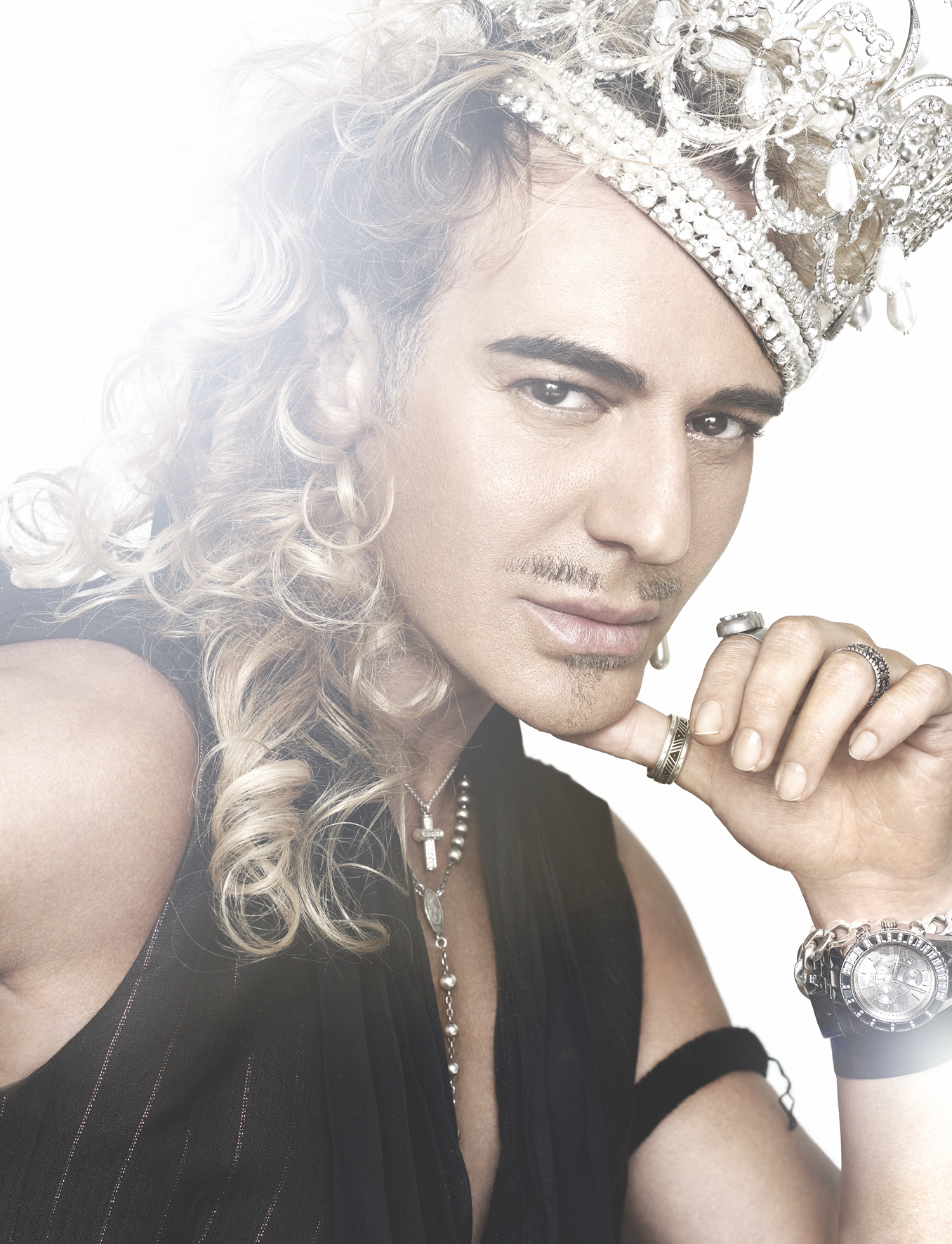
John Galliano (b. 1960) is a British fashion designer who was head designer of French haute couture houses Givenchy and Christian Dior. He led Dior from 1996 to 2011, when he was abruptly dismissed following his arrest over an alleged anti-Semitic tirade in a Paris bar.
The same day, a video surfaced of Galliano on a similar rant in the same bar the previous December. He was convicted of making ‘public insults based on origin, religious affiliation, race or ethnicity,’ and fined €6,000.
Continue reading →
Posted in Art, Money, Politics |
1 Comment »
March 2, 2011
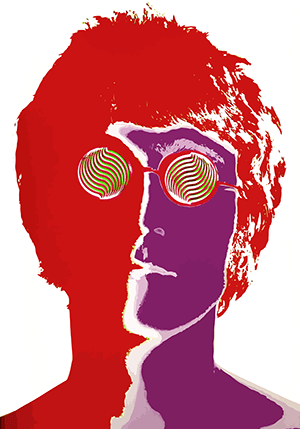
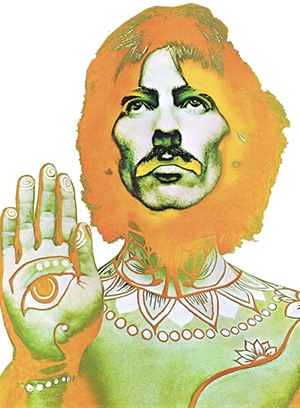
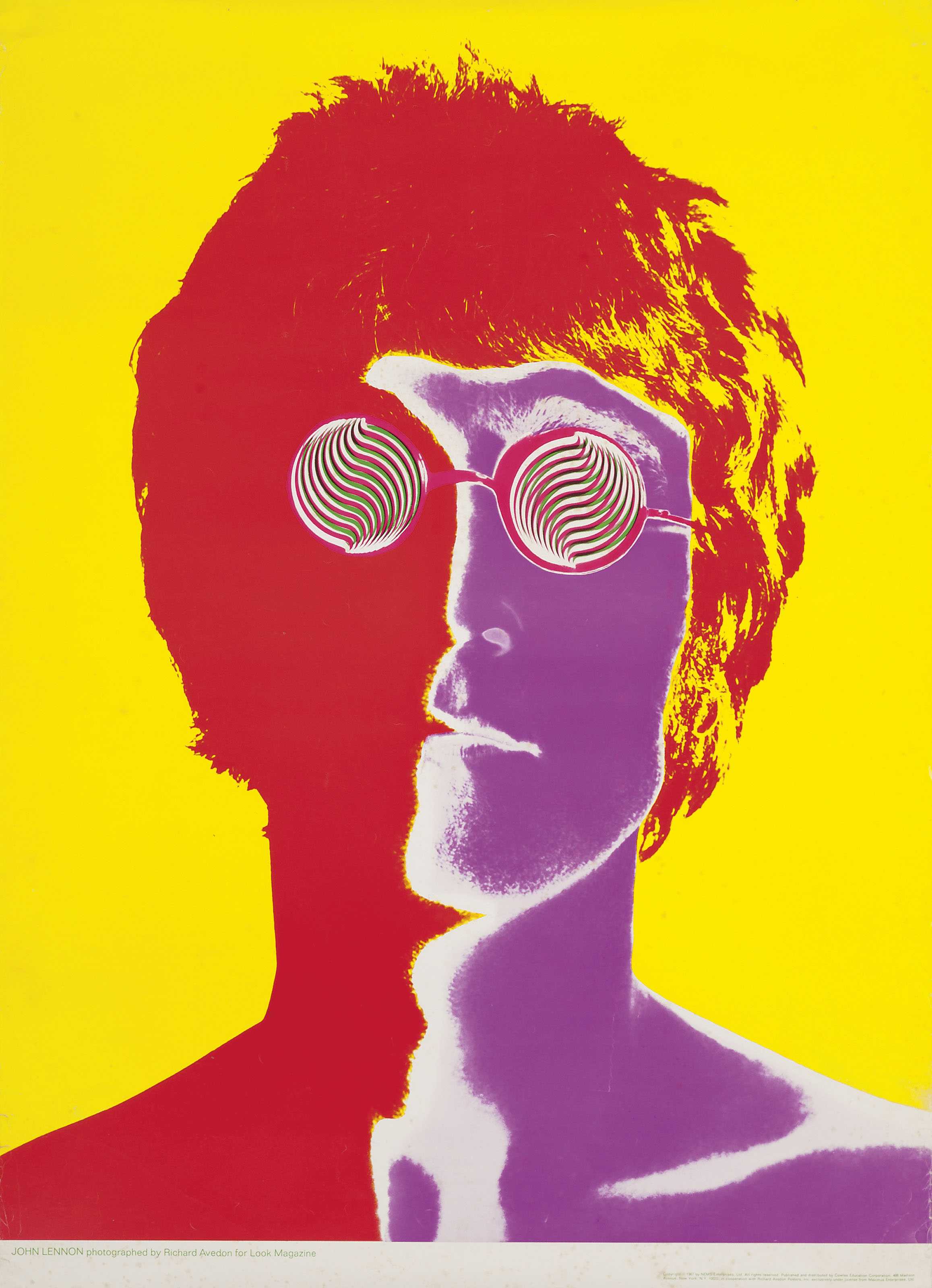
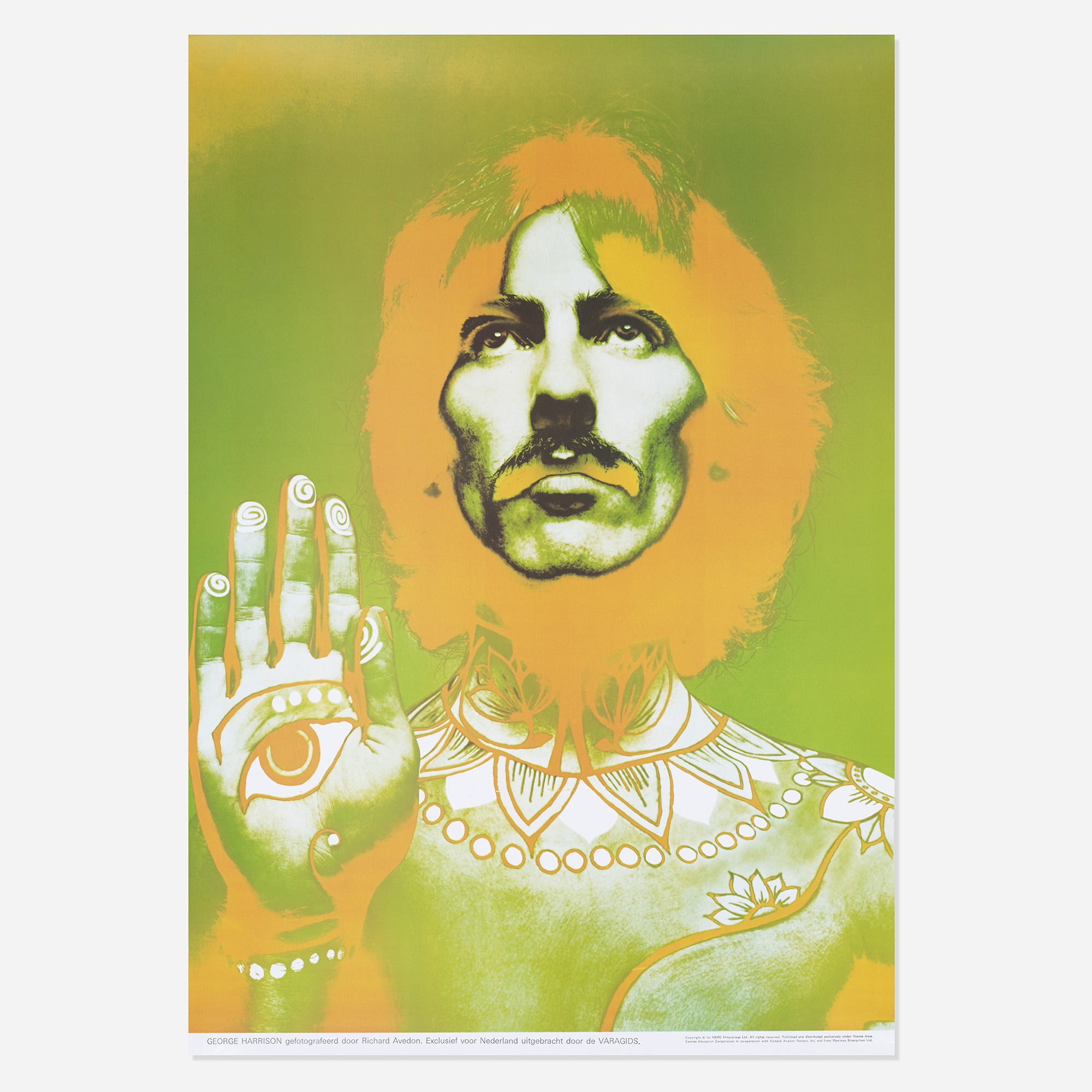
Richard Avedon [av-i-don] (1923 – 2004) was an American photographer born in New York City to a Jewish-Russian family. In 1946, Avedon had set up his own studio and began providing images for magazines including Vogue and Life. He soon became the chief photographer for Harper’s Bazaar.
Avedon did not conform to the standard technique of taking fashion photographs, where models stood emotionless and seemingly indifferent to the camera. Instead, he showed models full of emotion, smiling, laughing, and, many times, in action.
Continue reading →
Posted in Art |
Leave a Comment »
March 2, 2011

Rendezvous with Rama is a novel by Arthur C. Clarke first published in 1972. Set in the 22nd century, the story involves a fifty-kilometre-long cylindrical alien starship that enters Earth’s solar system. The story is told from the point of view of a group of human explorers, who intercept the ship in an attempt to unlock its mysteries. It is considered a science fiction classic, and is particularly seen as a key hard science fiction text.
The ‘Rama’ of the title is the alien star ship, initially mistaken for an asteroid and named after the king Rama who is considered to be the seventh avatar of the Hindu god Vishnu (Clarke mentions that by the 22nd century, scientists have used the names of all the Greek and Roman mythological figures to name astronomical bodies, and have thus moved on to Hindu mythology).
Posted in Art, Language, Technology |
Leave a Comment »
March 2, 2011

The Magic Roundabout in Swindon, England was constructed in 1972 and consists of five mini-roundabouts arranged in a circle. Its name comes from the popular children’s television series The Magic Roundabout (a children’s television program created in France in 1963). Traffic flow around the smaller, inner roundabout is anti-clockwise, and traffic flows in the usual clockwise manner around the five mini-roundabouts and the outer loop. Local and regular users are proficient at traversing the complex junction, which offers multiple paths between feeder roads. Virtually the same overall configuration has been in place for over 30 years.
In 2005, it was voted the worst roundabout in a survey by a UK insurance company. However the roundabout provides a better throughput of traffic than other designs and has an excellent safety record, since traffic moves too slowly to do serious damage in the event of a collision.
Posted in Technology, World |
Leave a Comment »