January 20, 2011

Mowgli syndrome is a term used by Wendy Doniger O’Flaherty in her 1995 book ‘Other Peoples’ Myths: The Cave of Echoes’ to describe mythological figures who succeed in bridging the animal and human worlds to become one with nature, a human animal, only to become trapped between the two worlds, not completely animal yet not entirely human.
It is also a rarely-used descriptive term for so-called feral children. The term originates from the character Mowgli, a fictional feral child from Rudyard Kipling’s ‘The Jungle Book.’
Posted in Art, Health, Language |
Leave a Comment »
January 10, 2011
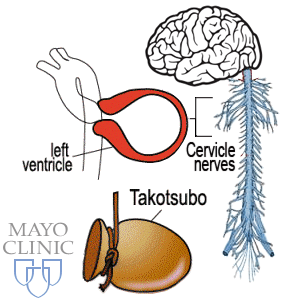
Takotsubo cardiomyopathy, is a sudden temporary weakening of the myocardium (the muscle of the heart). Because this weakening can be triggered by emotional stress, such as the death of a loved one, the condition is also known as broken heart syndrome. A tako tsubo is a jar-shaped, Japanese octopus trap that bears a resemblance to a heart experiencing Takotsubo cardiomyopathy: a bulging left ventricular apex and a preserved base of the left ventricle. The cause of the syndrome is not entirely understood, and is currently thought to involve high circulating levels of catecholamines (fight-or-flight hormones like adrenaline).
Evaluation of individuals with takotsubo cardiomyopathy typically includes a coronary angiogram, which will not reveal any significant blockages that would cause the left ventricular dysfunction. Provided that the individual survives their initial presentation, the left ventricular function improves within two months. Takotsubo cardiomyopathy is more commonly seen in post-menopausal women, and those with a history of a recent severe emotional or physical stress. A 2008 study by life insurance companies indicated that in the year following a loved one’s death, women were more than twice as likely to die than normal, and men more than six times as likely.
Posted in Death, Health |
Leave a Comment »
December 13, 2010
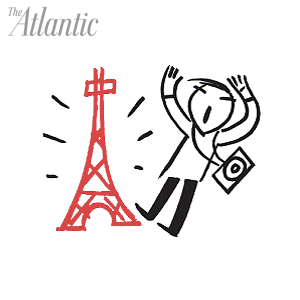
Paris syndrome is a transient psychological disorder encountered by some people visiting or vacationing in Paris. It is characterized by acute delusional states, hallucinations, feelings of persecution (delusions of being a victim of prejudice, aggression, or hostility from others), derealization, depersonalization, anxiety, and also psychosomatic manifestations such as dizziness, tachycardia, sweating, etc. Japanese visitors are observed to be especially susceptible, and around twenty Japanese tourists a year are affected. It was first noted in Nervure, the French journal of psychiatry in 2004.
Posted in Health, Science, World |
Leave a Comment »
December 13, 2010

The Jerusalem syndrome is a group of mental phenomena involving the presence of either religiously themed obsessive ideas, delusions or other psychosis-like experiences that are triggered by a visit to the city of Jerusalem. It is not endemic to one single religion or denomination and has affected Jews, Christians and Muslims of many different backgrounds.
The best known, although not the most prevalent, manifestation of the Jerusalem syndrome is the phenomenon whereby a person who seems previously balanced and devoid of any signs of psychopathology becomes psychotic after arriving in Jerusalem. The psychosis is characterised by an intense religious theme and typically resolves to full recovery after a few weeks or after being removed from the area.
read more »
Posted in Health, Philosophy, Science |
Leave a Comment »
December 13, 2010
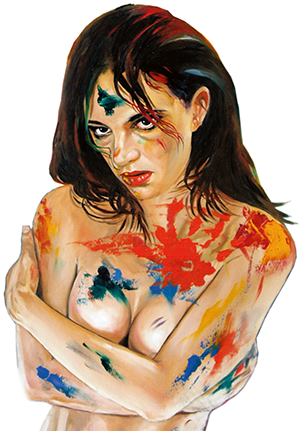
Stendhal [sten-dahl] syndrome (also known as hyperkulturemia and Florence syndrome) is a psychosomatic illness that causes rapid heartbeat, dizziness, fainting, confusion and even hallucinations when an individual is exposed to art, usually when the art is particularly beautiful or a large amount of art is in a single place. The term can also be used to describe a similar reaction to a surfeit of choice in other circumstances, e.g. when confronted with immense beauty in the natural world.
The condition is named after the famous 19th century French author Stendhal (Henri-Marie Beyle), who described his experience with the phenomenon during his 1817 visit to Florence, Italy. Although there are many descriptions of people becoming dizzy and fainting while taking in Florentine art, especially at the Uffizi, dating from the early 19th century on, the syndrome was only named in 1979, when it was described by Italian psychiatrist Graziella Magherini, who observed and described more than 100 similar cases among tourists and visitors in Florence.
Posted in Art, Health, Science |
Leave a Comment »
November 17, 2010

Missing white woman syndrome (MWWS) or missing pretty girl syndrome is a vernacular term for the alleged disproportionately greater degree of coverage in television, radio, newspaper and magazine reporting of a misfortune, most often a missing person case, involving a young, attractive, white, middle-class (or above) woman, compared with cases concerning a missing male, or missing females of other ethnicities or economic classes. Notable cases: Chandra Levy, Elizabeth Smart, Laci Peterson, and Natalee Holloway.
Posted in Politics |
Leave a Comment »
November 10, 2010

The term ‘Fucking New Guy‘ (FNG) is a derogatory term for new recruits, made popular by US troops in the Vietnam war. Every unit had an FNG, and the term was used across all unit types, from front line combat through to support and medical units. The term was not gender specific; female personnel could be FNGs as well.
FNGs were an important part of the group dynamic of US units in Vietnam and their treatment had at its core an overall sense of ‘us’ (those with experience of the war) and ‘them’ (those who were back in the United States). As one soldier said, FNGs were ‘still shitting stateside chow.’ It was in combat units that the FNG was truly ignored and hated by his colleagues. An FNG in a combat unit was ‘treated as a non-person, a pariah to be shunned and scorned, almost vilified, until he passed that magic, unseen line to respectability.’
read more »
Posted in Humor, Language, War |
Leave a Comment »
September 2, 2010
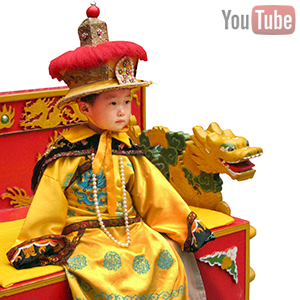
‘Little Emperors‘ is a name that refers to only children in the People’s Republic of China after the one-child policy was implemented. Attributed most frequently to increased spending power within the family unit and the parents’ desire for their child to experience the benefits they were denied, the syndrome results from the children’s sole command of the attention of their parents and grandparents. The Little Emperor effect is primarily an urban phenomenon. The one-child policy is not as rigorously enforced in the countryside as in the urban communities.
Posted in Politics, World |
1 Comment »


 The Daily Omnivore