August 24, 2010

Black drink was the name given by colonists to a ritual beverage called Asi, brewed by Native Americans in the Southeastern United States. It was prepared from the roasted leaves and stems of the Yaupon Holly, native to the Atlantic and Gulf Coasts. The active ingredient in the drink was caffeine. The beverage was often used as a substitute for coffee and tea by colonists under the name cassine or cassina.
Prior to the 19th century, the black drink was consumed during the daily deliberations of the village councils and at all other important council meetings. Caddo, Creeks, Cherokees, Choctaws, and others believed it purified the drinker and purged him of anger and falsehoods. Black drink was prepared by special village officials and served in large communal cups, frequently made of whelk shell. The men in council were served in order of precedence, starting with important visitors. They consumed large quantities at a sitting. Afterward, they purged themselves by vomiting.
Posted in Drugs, Food, World |
Leave a Comment »
August 24, 2010
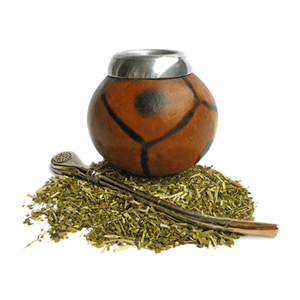
Mate [mah-tey], also known as chimarrão or cimarrón, is a traditional South American infused drink particularly popular in Argentina. It is prepared by steeping dried leaves of the yerba mate plant in hot water. Mate is served with a metal straw, called a bombilla, from a hollow calabash gourd, called a mate.
As with other brewed herbs, yerba mate leaves are dried, chopped, and ground into a powdery mixture called yerba. The bombilla acts as both a straw and a sieve. The submerged end is flared, with small holes or slots that allow the brewed liquid in, but block the chunky matter that makes up much of the mixture.
read more »
Posted in Drugs, Food, World |
Leave a Comment »
August 9, 2010
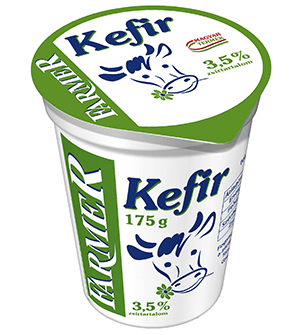
Kefir [kuh-feer] is a fermented milk drink that originated with shepherds of the Caucasus region, who discovered that fresh milk carried in leather pouches would occasionally ferment into an effervescent beverage.
It is prepared by inoculating cow, goat, or sheep’s milk with kefir grains (a combination of bacteria and yeasts in a matrix of proteins, lipids, and sugars). Traditional kefir was made in skin bags that were hung near a doorway; the bag would be knocked by anyone passing through the doorway to help keep the milk and kefir grains well mixed. Dairy-free alternatives are available, such as coconut milk kefir and soy milk kefir.
Posted in Food, World |
Leave a Comment »
August 1, 2010
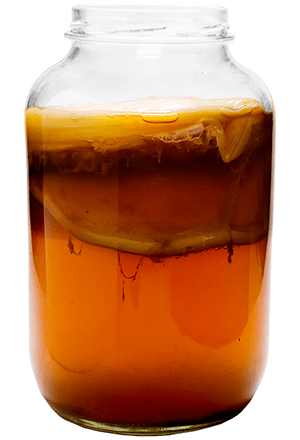
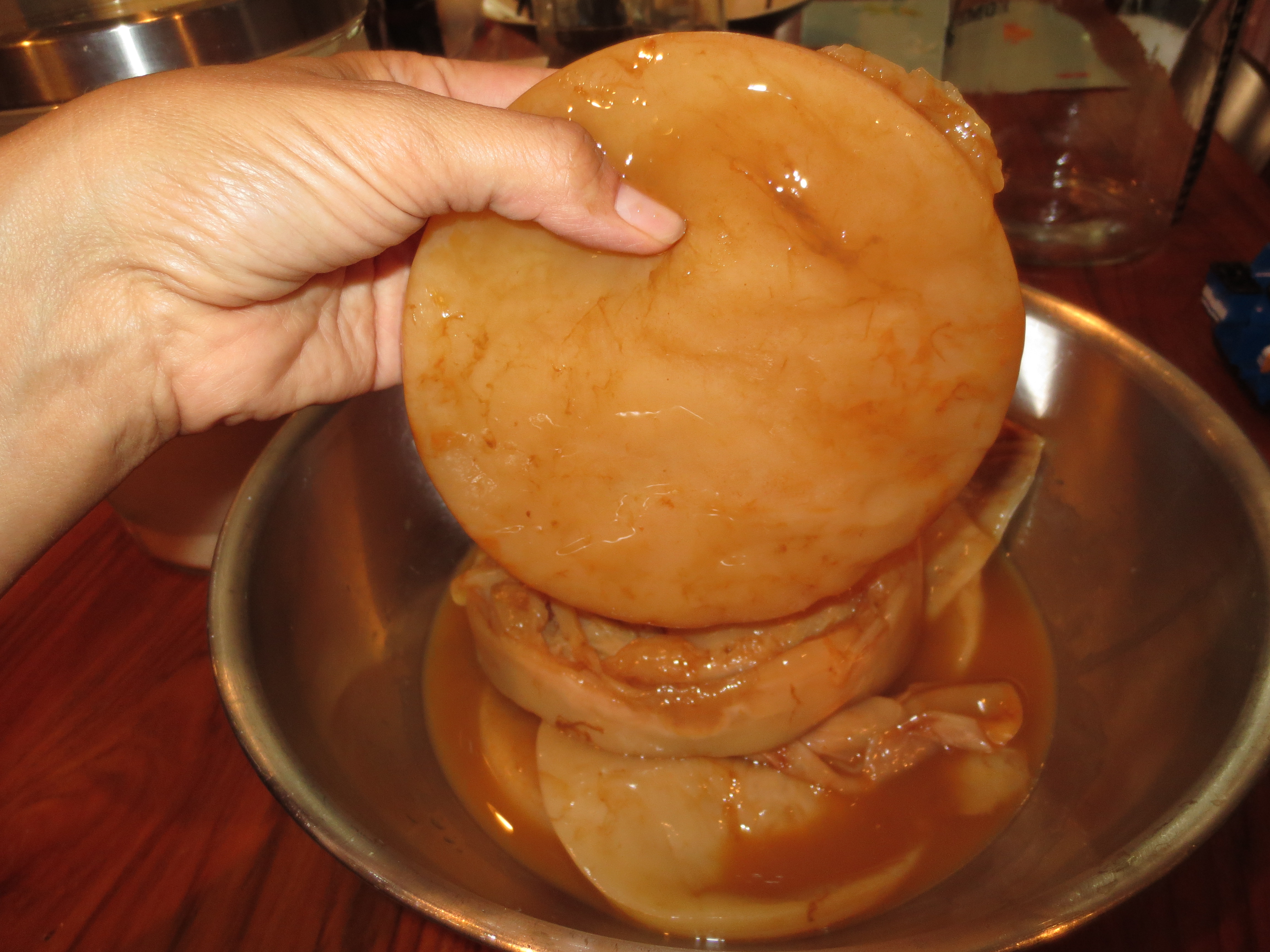
Kombucha [kawm-boo-chah] is a fermented tea that is often drunk for medicinal purposes. There is limited scientific information supporting any health benefit and few studies are being conducted. Kombucha is available commercially and can be made at home by fermenting tea using a visible, solid mass of yeast and bacteria which forms the kombucha culture which is often referred to as the ‘mushroom’ or the ‘mother.’
The recorded history of kombucha began in Russia during the late 19th century. In Chinese, kombucha is called hongchajun (red tea fungus). In Japanese, the drink is known as kōcha kinoko (black tea mushroom). Some promotional kombucha sources propagate the legend that this tea-based beverage originated in ancient China or Japan centuries prior to knowledge of leaf-based teas. There is little historical evidence to support this claim.
Posted in Food, Health |
Leave a Comment »
July 22, 2010
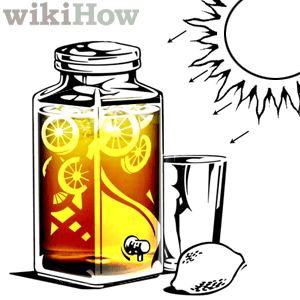
Unsweetened iced tea is sometimes made by a particularly long steeping of tea leaves at lower temperature (one hour in the sun versus 5 minutes at 80-100°C). Some people call this ‘sun tea.’
In addition, sometimes it is also left to stand overnight in the refrigerator. Sun tea is easy to make, but can be toxic if not made carefully. If there are ropy-looking strands in the tea, or any other unusual-looking particles, or if the tea looks thick or syrupy chances are it has become a bacterial hotbed. A very clean container (including the spigot if there is one) and a caffeinated tea will deter bacterial growth for a few hours. Sun tea should be discarded after that period.
Posted in Food |
Leave a Comment »
July 11, 2010

Baijiu is a Chinese liquor made from distilled sorghum, a tropical grass, or other grains. The name baijiu literally means ‘white liquor’ or ‘white spirit,’ and it is generally about 80 to 120 proof, or 40-60% alcohol by volume (ABV). Because of its clarity, baijiu can appear similar to several other liquors, but generally has a significantly higher ABV than, for example, vodka (35-50%), Japanese shōchū (25%), or Korean soju (20-45%), and its flavour is distinctive and unique. In 2008 baijiu was the world’s most consumed spirit, with annual sales of 520 million 9-liter cases compared to vodka with 497 million 9-liter cases.
Wuliangye is the most popular brand, followed by Maotai.
Posted in Drugs, Food, World |
Leave a Comment »


 The Daily Omnivore