February 6, 2011

The Liberty Dollar (ALD) was a private currency produced in the United States from 1998 – 2009. The currency was available in coins, gold and silver certificates, and as an electronic currency (eLD). ALD certificates are warehouse receipts for real gold and silver formerly owned by ALD certificate holders. The metal was warehoused at Sunshine Minting in Coeur d’Alene, Idaho prior to a November 2007 raid by the Federal Bureau of Investigation (FBI) and the Secret Service.
Until July 2009, the Liberty Dollar was distributed by Liberty Services (formerly known as NORFED), based in Evansville, Indiana. It was created by Bernard von NotHaus, the co-founder of the Royal Hawaiian Mint Company. In May 2009, von NotHaus and others were charged with federal crimes in connection with the Liberty Dollar and, on July 31, 2009, von NotHaus announced that he had closed the Liberty Dollar operation, pending resolution of the criminal charges.
Posted in Money, Politics |
Leave a Comment »
January 19, 2011

Leprosy colony money was special money which circulated only in leprosy sanatoriums due to the fear that the leprosy bacteria would infect other people. Leprosy, however, is in fact not easily transmitted by casual contact, and such transmission as there is only happens through long term, constant and intimate contact with leprosy sufferers and not contact with everyday objects used by sufferers. The system of special colony money was used between 1901 and around 1955.
Posted in Health, Money |
Leave a Comment »
November 19, 2010

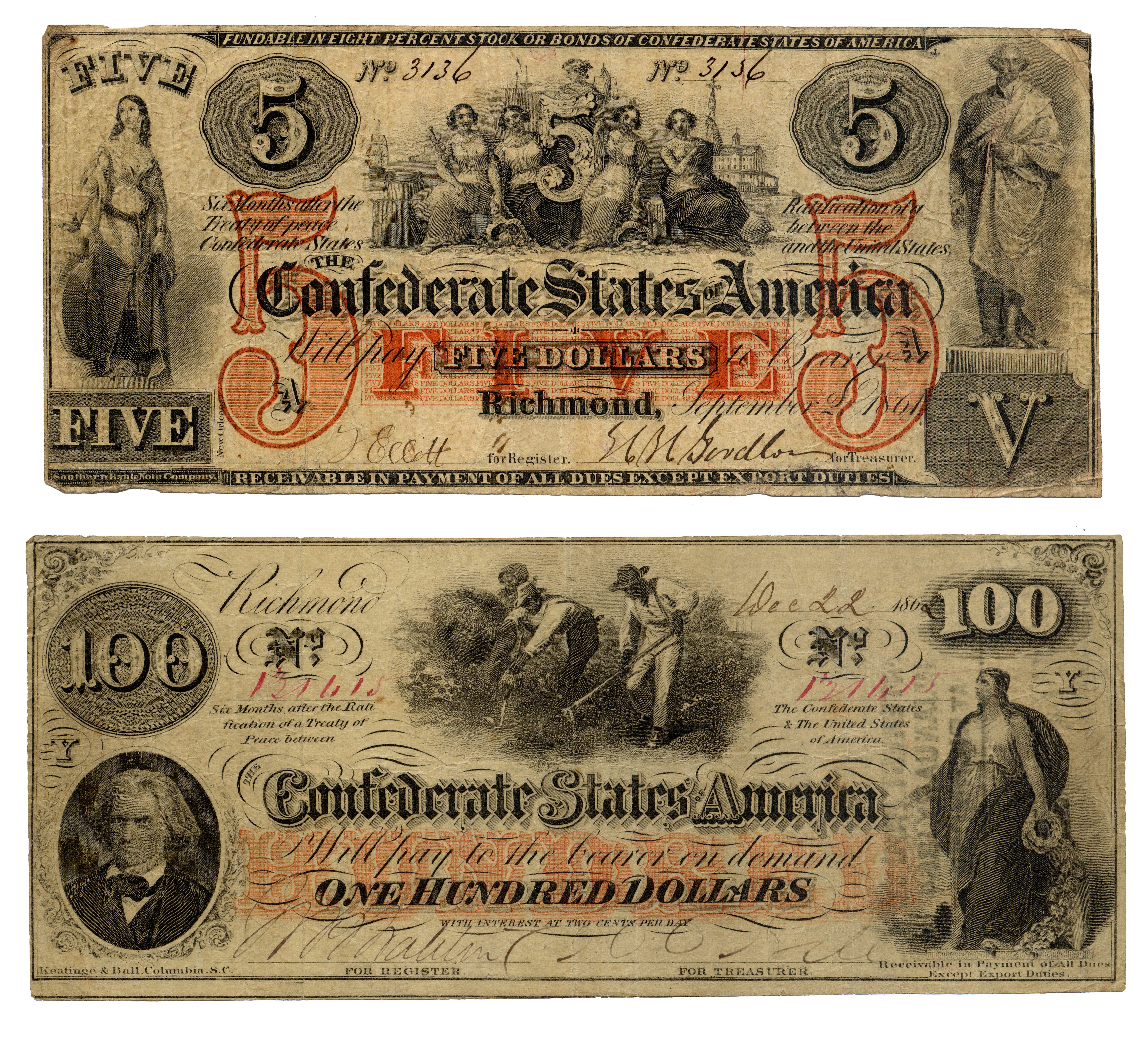
The Confederate States of America dollar was first issued into circulation in April 1861, when the Confederacy was only two months old, and on the eve of the outbreak of the Civil War. At first, Confederate currency was accepted throughout the South as a medium of exchange with high purchasing power. As the war progressed, however, confidence in the ultimate success waned, the amount of paper money increased, and their dates of redemption were extended further into the future.
The inevitable result was depreciation of the currency, and soaring prices characteristic of inflation. For example, by the end of the war, a cake of soap could sell for as much as $50 and an ordinary suit of clothes was $2,700. Near the end of the war, the currency became practically worthless as a medium of exchange. When the Confederacy ceased to exist as a political entity at the end of the war, the money lost all value as fiat currency.
Posted in Money, Politics, War |
3 Comments »
October 20, 2010

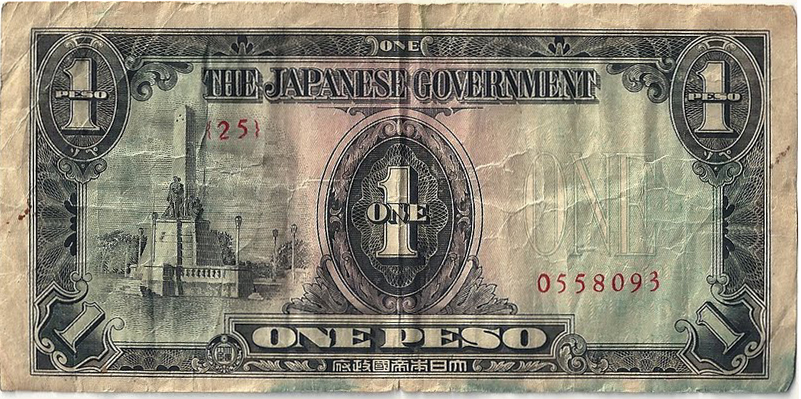
During World War II in the Philippines, the occupying Japanese government issued fiat currency in several denominations; this is known as the Japanese government-issued Philippine fiat peso, or simply the Japanese peso. The Japanese-sponsored Second Philippine Republic under Jose P. Laurel outlawed possession of guerilla currency, and declared a monopoly on the issuance of money, so that anyone found to possess guerrilla notes could be arrested.
The Filipinos called the fiat peso ‘Mickey Mouse money,’ because it was similar to play money and next to worthless. Many survivors of the war tell stories of going to the market laden with suitcases or ‘bayong’ (native bags made of woven coconut or buri leaf strips) overflowing with the Japanese-issued bills. In 1944, a box of matches cost more than 100 Mickey Mouse pesos.
Posted in Money, Politics, War |
Leave a Comment »
October 18, 2010
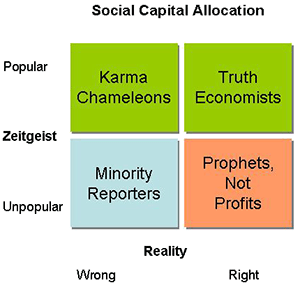
Whuffie is the ephemeral, reputation-based currency of Cory Doctorow’s science fiction novel, ‘Down and Out in the Magic Kingdom.’ This book describes a post-scarcity economy: All the necessities (and most of the luxuries) of life are free for the taking. A person’s current Whuffie is instantly viewable to anyone, as everybody has a brain-implant giving them an interface with the Net. The term has since seen some adoption as a synonym for social capital.
In the novel usual economic incentives have disappeared: Whuffie has replaced money, providing a motivation for people to do useful and creative things. A person’s Whuffie is a general measurement of his or her overall reputation and is gained (or lost) according to a person’s favorable (or unfavorable) actions. Public opinion determines which actions are favorable or unfavorable. Rudely pushing past someone on the sidewalk will cause a loss of points from the person pushed (and possibly from bystanders who witness the incident), while composing a much-loved symphony will earn the composer Whuffie from everyone who enjoyed it.
Posted in Money, Philosophy, Technology |
Leave a Comment »
July 20, 2010
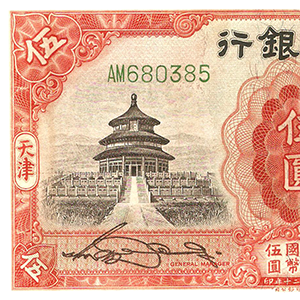
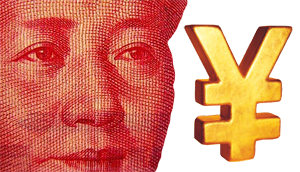
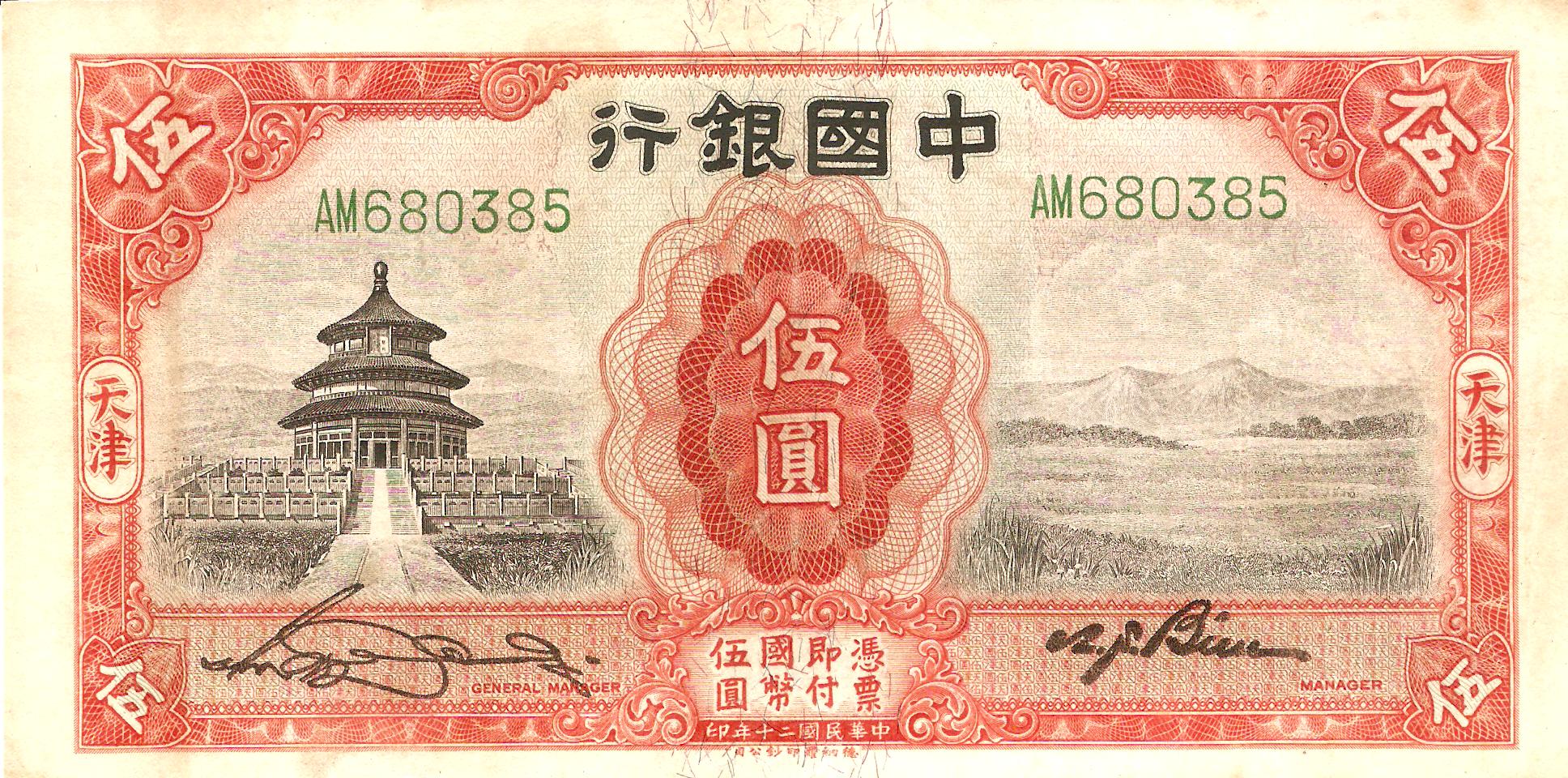
The Renminbi [ren-min-bee] is the official currency of China whose principal unit is the Yuan. The currency is legal tender in mainland China, but not in Hong Kong and Macau. Renminbi translates as people’s currency. A yuán is also known colloquially as a kuài. One yuán is divided into 10 jiao. One jiao is divided into 10 fēn.
Posted in Money, World |
Leave a Comment »



 The Daily Omnivore