May 20, 2011

An adult prom is a social event that is almost perfectly similar to a high school prom in terms of themes and attire, except that adult proms usually serve alcohol, and most require those attending to be at least 21 years of age to attend. They have become increasingly common, especially in the United States, and usually are hosted as fundraisers for charities.
A slightly different take on the adult prom is that of the disabilities prom, dedicated to providing a prom experience to disabled adults at no charge to the attendees. These events are most often organized by non-profit organizations focusing on the disabled, or large churches.
Posted in Education, Games, Humor |
Leave a Comment »
May 10, 2011
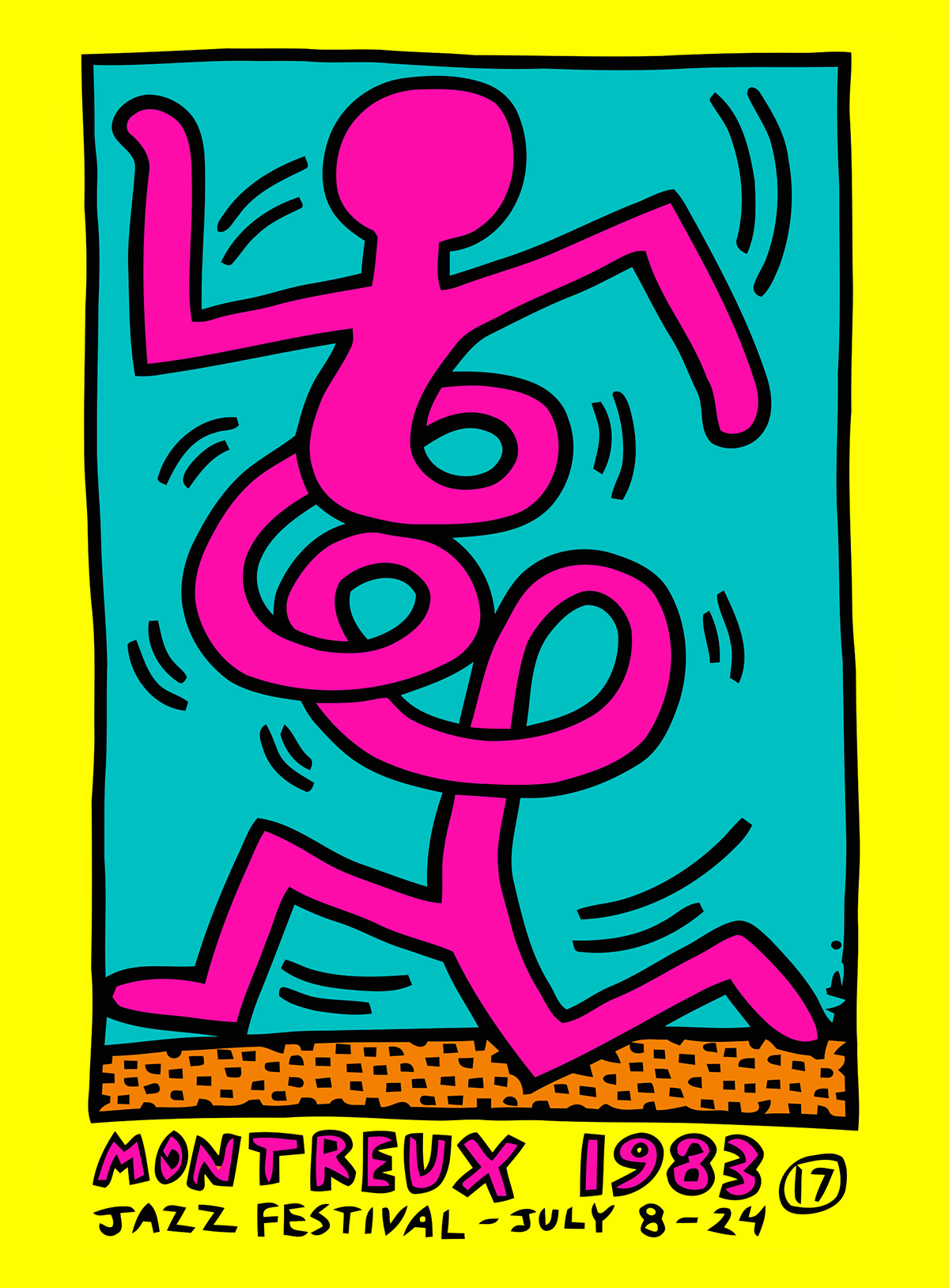
The Montreux Jazz Festival is the best-known music festival in Switzerland and one of the most prestigious in Europe; it is held annually in early July in Montreux on the shores of Lake Geneva. It is the second largest annual music festival in the world after Canada’s Montreal International Jazz Festival. The festival was founded in 1967 by Claude Nobs (who still organizes the event); the first one lasted for three days and featured almost exclusively jazz artists.
The highlights of this era were Keith Jarrett, Jack DeJohnette, Bill Evans, Soft Machine, Weather Report, Nina Simone, Jan Garbarek, and Ella Fitzgerald. Originally a pure jazz festival, it opened up in the 1970s and today presents artists of nearly every imaginable style, though jazz remains an important component. Today’s festival lasts about two weeks and attracts an audience of more than 200,000 people.
read more »
Posted in Art, World |
Leave a Comment »
May 10, 2011


The New Orleans Jazz & Heritage Festival, often known as Jazz Fest, is a celebration of the music and culture of New Orleans and Louisiana held yearly since 1970. Use of the term ‘Jazz Fest’ can also include the days surrounding the Festival and the many shows at unaffiliated New Orleans nightclubs scheduled during the Festival event weekends. The festival celebrates the indigenous music and culture of New Orleans and Louisiana, so the music encompasses every style associated with the city and the state: blues, R&B, gospel, Cajun music, zydeco, Afro-Caribbean, folk, Latin, rock, rap, country, bluegrass and everything in between. And of course there is lots of jazz, both contemporary and traditional.
Jazz Fest is currently held during the day, between the hours of 11am and 7pm at the Fair Grounds Race Course, a horse track, on the last weekend in April (from Friday through Sunday) and the first weekend in May (Thursday through Sunday). The Festival also features a wide variety of vendors with local foods and crafts. The official food policy of the Festival is ‘no carnival food.’ Indeed, there are more than seventy food booths, all with unique food items, including but not limited to: crawfish beignets, cochon de lait (suckling pig) sandwiches, alligator sausage po’ boys, boiled crawfish, softshell crabs, crawfish Monica and many other dishes. All food vendors are locally owned small businesses.
Posted in Art, Food |
1 Comment »
April 26, 2011
The Cardboard Tube Fighting League (CTFL) is a global organization that hosts cardboard tube based events in Seattle, Washington; San Francisco, California; and Sydney, Australia. The CTFL hosts tournaments and battles where cardboard tube fighters go head-to-head in an attempt to break their opponents tube without breaking their own.
The events also focus on cardboard costumes and theatrics. These events are often held at public parks throughout the summer, are open to everyone ages 5 and up, and emphasize fun over competition. Cardboard tubes are provided and all events are free for participants.
Posted in Games, Humor |
Leave a Comment »
April 25, 2011
Shakedown street is the area of a Jam Band (e.g. Phish, Widespread Panic) parking lot where the vending takes place. It is named after the Grateful Dead song of the same name and has been popular since the early 1980s. In the Deadhead community, and other likeminded musical scenes, an interesting tailgating culture evolved. More than just a party for fans, it is a way for the faithful to sell wares which in turn fund their tickets and gas to the next concert in order to spend weeks, months, or even entire tours on the road.
Along with the more traditional fare, there is a large selection of vegetarian food such as egg rolls, burritos, pizza, and falafel. Certain illicit foods like hash brownies and ‘ganja gooballs’ are also often found among the foods in the parking lots. Other products available for the tailgaters include handmade jewellery, bumper stickers, t-shirts, or drug paraphernalia.
Posted in Drugs, Food, Money |
Leave a Comment »
April 25, 2011

Rainbow Gatherings are temporary intentional communities, typically held in outdoor settings, and espousing and practicing ideals of peace, love, harmony, freedom and community, as a consciously expressed alternative to mainstream popular culture, consumerism, capitalism and mass media.
Rainbow Gatherings are an expression of a Utopian impulse, combined with bohemianism, hipster and hippie culture, with roots traceable to the 1960’s counterculture. Mainstream society is commonly referred to and viewed as ‘Babylon,’ connoting the participants’ widely held belief that modern lifestyles and systems of government are unhealthy, unsustainable, exploitative and out of harmony with the natural systems of the planet.
read more »
Posted in Money, Philosophy, Politics |
Leave a Comment »
April 20, 2011
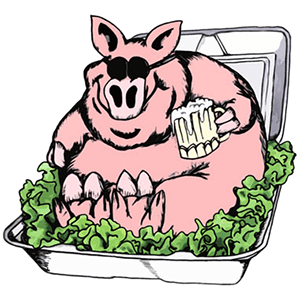
A speakeasy, also called a blind pig or blind tiger, is an establishment that illegally sells alcoholic beverages. Such establishments came into prominence. The term ‘blind pig’ originated in the United States in the 19th century; it was applied to lower-class establishments that sold alcoholic beverages illegally. The operator of an establishment (such as a saloon or bar) would charge customers to see an attraction (such as an animal) and then serve a ‘complimentary’ alcoholic beverage, thus circumventing the law.
The difference between a speakeasy and a blind pig was that a speakeasy was usually a higher-class establishment that offered food and entertainment. In large cities, some speakeasies even required a coat and tie for men, and evening dress for women. But a blind pig was usually a low-class dive where only beer and liquor were offered. Blind pigs continue to exist in the United States. Some people sell alcoholic beverages for off-site consumption from their homes during hours when legal sellers are closed by law, and some people operate bars illegally.
Posted in Drugs, Money, Politics |
Leave a Comment »
April 20, 2011
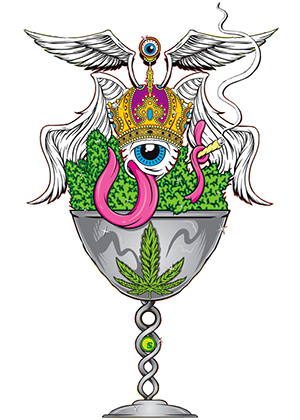
The High Times Cannabis Cup is the world’s preeminent Cannabis festival. Founded in 1987 by Steven Hager, the contest takes place each November in Amsterdam. The event allows judges from around the world to sample and vote for their favorite marijuana strains. These judges-at-large decide the Cannabis Cup (overall winner in the cannabis strain competition), best new product, best booth, best glass, best hash and best Nederhash (a slate-like hash variety). A team of VIP judges decide which seed company has grown the best marijuana.
Recently, High Times created the Medical Cannabis Cup – an event that celebrates the medical marijuana movement in America. The first High Times Medical Cannabis Cup took place in San Francisco in June of 2010. To be a judge one must pay an extra fee, which allows the attendee to vote upon the many different strains. The judge’s pass sells for $199 USD prior to June 1 after which the price increases to $250 USD. A judge’s pass costs 250 euros if purchased at the event. The highest recorded participation was in 2008 with 2,300 judges.
Posted in Drugs, Games, Money |
Leave a Comment »
April 20, 2011

Hash Bash is an annual event held in Ann Arbor, Michigan, on the first Saturday of April at high noon on the University of Michigan Diag (a large open space in the middle of the university’s Central Campus). A collection of speeches, live music, street vending and occasional civil disobedience are centered on the goal of reforming federal, state, and local marijuana laws. The first Hash Bash was held on Saturday, April 1 1972 in response to the March 9th 1972 decision by Michigan Supreme Court declaring unconstitutional the law used to convict cultural activist John Sinclair for possession of two marijuana joints.
Ann Arbor has very lenient laws regarding the possession of marijuana, it is a civil infraction rather than a criminal offense. Even so, the campus of the University of Michigan sits upon state property, and so anyone caught with marijuana on any campus location is subject to the more strict state marijuana laws. In addition, since state law takes precedence over municipal law, many people are prosecuted under state law regardless of where in Ann Arbor they are located.
Posted in Drugs, Humor, Politics |
1 Comment »
April 20, 2011

The Global Marijuana March is an annual rally held at different locations across the planet. It refers to cannabis-related events that occur on the first Saturday in May, and feature marches, rallies, concerts, and festivals. It began in 1999, and around 600 different cities worldwide have signed up since. Local names for the event include J-Day, the Million Marijuana March, World Cannabis Day, and Cannabis Liberation Day.
The Global Marijuana March is a celebration embracing cannabis culture as a personal lifestyle choice. Participants unite to discuss, promote, entertain and educate both consumers and non-consumers alike.
read more »
Posted in Drugs, Politics, World |
Leave a Comment »
March 3, 2011

Seattle Hempfest is an annual event in Seattle, Washington, the world’s largest annual gathering advocating decriminalization of marijuana. Founded in 1991 as the Washington Hemp Expo (attended by 500 people), it has grown into a 2-day annual political rally, concert, and arts and crafts fair with attendance typically over 250,000. Speakers have included Seattle city council member Nick Licata, actor/activist Woody Harrelson, travel writer and TV host Rick Steves, and former chief of the Seattle Police Department Norm Stamper.
Sixty people were cited for illegal marijuana use at the 1997 Hempfest, and about twenty were arrested the following year. Eventually Hempfest and the police reached a modus vivendi: there was only one arrest in 2001. The political context surrounding marijuana in Seattle and Washington has changed considerably over the years. Washington legalized medical marijuana in 1998. In 2003, Seattle passed an initiative that made adult personal use marijuana offenses the city’s lowest law enforcement priority.
Posted in Art, Drugs, Politics |
Leave a Comment »
March 1, 2011
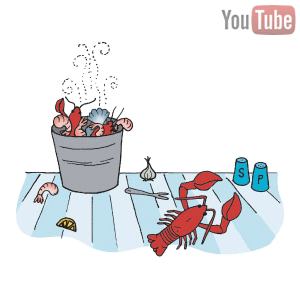
Seafood boil is the generic term for any number of different kinds of social events in which shellfish is the central element. Regional variations dictate the kinds of seafood, the accompaniments and side dishes, and the preparation techniques (boiling, steaming, baking, or raw). In some cases, a boil may be sponsored by a community organization as a fundraiser or a mixer. In this way, they are like a fish fry, barbecue, or church potluck supper.
But boils are also held by individuals for their friends and family for weekend get-togethers and on the summer holidays of Memorial Day and the Fourth of July. There are also companies that can cater a boil for large and small events. While boils and bakes are traditionally associated with coastal regions of the United States, there are notable exceptions. For example, the Fiesta Oyster Bake (San Antonio) began in 1916 as an alumni fund raiser for St. Mary’s University. It is now attended by over 70,000 people during its two day run and is a major music and cultural event in the city.
Posted in Food, Language |
Leave a Comment »




 The Daily Omnivore