September 22, 2011

Michelada [mee-cha-lah-dah] is a cerveza preparada, a Mexican term for beer mixed with tomato juice, hot sauce, or salsa. In English-speaking countries, it would be considered a variety of shandy (a beer mixed with soda, carbonated lemonade, or cider. The Michelada is made with beer, tomato juice (or Clamato), lime juice, and assorted sauces, spices, and peppers. It is served in a chilled, salt-rimmed glass.
In Mexico, Micheladas are considered a good remedy for hangovers.There are different types of variations of Micheladas; for example in Mexico City, the most common form of a Michelada is prepared with beer, lime, salt, and hot sauce/or chili. Some add slices of orange.
read more »
Posted in Food, World |
2 Comments »
July 22, 2011

Nepeta [neh-puh-ta] is a genus of about 250 species of flowering plants in the family Lamiaceae, commonly known as ‘catnip’ because of their attractant effect on cats—the nepetalactone contained in nepeta binds to the olfactory receptors of cats, typically resulting in temporary euphoria. Catmints are also used in herbal medicine for their mild sedative effect on humans.
Nepetalactone is an organic compound, first reported in 1941 after it was isolated by steam distillation of catnip. The compound is also present in the wood of tartarian honeysuckle (Lonicera tatarica), shavings of which are often used in cat toys. Around 80% of cats are affected and susceptibility is gene-linked. The chemical interacts as a vapor at the olfactory epithelium. Nepetalactone has effects on some insects: it repels cockroaches and mosquitoes.
Posted in Drugs, Science, Sex |
1 Comment »
July 12, 2011

Purple drank is a slang term for a recreational drug popular in the hip hop community in the southern United States, originating in Houston, Texas. Its main ingredient is prescription-strength cough syrup containing codeine and promethazine. Cough syrup is typically mixed with ingredients such as Sprite soft drink or Mountain Dew and pieces of Jolly Rancher candy. The purplish hue of purple drank comes from dyes in the cough syrup. Producer DJ Screw popularized the concoction in the 1990s, which is widely attributed as a source of inspiration for the ‘chopped and screwed’ style of hip hop music. However, musician Big Hawk claims it was consumed as early as the 1960s and 1970s.
DJ Screw died of a codeine-promethazine-alcohol overdose in 2000. Purple drank is confirmed or suspected to have caused the deaths of several prominent users. Respiratory depression is a potentially serious or fatal adverse drug reaction associated with the use of codeine, but mainly the danger lies in the much more potent and CNS-depressing phenothiazine-related antihistamine promethazine.
Posted in Drugs, Health, Language |
Leave a Comment »
July 11, 2011
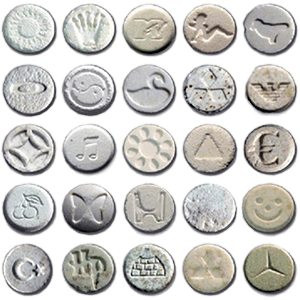
Designer drug is a term used to describe drugs which are created (or marketed, if they had already existed) to get around existing drug laws, usually by modifying the molecular structures of existing drugs to varying degrees, or less commonly by finding drugs with entirely different chemical structures that produce similar subjective effects to illegal recreational drugs.
The term ‘designer drug’ was first coined by law enforcement in the 1980s, and has gained widespread use. However the first appearance of what would now be termed designer drugs occurred well before this, in the 1920s. Following the passage of the second International Opium Convention in 1925 which specifically banned morphine and the diacetyl ester of morphine, heroin, a number of alternative esters of morphine quickly started to be manufactured and sold.
read more »
Posted in Drugs, Health, Politics |
Leave a Comment »
July 11, 2011

Synthetic cannabis is a psychoactive herbal and chemical product which, when consumed mimics the effects of cannabis. It is best known by the brand names K2 and Spice, both of which have largely become genericized trademarks used to refer to any synthetic cannabis product. A type of synthetic cannabis sold in Australasia is known as Kronic.
Professor John W. Huffman who first synthesized many of the cannabinoids used in synthetic cannabis is quoted as saying, ‘People who use it are idiots. You don’t know what it’s going to do to you.’ Heavy Spice users who cut back are known to experience withdrawal symptoms, similar to those associated with withdrawing from the use of narcotics. The lack of an antipsychotic chemical, similar to cannabidiol found in natural cannabis, may make synthetic cannabis more likely to induce psychosis than natural cannabis.
read more »
Posted in Drugs, Health, Politics |
Leave a Comment »
June 22, 2011

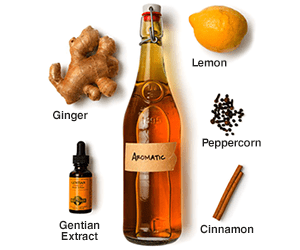
A bitters is an alcoholic beverage that is flavored with herbal essences and has a bitter or bittersweet flavor. There are numerous brands of bitters that were formerly marketed as patent medicines (tonics and elixirs) but are now considered to be digestifs (an after dinner drink intended to aid in digestion), rather than medicines. Bitters are 45% alcohol by volume.
Common ingredients in bitters include cascarilla, cassia, gentian, orange peel, and quinine from Cinchona bark (grown in Peru and Indonesia). The flavor of Angostura bitters, Suze and Peychaud’s Bitters derives primarily from gentian, a bitter herb. Bitters are prepared by infusion or distillation, using aromatic herbs, bark, roots, and/or fruit for their flavor and medicinal properties.
read more »
Posted in Drugs, Food, Health |
Leave a Comment »
June 15, 2011

Kief [keef] (from Arabic, meaning ‘well-being’ or ‘pleasure’) refers to the resin glands (or trichomes) of cannabis which may accumulate in containers or be sifted from loose dry cannabis buds with a mesh kiefing screen or sieve.
Kief contains a much higher concentration of desired psychoactive cannabinoids, such as THC, than other preparations of cannabis buds from which it is derived. Traditionally kief has been pressed and baked into cakes as hashish for convenience in storage and shipping, but can be vaporized or smoked in its powder form.
Posted in Drugs, Language |
Leave a Comment »
June 15, 2011

BC Bud is a generic term for several varieties of potent cannabis grown in the Canadian province of British Columbia. The term has almost become a brand name, especially in California, Oregon, Alaska, Idaho and Washington, to where most of the province’s cannabis is exported.
The United States Drug Enforcement Administration considers BC production to be a major problem, given the porous United States-Canada border, and has launched several major initiatives to cut down on its flow, including collaborative operations targeting marijuana activists such as Marc Emery.
read more »
Posted in Drugs, Money, Politics |
Leave a Comment »
April 29, 2011

A Brompton cocktail is an elixir meant for use as a pain suppressant. Made from morphine (or heroin), cocaine, highly-pure ethyl alcohol (some recipes specify gin), and sometimes with chlorpromazine (Thorazine) to counteract nausea, it was given to terminally-ill individuals (especially cancer patients) to relieve pain and promote sociability near death.
A common formulation included ‘a variable amount of morphine, 10 mg of cocaine, 2.5 mL of 98% ethyl alcohol, 5 mL of syrup BP and a variable amount of chloroform water.’
read more »
Posted in Death, Drugs, Health |
Leave a Comment »
April 20, 2011

Hash oil is an evaporated solution of THC (tetrahydrocannabinol, the principal psychoactive constituent of the cannabis plant) and various other compounds. It is traditionally a dark, viscous liquid made by solvent (e.g. butane, alcohol, acetone) extraction of cannabis resin. Despite the similarity in names, it does not resemble hashish. It can be a very potent medication due to its high THC concentration, which generally varies between 60% and 90%.
Related honey oil is a specific type of hash oil. It can be vaporized off improvised devices; such as a an electric stove element, car cigarette lighter, or pressed between two heated knives (known as blades, spotting or hot knifing). The vapor can then be inhaled through a hollow tube, often an empty pen tube called a hooter.
Posted in Drugs, Science |
Leave a Comment »
April 20, 2011
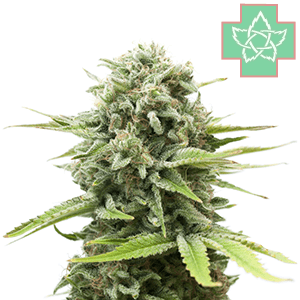
Morning Star is a highly potent strain of cannabis that is distributed in California as part of its medical marijuana program. It is known to have as much as 24% THC content. The amount of THC present in a cannabis sample is generally used as a measure of cannabis potency.
The three main forms of cannabis products are the herb (marijuana), resin (hashish), and oil (hash oil). Marijuana often contains 5% THC content, resin 20%, and cannabis oil may contain more than 60%. The Morning Star strain is available at Leaf Lab located in San Jose, CA.
Posted in Drugs, Health, Science |
Leave a Comment »
April 7, 2011

The Martini is a cocktail made with gin (or vodka) and vermouth. All ingredients are poured into a mixer with ice cubes. The ingredients are mixed then strained and served ‘straight up’ (without ice) in a chilled cocktail glass and garnished with either a green olive or a twist of lemon (a strip of the peel, usually squeezed or twisted to express volatile oils onto the surface of the drink).
Garnishing with a pickled onion instead makes it a Gibson. The dryness of a martini refers to the amount of vermouth used in the drink, with a very dry Martini having little or no Vermouth.
read more »
Posted in Drugs, Food, Language |
Leave a Comment »



 The Daily Omnivore