July 11, 2010

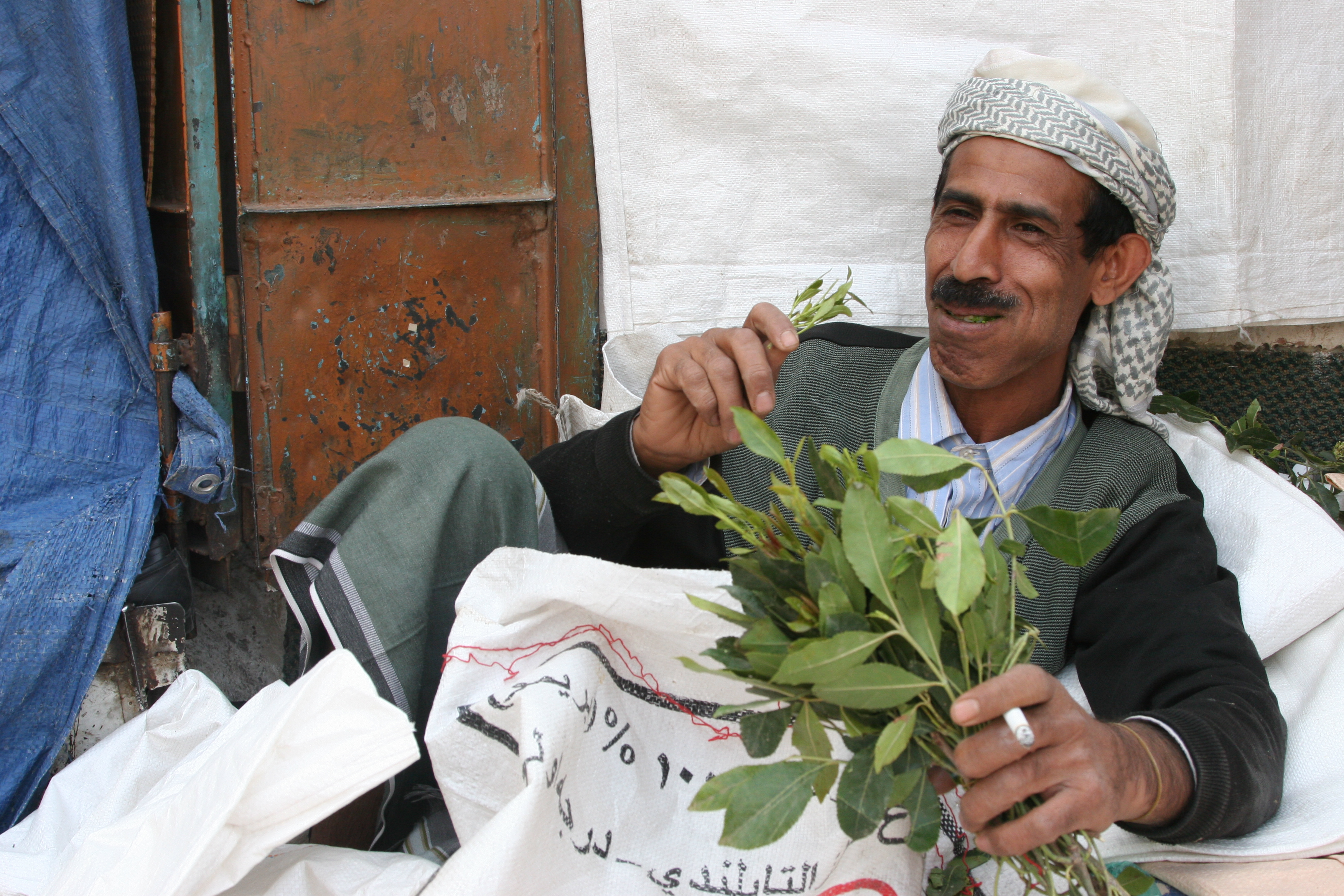
Qat, or khat [kaht] is a flowering plant native to tropical East Africa and the Arabian Peninsula. Qat contains an alkaloid called cathinone, an amphetamine-like stimulant stimulates the release of dopamine and can cause excitement, loss of appetite and euphoria.
In 1980 the World Health Organization classified qat as a drug of abuse that can produce mild to moderate psychological dependence. It is a controlled or illegal substance in many countries, but has been grown for use as a stimulant for centuries in the Horn of Africa and the Arabian Peninsula. There, chewing qat predates the use of coffee and is used in a similar social context.
Posted in Drugs, World |
1 Comment »
July 11, 2010

Baijiu is a Chinese liquor made from distilled sorghum, a tropical grass, or other grains. The name baijiu literally means ‘white liquor’ or ‘white spirit,’ and it is generally about 80 to 120 proof, or 40-60% alcohol by volume (ABV). Because of its clarity, baijiu can appear similar to several other liquors, but generally has a significantly higher ABV than, for example, vodka (35-50%), Japanese shōchū (25%), or Korean soju (20-45%), and its flavour is distinctive and unique. In 2008 baijiu was the world’s most consumed spirit, with annual sales of 520 million 9-liter cases compared to vodka with 497 million 9-liter cases.
Wuliangye is the most popular brand, followed by Maotai.
Posted in Drugs, Food, World |
Leave a Comment »
June 25, 2010
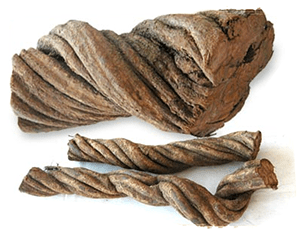

Ayahuasca [ah-yuh-wah-skuh] is any of various psychoactive infusions or decoctions prepared from the Banisteriopsis spp. vine, usually mixed with the leaves of dimethyltryptamine (DMT)-containing species of shrubs.
The brew, first described academically in the early 1950s by Harvard ethnobotanist Richard Evans Schultes, who found it employed for divinatory and healing purposes by Amerindians of Amazonian Colombia, is known by a number of different names.
Posted in Drugs, World |
2 Comments »


 The Daily Omnivore