February 9, 2011

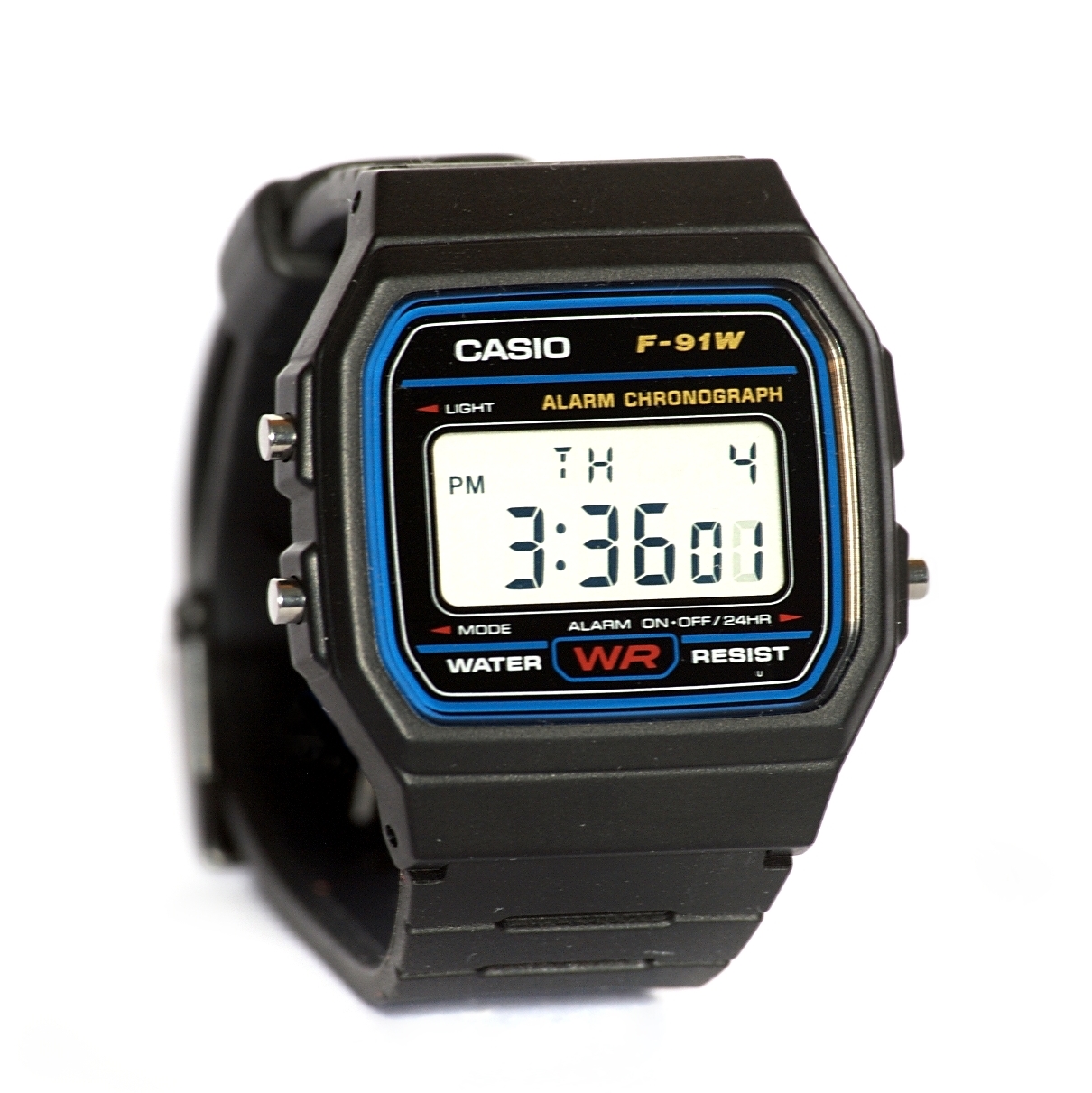
The Casio F91W is an inexpensive quartz digital watch, manufactured by the Japanese firm Casio Computer Co., Ltd.. It was introduced in 1991. This watch is widely available throughout the world. It is widely noticeable due to its classic Casio shape. Prices vary, normally in the $7.50 – $15 range. United States intelligence officials have identified the F91W as a watch that terrorists often use when constructing time bombs.
Posted in Money, Technology, World |
Leave a Comment »
February 3, 2011

Poken is a device that utilizes a proprietary Near Field Communication (NFC) technology to allow the exchange of online social networking data between two keychain accessories. The primary information exchanged via the poken is a ‘social business card,’ a digital replacement for a physical business card. By touching two devices together, a unique ID is exchanged that links to contact information on the Poken website. Users of the Poken website can use a ‘social dashboard’ to manage, and interact with their contacts.
Posted in Technology |
Leave a Comment »
February 2, 2011

Quorn is the leading brand of mycoprotein food product in the UK and Ireland. The mycoprotein is extracted from a fungus, Fusarium venenatum, which is grown in large vats. Quorn is produced as both a cooking ingredient and a range of ready meals. It is sold (largely in Europe, but also in other parts of the world) as a health food and an alternative to meat, especially for vegetarians. As it uses egg white as a binder, it is not a vegan food.
During production, it is textured, giving it some of the grained character of meat, and pressed either into a mince resembling ground beef; forms resembling chicken breasts, meatballs, and turkey roasts; or chunks resembling diced chicken breast. In these forms, Quorn has a varying color and a mild flavour resembling the imitated meat product, and is suitable for use as a replacement for meat in many dishes, such as stews and casseroles. The final Quorn product is high in protein and dietary fibre and is low in saturated fat and salt. It contains less dietary iron than do most meats.
Posted in Food, Health, Technology |
Leave a Comment »
January 28, 2011
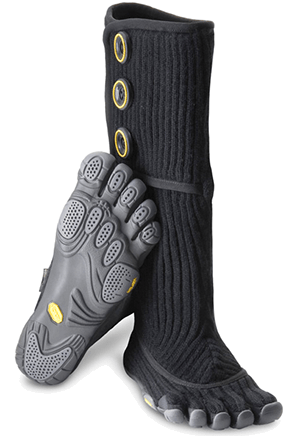
FiveFingers are a type of shoe manufactured by Vibram. Originally developed as a ‘barefoot alternative’ for sailing and climbing, the footwear has thin, flexible soles that are contoured to the shape of the human foot, including visible individual sections for the toes. Vibram FiveFingers are meant to replicate being barefoot and allow for the natural biomechanics of the foot to work.
Posted in Health, Money, Technology |
Leave a Comment »
January 21, 2011
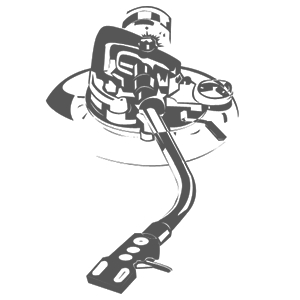
The Technics SL-1200 are a series of turntables manufactured since October 1972 by Matsushita under the brand name of Technics. Originally released as a high fidelity consumer record player, it quickly became adopted among radio and club disc jockeys. Since its release in 1978, SL-1200MK2 and its successors have been the most common turntable for DJing and scratching.
The MK2 presented several improvements, including to the motor and casing. Since 1972, more than 3 million units have been sold. It is widely regarded as one of the most durable and reliable turntables ever produced. Many of the models manufactured in the 1970s are still in heavy use. In the autumn of 2010, Panasonic announced that the series was to be discontinued due to marketplace conditions.
read more »
Posted in Art, Technology |
Leave a Comment »
January 6, 2011

The TI-83 series of graphing calculators is manufactured by Texas Instruments. The original TI-83 is itself an upgraded version of the TI-82. Released in 1996, it is one of the most used graphing calculators for students. TI replaced the TI-83 with the TI-83 Plus calculator in 1999, which included flash memory, enabling the device’s operating system to be updated if needed, or for large new Flash Applications to be stored, accessible through a new Apps key.
The Flash memory can also be used to store user programs and data. In 2001 the TI-83 Plus Silver Edition was released, which featured approximately nine times the available Flash memory, and over twice the processing speed (15 MHz) of a standard TI-83 Plus.
Posted in Education, Money, Technology |
Leave a Comment »
January 1, 2011

The Magpul FMG-9 is a prototype for a folding machine gun, designed by Magpul Industries in 2008. It is made out of a light-weight polymer material rather than metal, making it easy to carry and conceal. It is also small enough even to fit in the back pocket of most pants.
It was developed for use by personal protection details such as the United States Secret Service. It is still a prototype and may or may not be made in large numbers for law enforcement agencies. The prototype uses Glock pistol firing mechanisms, specifically the 9mm Glock 17 pistol and the Glock 18 machine pistol.
Posted in Money, Technology, War |
Leave a Comment »
December 23, 2010
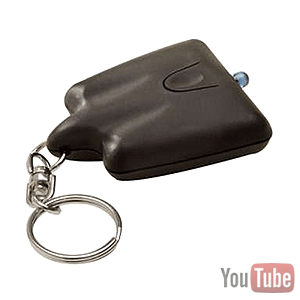
TV-B-Gone is a type of simple universal remote control device for turning off a large majority of the current available brands of television sets. It was created to allow people in a public place to turn off nearby television sets, presumably because the broadcast was distracting them from other activities. Its inventor has referred to it as ‘an environmental management device.’
The device is part of a key-chain, and, like other remote devices, is battery-powered. Although it can require up to 69 seconds for the device to find the proper code for a particular television receiver, the most popular televisions turn off in the first few seconds. During the 2008 Consumer Electronics Show, some individuals from gadget blog, Gizmodo brought a TV-B-Gone remote control and shut off many display monitors at booths and during demos affecting several companies. These actions caused the individual from Gizmodo to be banned for life from future CES events.
Posted in Humor, Technology |
Leave a Comment »
December 23, 2010

FakeTV is a burglar deterrent that makes it look like someone is home watching television by recreating the sort of light produced by an HDTV. It comes with an internal light sensor which allows the device to activate when it becomes totally dark (0.5 lux or lower) and a built in timer with four modes of operation: Always On, Dusk +4 HRS, Dusk +7 HRS, and Off. It retails for $30.
Posted in Money, Technology |
Leave a Comment »
December 15, 2010

Slow Cow is a ‘relaxation beverage’ launched in Quebec in December 2008, dubbed an ‘anti-energy’ drink by its creators.
Slow Cow’s principal ingredient is L-Theanine, an amino acid found in tea plants, which is said to produce a ‘feeling of relaxation and well-being.’ Other ingredients include extracts of chamomile, passiflora, valerian, tilia cordata, and hops.
Posted in Drugs, Food, Health |
Leave a Comment »
December 10, 2010
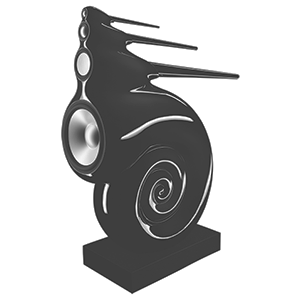
The Nautilus is a Bowers & Wilkins concept loudspeaker first released in 1993. It uses tapering tubes filled with absorbent wadding to reduce resonances to an insignificant minimum. Nautilus Tapering Tubes are fitted to nearly all Bowers & Wilkins speakers, even when they’re not visible to the eye. Tapering the tube enables you to make it shorter for the same level of absorption; it acts like a horn in reverse – reducing the sound level instead of increasing it.
The limit of this type of loading is reached when the wavelength gets small enough to be comparable with the diameter of the tube. To maintain the effectiveness of tube loading, you must restrict the bandwidth of each driver. This is one reason why the Nautilus loudspeaker is divided into a 4-way system. A more complex type of loading is required to cover a wider bandwidth and the sphere/tube enclosure was developed for the Nautilus 800 Series.
Posted in Art, Technology |
Leave a Comment »
December 6, 2010

The Birkin bag is a handmade purse by Hermès and named after actress and singer Jane Birkin. Its prices range from $9,000 to $150,000. Costs escalate according to the type of materials. The bags are distributed to Hermès boutiques on unpredictable schedules and in limited quantities, creating artificial scarcity. Although the Birkin bag is free of logos, it is one of the most recognized bags in the fashion industry and by the public. In 1981, Hermès chief executive Jean-Louis Dumas was seated next to Jane Birkin on a flight from Paris to London. She had just placed her straw bag in the overhead compartment of her seat, but the contents fell to the ground, leaving her to scramble to replace the contents.
Birkin explained to Monsieur Dumas that it had been difficult to find a leather weekend bag she liked. In 1984 he created a black supple leather bag for her based on an 1892 design. The bags are handmade in France by expert artisans. The company’s signature saddle stitching, developed in the 1800s, is a distinctive feature. An average bag is created in 48 hours. Leathers are obtained from different tanners in France, resulting in varying smells and textures. Because of the individual craftsmanship, other details of the bags may not all match.
Posted in Money |
Leave a Comment »



 The Daily Omnivore