February 6, 2013
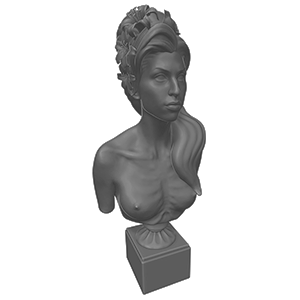
Daniel Edwards (born 1965) is a contemporary artist whose pieces address celebrity and popular culture in ways that have often stirred controversy. His work is generally accompanied by press releases. He includes the idea of promotion and associative fame in his own marketing of his art. His work includes a sculpture of the disembodied head of Ted Williams, a life-sized statue of Britney Spears giving birth while nude on her hands and knees on a bearskin rug (Edwards titled the piece ‘Monument to Pro-Life: The Birth of Sean Preston,’ explaining that it symbolized Spears’ decision to put childbirth ahead of her career; Britney Spears actually had a caesarean section), a bust of Senator Hillary Clinton, and a 25-foot (7.6 m) bust of Fidel Castro.
In an Associated Press interview, Edwards asserted that he incorporates celebrity stories because: ‘You’re bombarded with these stories. And there’s a thread that winds back to the art. That’s not a bad thing. People are interested in sex, and it works for art as well.’
Posted in Art, Money, Sex |
Leave a Comment »
June 10, 2012

Richard Anuszkiewicz [an-uhskey-vich] (b. 1930) is an American painter, printmaker, and sculptor. He trained at the Cleveland Institute of Art, and with German artist Josef Albers, at the Yale University School of Art and Architecture where he earned his Masters of Fine Arts. He was one of the founders and foremost exponents of Op Art, a movement during the late 1960s and early 1970s which explore optical illusions. Victor Vasarely in France and Bridget Riley in England were his primary international counterparts.
In 1964, ‘Life’ magazine called him ‘one of the new wizards of Op.’ More recently, while reflecting on a New York City gallery show of Anuszkiewicz’s from 2000, the ‘New York Times’ art critic Holland Cotter described Anuszkiewicz’s paintings by stating, ‘The drama — and that feels like the right word — is in the subtle chemistry of complementary colors, which makes the geometry glow as if light were leaking out from behind it.’
Posted in Art |
Leave a Comment »
March 27, 2012
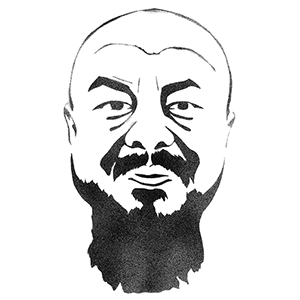
Ai Weiwei (b. 1957) is a Chinese contemporary artist, active in sculpture, installation, architecture, curating, photography, film, and social, political and cultural criticism. Ai collaborated with Swiss architects Herzog & de Meuron as the artistic consultant on the Beijing National Stadium for the 2008 Olympics.
As a political activist, he has been highly and openly critical of the Chinese Government’s stance on democracy and human rights. He has investigated government corruption and cover-ups, in particular the Sichuan schools corruption scandal following the collapse of so-called ‘tofu-skin schools’ in the 2008 Sichuan earthquake. In 2011, following his arrest at Beijing airport, he was held for over two months without any official charges being filed; officials alluded to their allegations of ‘economic crimes’ (tax evasion).
read more »
Posted in Politics, World |
Leave a Comment »
February 3, 2012
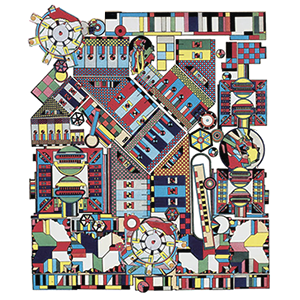
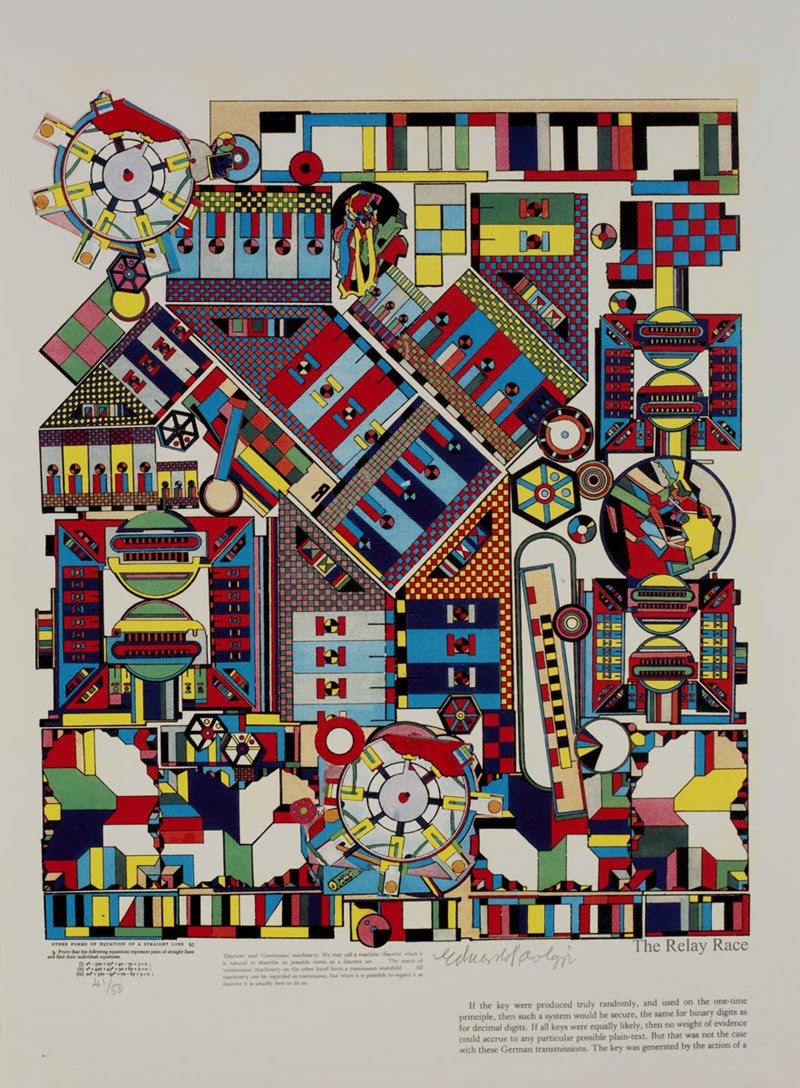
Eduardo Paolozzi [pow-laz-zi] (1924 – 2005), was a Scottish sculptor and artist. Paolozzi investigated how we can fit into the modern world to resemble our fragmented civilization through imagination and fantasy. By the dramatic juxtaposition of ideas in his work, he let us see the confusion as well as the inspiration. Paolozzi’s ‘I was a Rich Man’s Plaything’ (1947) is considered the first standard bearer of Pop Art and first to display the word ‘pop.’ Paolozzi showed the collage in 1952 as part of his groundbreaking ‘Bunk!’ series presentation at the initial Independent Group meeting in London.
He established his first studio in Chelsea, London; a workshop filled with hundreds of found objects, models, sculptures, materials, tools, toys and stacks of books. Paolozzi was interested in everything and would use a variety of objects and materials in his work, particularly his collages. He came to public attention in the 1950s by producing a range of striking screenprints and ‘Art Brut’ sculpture. Paolozzi was a founder of the Independent Group in 1952, which is regarded as the precursor to the mid 1950s British and late 1950s American Pop Art movements.
Posted in Art |
Leave a Comment »
January 3, 2012
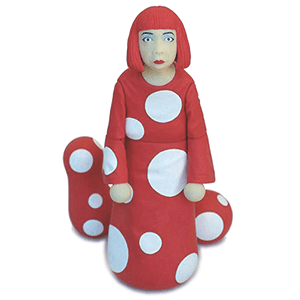
Yayoi [yah-yoy] Kusama [koo-sah-muh] (b. 1929) is a Japanese artist whose paintings, collages, soft sculptures, performance art and environmental installations all share an obsession with repetition, pattern, and accumulation (she has described herself as an ‘obsessive artist’). Kusama’s work is based in Conceptual art (in which the concepts or ideas involved in the work take precedence over traditional aesthetic and material concerns) and shows some attributes of feminism, minimalism, surrealism, Art Brut, pop art, and abstract expressionism, and is infused with autobiographical, psychological, and sexual content.
Kusama is also a published novelist and poet, and has created notable work in film and fashion design. She has long struggled with mental illness, and has experienced hallucinations and severe obsessive thoughts since childhood, often of a suicidal nature. She claims that as a small child she suffered physical abuse by her mother. In 2008, a work by her sold for $5.1 million, a record for a living female artist.
read more »
Posted in Art, Health, Money |
1 Comment »
November 29, 2011
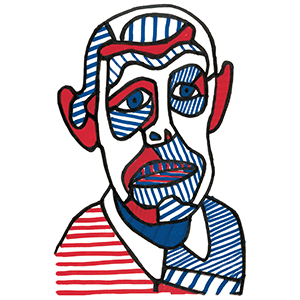
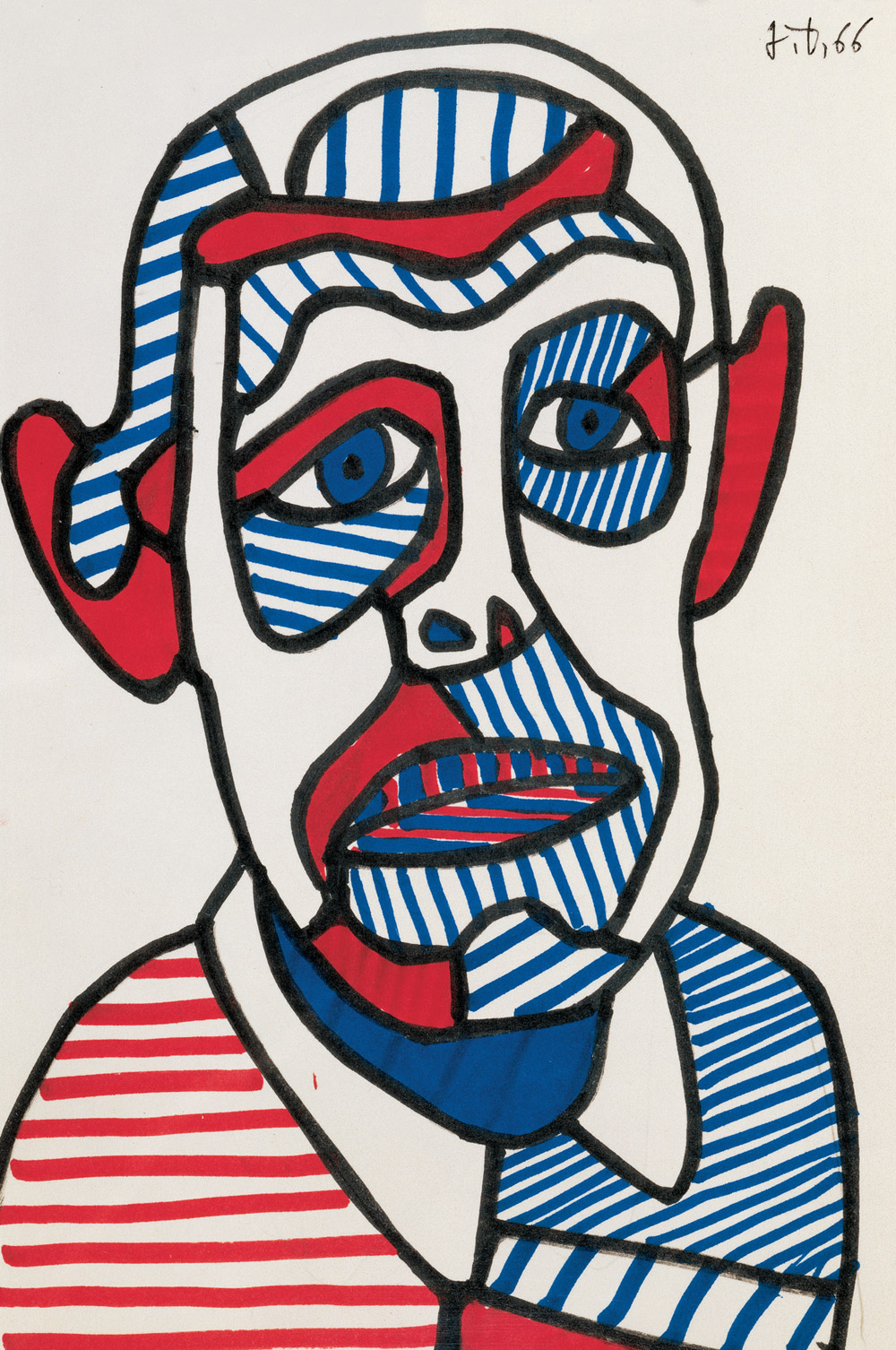
Jean Dubuffet [doo-buh-fey] (1901 – 1985) was a French painter and sculptor. His idealistic approach to aesthetics embraced so called ‘low art’ and eschewed traditional standards of beauty in favor of what he believed to be a more authentic and humanistic approach to image-making.
After a break of several years, he took up painting again in the 1930s, when he made a large series of portraits in which he emphasized the vogues in art history. But again stopped, only turning to art for good in 1942 when he started to paint figures of nude women in a impersonal and primitive way, in strong and unbroken colors. Also he chose as subjects people in the commonplace of everyday life, such as people sitting in the underground, or just walking in the country.
read more »
Posted in Art |
Leave a Comment »
June 3, 2011
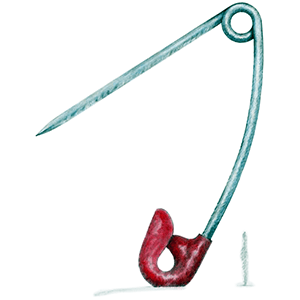
Claes Oldenburg (b. 1929) is a Swedish sculptor, best known for his public art installations typically featuring very large replicas of everyday objects. Another theme in his work is soft sculpture versions of everyday objects. He first opened his own studio in 1953, and became a naturalized citizen of the United States that year as well.
Many of Oldenburg’s large-scale sculptures of mundane objects elicited public ridicule before being embraced as whimsical, insightful, and fun additions to public outdoor art. In the 1960s he became associated with the Pop Art movement and created many so-called happenings, which were performance art related productions of that time. The name he gave to his own productions was ‘Ray Gun Theater.’
read more »
Posted in Art, Humor |
Leave a Comment »
May 20, 2011
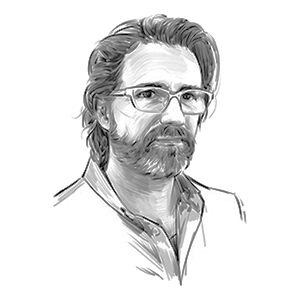
Olafur Eliasson (b. 1967) is a Danish-Icelandic artist known for sculptures and large-scale installation art employing elemental materials such as light, water, and air temperature to enhance the viewer’s experience.
In 1996, Eliasson started working with Einar Thorsteinn, an architect and geometry expert 25 years his senior as well as a former friend of Buckminster Fuller’s. Thorsteinn’s knowledge of geometry and space has been integrated into Eliasson’s artistic production, often seen in his geometric lamp works as well as his pavilions, tunnels and camera obscura projects.
read more »
Posted in Art |
Leave a Comment »
March 16, 2011

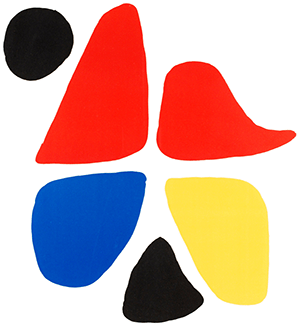
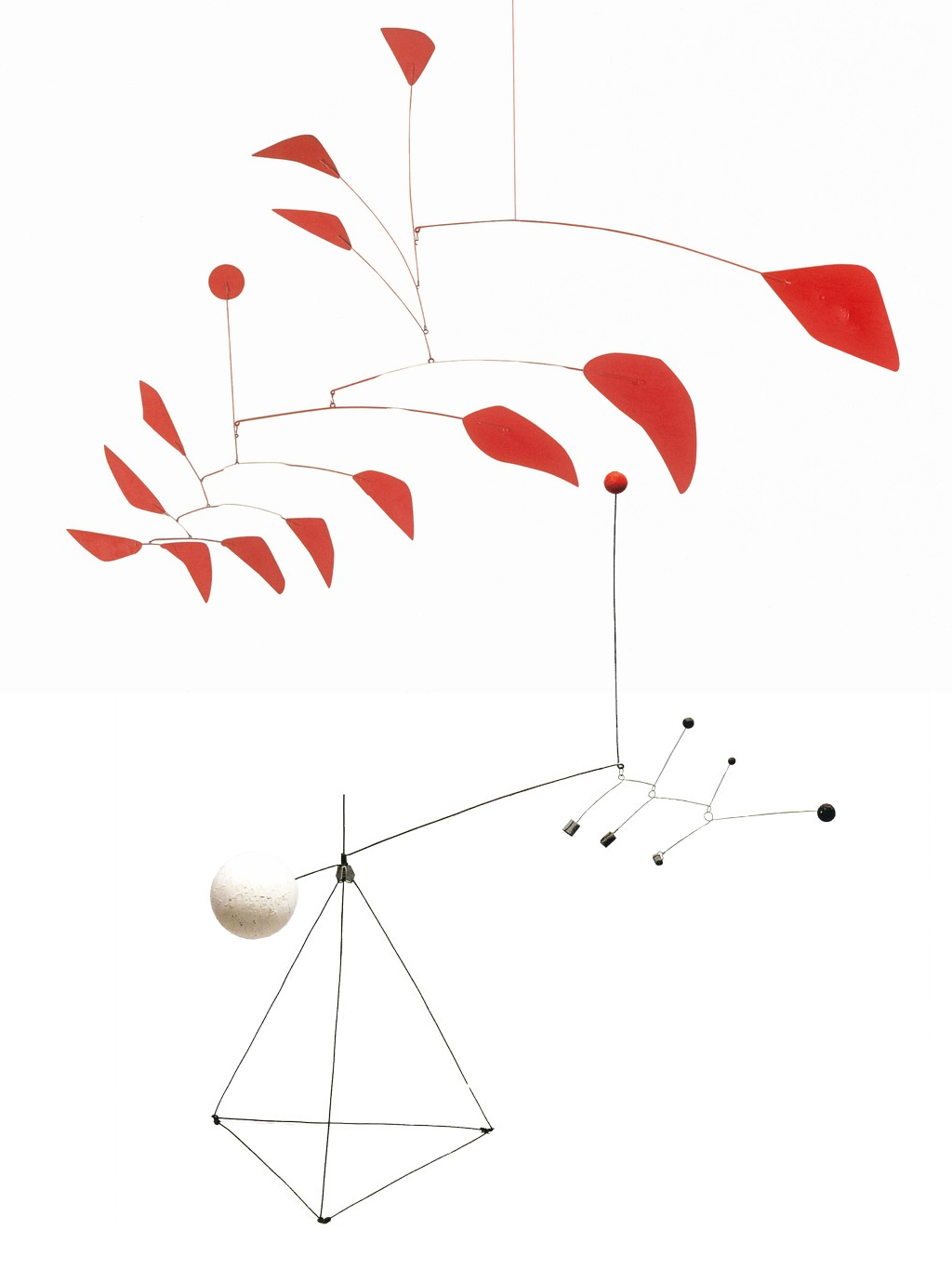
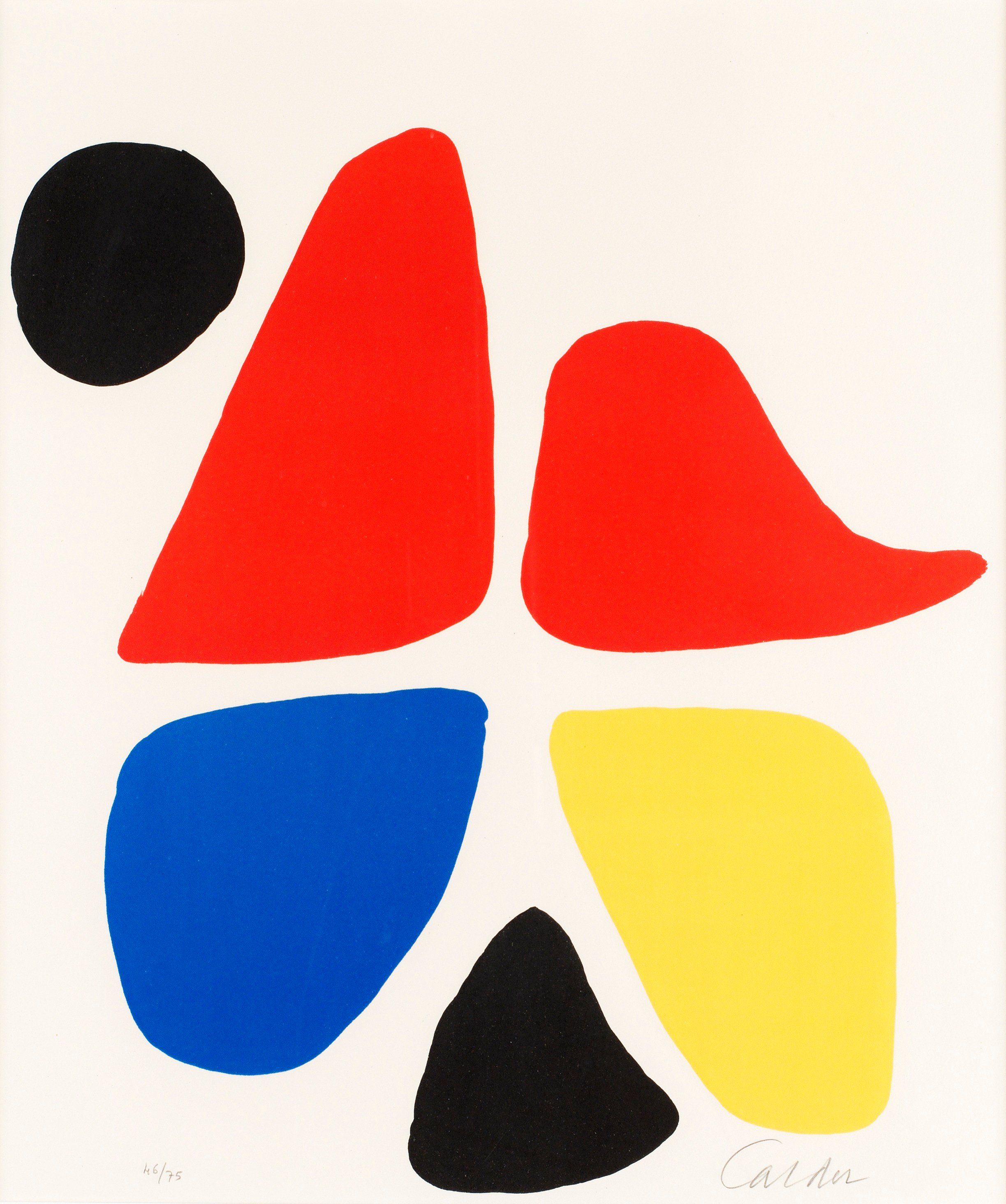
Alexander Calder [kawl-der] (1898 – 1976) was an American sculptor and artist most famous for inventing the mobile.
In addition to mobile and stabile sculpture, Alexander Calder also created paintings, lithographs, toys, tapestry, jewelry and household objects.
read more »
Posted in Art, Money, Technology |
Leave a Comment »
March 10, 2011
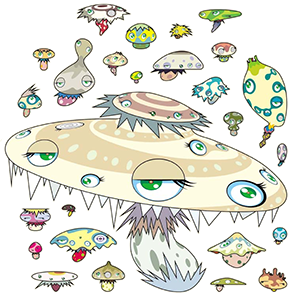
Takashi Murakami is a prolific contemporary Japanese artist who works in both fine arts media—such as painting—as well as digital and commercial media. He blurs the boundaries between high and low art by appropriating popular themes from mass media and pop culture, and turning them into thirty-foot sculptures, ‘Superflat’ paintings, or marketable commercial goods such as figurines or phone caddies.
read more »
Posted in Art, Money, World |
Leave a Comment »
February 9, 2011
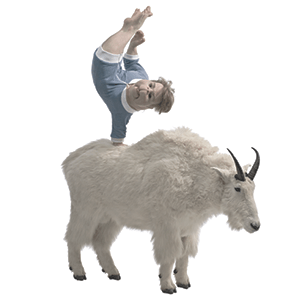
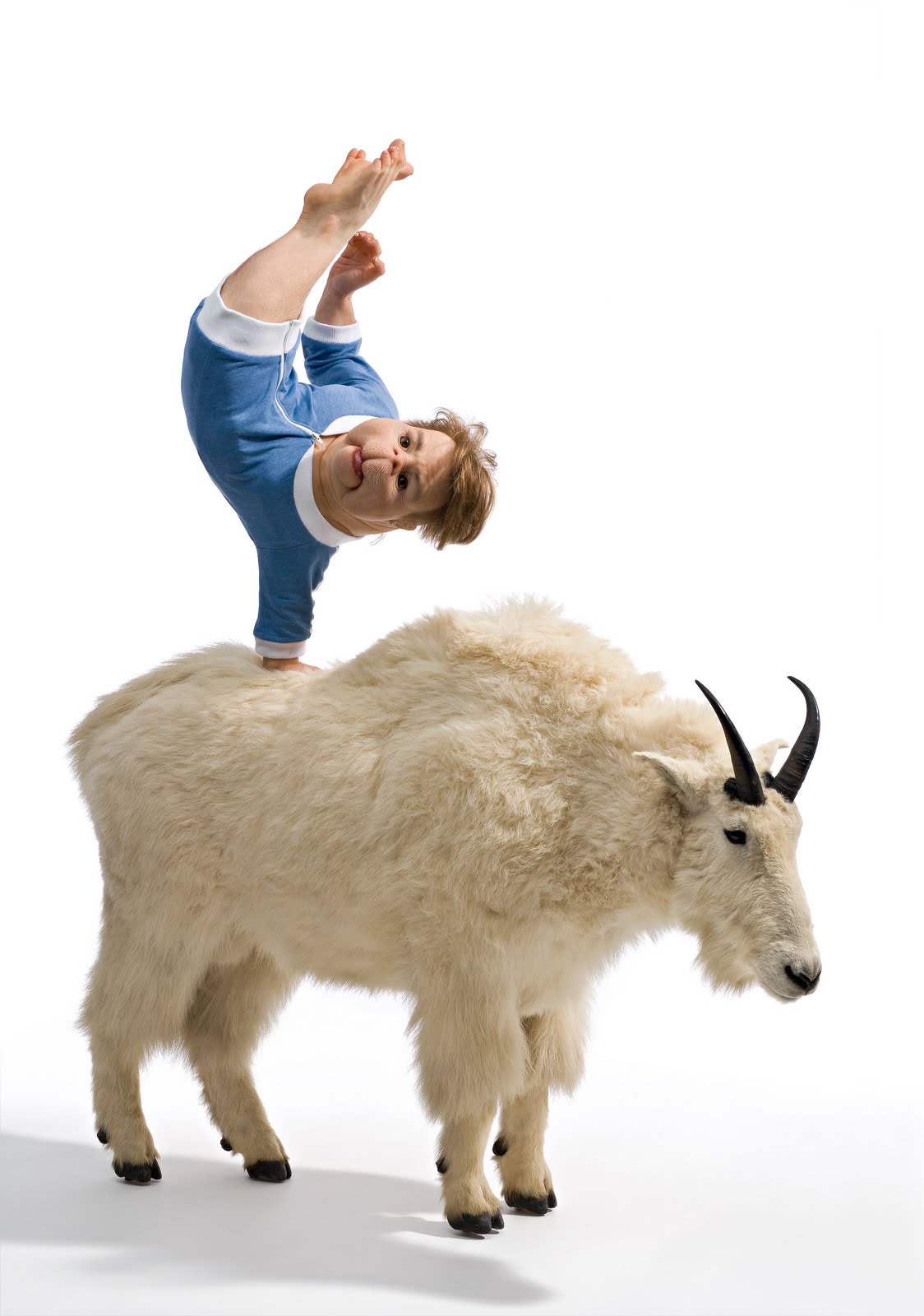
Patricia Piccinini (born in 1965 in Freetown, Sierra Leone) is an Australian artist and hyperrealist sculptor. Her art work came to prominence in Australia in the late 1990s.
Her major artworks often reflect her interests in issues such as bioethics, biotechnologies and the environment. Other Australian artists who work in a similar idiom are Martine Corompt, Sam Jinks and Ron Mueck.
Posted in Art, Money, Politics |
Leave a Comment »





 The Daily Omnivore