March 8, 2011

Jerk is a style of cooking native to Jamaica in which meat is dry-rubbed or wet marinated with a very hot spice mixture called Jamaican jerk spice. Jerk seasoning is traditionally applied to pork and chicken. Modern recipes also apply jerk spice mixes to fish, shrimp, shellfish, beef, sausage, lamb, and tofu. Jerk seasoning principally relies upon two items: allspice (called ‘pimento’ in Jamaica) and Scotch bonnet peppers (similar in heat to the habanero pepper). Other ingredients include cloves, cinnamon, scallions, nutmeg, thyme, garlic, and salt.
The term jerk is said to come from the word ‘charqui,’ a Spanish term of Quechua origin for jerked or dried meat, which eventually became jerky in English. The term jerk spice (also often commonly known as Jamaican jerk spice) refers to a spice rub. The word jerk refers to both the spice rub and to the particular cooking technique.
read more »
Posted in Food, World |
Leave a Comment »
March 7, 2011

Sarsaparilla [sas-puh-ril-uh] is a soft drink, originally made from the Smilax regelii plant, but now often made with artificial flavors. It was popular in the US in the 19th century. According to advertisements for patent medicines of the period, it was considered to be a remedy for skin and blood problems.
In Hollywood westerns from the 1930s to the 1950s, ordering sarsaparilla in a saloon (instead of whiskey) is often met with mockery by the manly cowboys nearby. Sarsaparilla drinks feature widely in American popular culture, particularly in works related to the American West. In the 1957-1961 ABC western television series, ‘Sugarfoot,’ the title character, Tom Brewster, played by Will Hutchins, is a teetotaler who orders sarsaparilla ‘with a dash of cherry’ whenever he enters a saloon.
read more »
Posted in Drugs, Food, Health |
Leave a Comment »
March 7, 2011

Spruce beer is a beverage flavored with the buds, needles, or essence of spruce trees. Spruce beer can refer to either alcoholic or non-alcoholic beverages. A number of flavors are associated with spruce-flavored beverages, ranging from floral, citrusy, and fruity to cola-like flavors to resinous and piney. This diversity in flavor likely comes from the choice of spruce species, the season in which the needles are harvested, and the manner of preparation.
The fresh shoots of many spruces and pines are a natural source of vitamin C. Captain Cook made alcoholic sugar-based spruce beer during his sea voyages in order to prevent scurvy in his crew. Though spruce has sometimes been used as a flavoring ingredient in beer, such as Alba Scots Pine Ale,[and the Alaskan Brewing Company’s Winter Ale, the only beer termed ‘spruce beer’ is Wigram Brewing Company’ Spruce Beer, which is based on Captain Cooks first beer brewed in New Zealand in 1773.
Posted in Drugs, Food, Health |
Leave a Comment »
March 7, 2011

Root beer is a carbonated, sweetened beverage, originally made using the root of a sassafras plant (or the bark of a sassafras tree) as the primary flavor. Root beer, popularized in North America, comes in two forms: alcoholic and soft drink. The historical root beer provided a drink with a very low alcohol content, like a small or ‘near beer’. Although roots are used as the source of many soft drinks in many countries throughout the world (and even alcoholic beverages/beers), the name root beer is rarely used outside North America, Britain, Ireland and the Philippines. Most other countries have their own indigenous versions of root-based beverages and small beers but with different names.
There are hundreds of root beer brands in the United States, and there is no standardized recipe. The primary ingredient, artificial sassafras flavoring, is complemented with other flavors, common ones being vanilla, wintergreen, cherry tree bark, licorice root, sarsaparilla root, nutmeg, acacia, anise, molasses, cinnamon, clove and honey. Homemade root beer is usually made from concentrate, though it can also be made from actual herbs and roots. Both alcoholic and non-alcoholic root beers have a thick and foamy head when poured, often enhanced by the addition of yucca extract.
Posted in Drugs, Food, Money |
Leave a Comment »
March 7, 2011
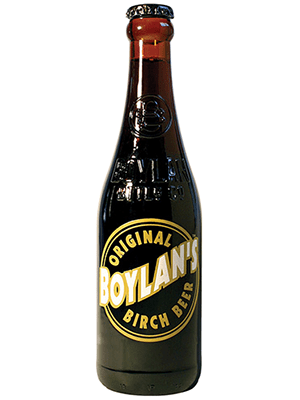
Birch beer is a carbonated soft drink made from herbal extracts, usually from birch bark. It has a taste similar to root beer. Various types of birch beer are available, distinguished by color. The color depends on the species of birch tree from which the sap is extracted (though enhancements via artificial coloring are not uncommon). Popular colors include brown, red, purple and clear (often called white birch beer), though others are possible.
After the sap is collected, it is distilled to make birch oil. The oil is added to the carbonated drink to give it the distinctive flavor. Black birch is the most common source of extract. In the dairy country of southeastern and central Pennsylvania, an ice cream soda made with vanilla ice cream and birch beer is called a Hot chocolate, while chocolate ice cream and root beer makes a Black Cow. Alcoholic birch beer, in which the birch sap is fermented rather than reduced to an oil, has been known in the region from at least the mid-nineteenth century.
Posted in Food |
Leave a Comment »
March 6, 2011

Louis’ Lunch in New Haven, Connecticut, advertises itself as the first restaurant to serve hamburgers and as being the oldest hamburger restaurant still operating. Opened as a small lunch wagon in 1895, it was also one of the first places in the US to serve steak sandwiches. Louis Lassen, a butter dealer, operated a lunch wagon where he served steak and ground steak hamburger sandwiches, made from scrap trimmings, to local factory workers. According to family legend, one day in 1900 a local businessman dashed into the small New Haven lunch wagon and pleaded for a lunch to go. Lassen hurriedly sandwiched a broiled hamburger between two slices of bread and sent the customer on his way, so the story goes, with America’s first hamburger being served.
The fourth generation of Lassens own and operate Louis’ Lunch today. The restaurant flame broils the hamburgers, the original way, in antique 1898 vertical cast iron gas stove with hinged steel wire gridirons to hold the hamburgers in place while they cook simultaneously on both sides. The patties are hand formed from ground steak made from a secret blend of five different cuts of beef. The hamburgers are prepared with cheese, tomato or onion as the only condiments or garnish; never any mustard, ketchup or mayonnaise on two square pieces of toasted white bread.
Posted in Food, Money |
1 Comment »
March 4, 2011


Eating Animals is the third book by the American writer Jonathan Safran Foer, published in 2009. It is a work of non-fiction exploring the topics of factory farming and commercial fisheries. He examines topics such as by-catch (fish caught unintentionally in a fishery while intending to catch other fish) and slaughterhouse conditions, learning that Indonesian shrimp trawlers kill 58 pounds of sea creatures for every 1 pound of shrimp, and that in American slaughterhouses, cows are consistently ‘bled, dismembered, and skinned while conscious.’
He also explores the health risks which pervade American factory farming, for example that H1N1 originated in a North Carolina factory farm, and that according to Consumer Reports, 98 percent of American chicken is infected with campylobacter or salmonella at the time of consumption. Foer also examines the cultural meaning of food, beginning with the experience of his own grandmother, who survived the holocaust, with a lifelong obsession over food. He builds on and ultimately criticizes the work of Michael Pollan on our relationship to the food we eat.
Posted in Art, Food, Health |
Leave a Comment »
March 2, 2011
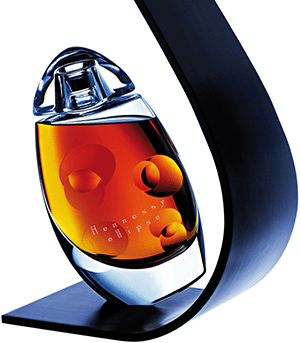

LVMH (Moët Hennessy • Louis Vuitton) is a French holding company and the world’s largest luxury goods conglomerate. It is the parent of around 60 sub-companies that each manage a small number of prestigious brands including Dom Pérignon, Belvedere Vodka, Marc Jacobs, and TAG Heuer. These daughter companies are, to a large extent, run autonomously. The group was formed after mergers brought together champagne producer Moët et Chandon and Hennessy, a leading manufacturer of cognac. In 1987, they merged with fashion house Louis Vuitton to form the current group.
Christian Dior, the luxury goods group, is the main holding company of LVMH, owning 42.38% of its shares, and 59.3% of its voting rights. Bernard Arnault, majority shareholder of Dior, is Chairman of both companies and CEO of LVMH. His successful integration of various famous aspirational brands into the group has inspired other luxury companies into doing the same. Thus Gucci (now part of the French conglomerate PPR) and Richemont have also created extended portfolios of luxury brands. The oldest of the LVMH brands is wine producer Château d’Yquem, which dates its origins back to 1593.
Posted in Art, Food, Money |
Leave a Comment »
March 1, 2011
Lowcountry cuisine is the cooking traditionally associated with the South Carolina Lowcountry and Georgia coast. It shares features with Southern cooking, but with rich diversity of seafood from the coastal estuaries, its concentration of wealth in Charleston and Savannah, and a vibrant Caribbean cuisine and African cuisine influence, Lowcountry cooking also has strong parallels with New Orleans and Cajun cuisines.
Posted in Food |
Leave a Comment »
March 1, 2011
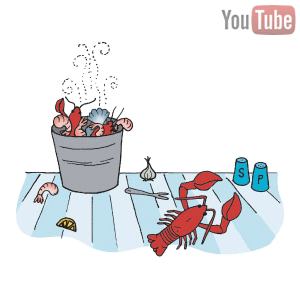
Seafood boil is the generic term for any number of different kinds of social events in which shellfish is the central element. Regional variations dictate the kinds of seafood, the accompaniments and side dishes, and the preparation techniques (boiling, steaming, baking, or raw). In some cases, a boil may be sponsored by a community organization as a fundraiser or a mixer. In this way, they are like a fish fry, barbecue, or church potluck supper.
But boils are also held by individuals for their friends and family for weekend get-togethers and on the summer holidays of Memorial Day and the Fourth of July. There are also companies that can cater a boil for large and small events. While boils and bakes are traditionally associated with coastal regions of the United States, there are notable exceptions. For example, the Fiesta Oyster Bake (San Antonio) began in 1916 as an alumni fund raiser for St. Mary’s University. It is now attended by over 70,000 people during its two day run and is a major music and cultural event in the city.
Posted in Food, Language |
Leave a Comment »
March 1, 2011

Ubuntu Cola [ooh-boon-too] is a soft drink certified by The Fairtrade Foundation, a charity based in the United Kingdom that works to empower disadvantaged producers in developing countries by tackling injustice in conventional trade, in particular by promoting and licensing the Fairtrade Mark, a guarantee that products retailed in the UK have been produced in accordance with internationally agreed Fairtrade standards.
Ubunto Cola is made with Fairtrade sugar from Malawi and Zambia, and is the first UK cola to be Fairtrade certified. It is available for sale in the United Kingdom, Sweden, Norway, Finland, Ireland, The Netherlands, Belgium, France, Italy, Switzerland, and online, in cans, 500 ml PET plastic bottles, and 275 ml glass bottles.
Posted in Food, Money, Politics |
Leave a Comment »
February 27, 2011

SweeTango, a registered trademark for a cultivar of apples produced in Minneiska, Minnesota. It is a newly released hybrid brand apple that debuted in 2009. It is a pinkish apple consisting of a yellow background that is intermittent with red coloration. The surface of the apple has several distinguishing visual characteristics. The prominent white lenticels appear freckle-like on the fruit. The name comes from those that have tasted this new brand of apple. They say they taste sweet as well as tart at the same time, sweet and tangy.
University of Minnesota produced this variety of apple from their breeding program. Their 80 acre Horticultural Research Center near Victoria, Minnesota, produced the Minneiska variety apple from Honeycrisp and Zestar apple varieties, which they also specially breed. Others apple varieties they have developed in their facility are Fireside, Haralson, and Honeygold.
Posted in Food, Money, Science |
Leave a Comment »


 The Daily Omnivore