February 12, 2011


The Mormon Corridor, also known as the Jell-O Belt, is a term for the areas of Western North America that were settled between 1850 and approximately 1890 by members of The Church of Jesus Christ of Latter-day Saints (LDS Church), who are commonly known as Mormons. The region’s moniker refers to the Mormon affinity for Jell-O. In support of this image, Jell-O was designated as Utah’s official state snack food in 2001 Utah has been the highest per capita consumer of Jell-O for many years.
Posted in Food, Money, Politics |
Leave a Comment »
February 11, 2011

Chemex Coffeemaker, a famous coffee-making device, was introduced by the Chemex Corporation of Pittsfield, Mass. in the 1940s. It consists of a single hourglass-shaped vessel and is used to make coffee. It was invented by industrial chemist, Peter Schlumbohm; the New York Times in its obituary of Schlumbohm called the device ‘one of 100 best modern devices.’
Posted in Food, Money, Technology |
Leave a Comment »
February 11, 2011
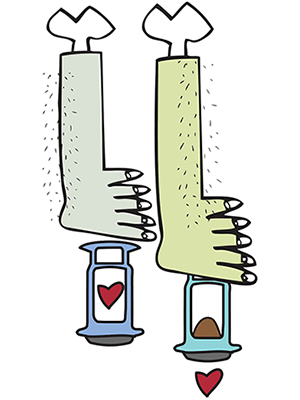
The AeroPress is a device for brewing coffee. It was invented in 2005 by Alan Adler. Coffee is steeped for about 10 seconds and then forced through a paper microfilter. The maker describes the result as an espresso strength concentration of coffee. The device consists of two copolyester cylinders. One cylinder has a rubber plunger and fits inside the larger cylinder to create an airtight seal, similar to a syringe.
The AeroPress, though sharing some similarities with a French press, is quite different. It uses a disposable paper filter which removes most of the coffee solids, resulting in a sediment-free brew, and air pressure is used to extract more coffee oils.
Posted in Food, Money, Technology |
Leave a Comment »
February 11, 2011
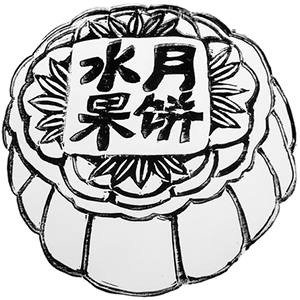
Mooncake is a Chinese bakery product traditionally eaten during the Mid-Autumn Festival (Zhongqiu Festival). The festival is for lunar worship and moon watching; mooncakes are regarded as an indispensable delicacy on this occasion. Mooncakes are offered between friends or on family gatherings while celebrating the festival. The Mid-Autumn Festival is one of the four most important Chinese festivals. Today, it is customary for businessmen and families to present them to their clients or relatives as presents, helping to fuel a demand for high-end mooncake styles.
Typical mooncakes are round or rectangular pastries, measuring about 10 cm in diameter and 4-5 cm thick. A thick filling usually made from lotus seed paste is surrounded by a relatively thin (2-3 mm) crust and may contain yolks from salted duck eggs. Mooncakes are usually eaten in small wedges accompanied by Chinese tea. Mooncake calorie intake can vary with the filling and size. The average moon cake is within the calorie range of 800 to 1200.
Posted in Food, World |
Leave a Comment »
February 8, 2011
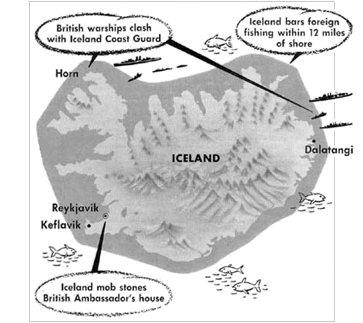
The Cod Wars were a series of confrontations in the 1950s and 1970s between the United Kingdom and Iceland regarding fishing rights in the North Atlantic. In 1972, Iceland unilaterally declared an Exclusive Economic Zone extending beyond its territorial waters, before announcing plans to reduce overfishing. It policed its quota system with the coast guard, leading to a series of net-cutting incidents with British trawlers that fished the areas. As a result, a fleet of Royal Naval warships and tug-boats were employed to act as a deterrent against any future harassment of British fishing crews by the Icelandic craft.
The conflict involved several cases of vessels ramming each other. The dispute ended in 1976 after Iceland threatened to close a major NATO base in retaliation for Britain’s deployment of naval vessels within the disputed 200 nautical mile (370 km) limit. The British government conceded, and agreed that after 1 December 1976 British vessels would not fish within the previously disputed area.
Posted in Food, Money, War |
Leave a Comment »
February 7, 2011

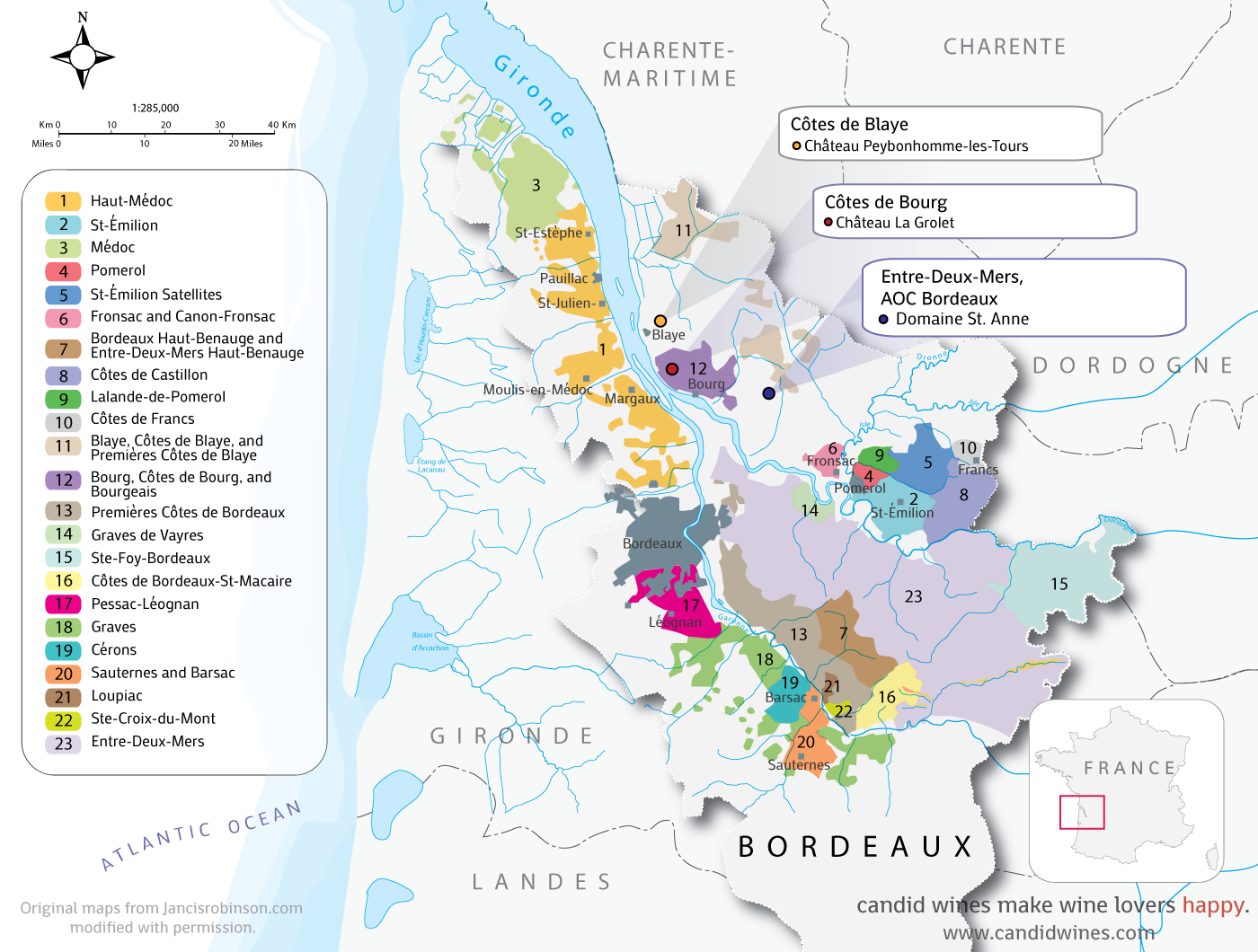
A Bordeaux [bawr-doh] wine is any wine produced in the Bordeaux region of south eastern, France. Average vintages produce over 700 million bottles of Bordeaux wine, ranging from large quantities of everyday table wine, to some of the most expensive and prestigious wines in the world. 89% of wine produced in Bordeaux is red (called ‘claret’ in Britain), with notable sweet white wines such as Chateau d’Yquem, dry whites, rosé and sparkling wines (Crémant de Bordeaux) all making up the remainder.
read more »
Posted in Food, Money, World |
Leave a Comment »
February 7, 2011

Meritage is a proprietary term used to denote Bordeaux-style wines without infringing on the French region’s legally protected designation of origin. Winemakers license the Meritage trademark from its owner, the California-based Meritage Alliance. Most Meritage wines come from California, but there are members in 18 other states and five other countries (Argentina, Australia, Canada, Israel, and Mexico).
Many people, including some wine experts, Frenchify the word ‘Meritage’ by pronouncing its last syllable with a ‘zh’ sound, as in ‘garage,’ but the Meritage Alliance specifically states that the word should be pronounced to rhyme with ‘heritage.’ The Meritage Association was formed in 1988 by a small group of Napa Valley, California vintners increasingly frustrated by regulations stipulating wines contain at least 75% of a specific grape to be labeled as that varietal.
read more »
Posted in Food, Language, Money |
Leave a Comment »
February 2, 2011
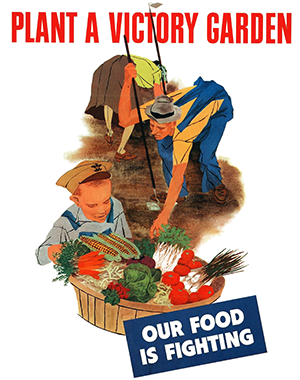
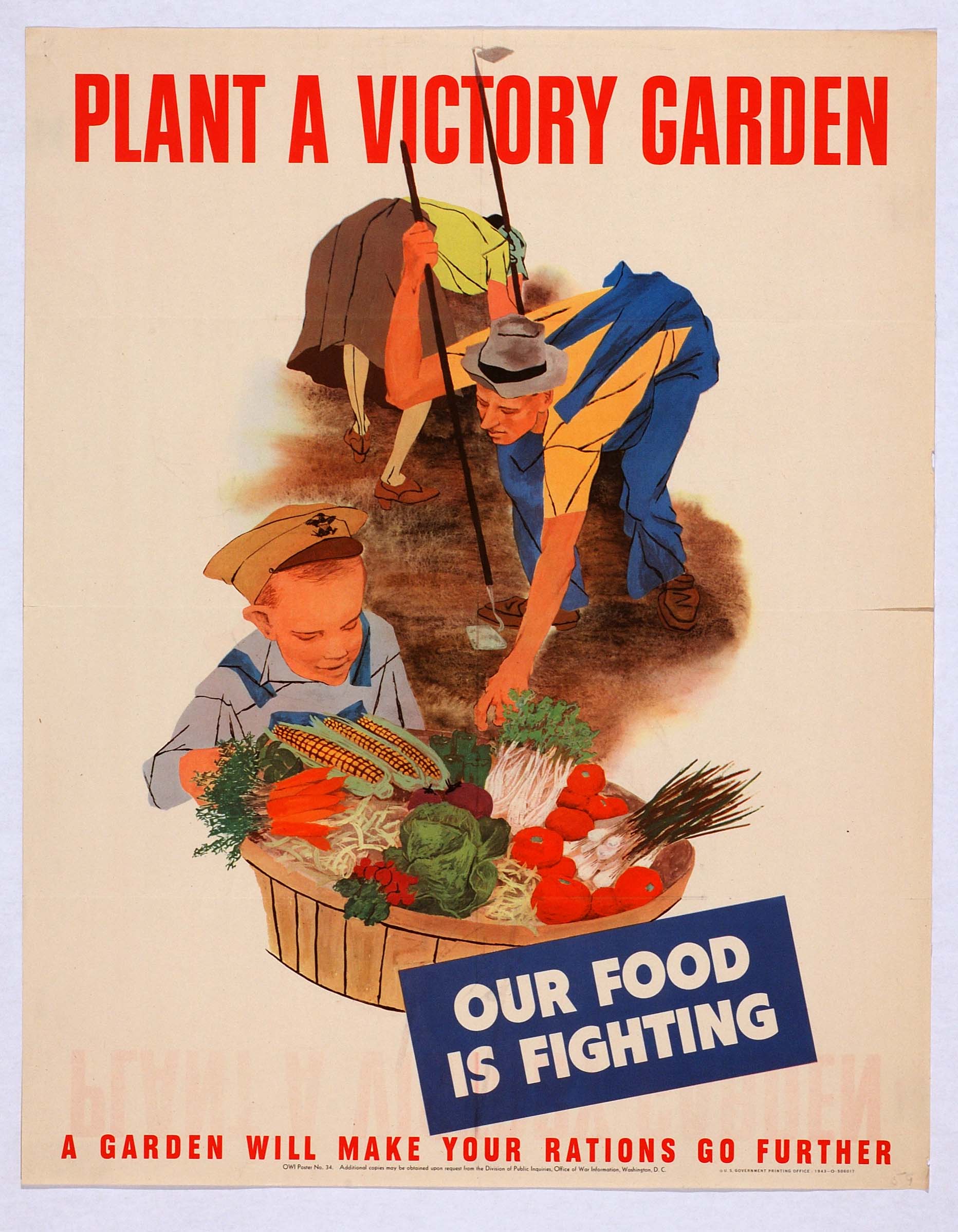
Victory gardens, also called war gardens, were vegetable, fruit and herb gardens planted at private residences and public parks in United States, United Kingdom, Canada and Germany during World War I and World War II to reduce the pressure on the public food supply brought on by the war effort. In addition to indirectly aiding the war effort these gardens were also considered a civil ‘morale booster’ — in that gardeners could feel empowered by their contribution of labor and rewarded by the produce grown. This made victory gardens become a part of daily life on the home front.
Posted in Food, Money, War |
Leave a Comment »
February 2, 2011
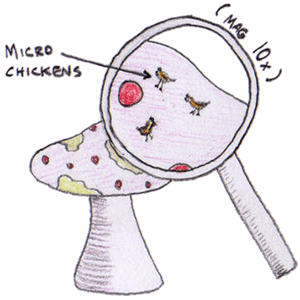
Quorn is the leading brand of mycoprotein food product in the UK and Ireland. The mycoprotein is extracted from a fungus, Fusarium venenatum, which is grown in large vats. Quorn is produced as both a cooking ingredient and a range of ready meals. It is sold (largely in Europe, but also in other parts of the world) as a health food and an alternative to meat, especially for vegetarians. As it uses egg white as a binder, it is not a vegan food.
During production, it is textured, giving it some of the grained character of meat, and pressed either into a mince resembling ground beef; forms resembling chicken breasts, meatballs, and turkey roasts; or chunks resembling diced chicken breast. In these forms, Quorn has a varying color and a mild flavour resembling the imitated meat product, and is suitable for use as a replacement for meat in many dishes, such as stews and casseroles. The final Quorn product is high in protein and dietary fibre and is low in saturated fat and salt. It contains less dietary iron than do most meats.
Posted in Food, Health, Technology |
Leave a Comment »
February 1, 2011

In vitro meat, also known as cultured meat, is an animal flesh product that has never been part of a complete, living animal. Several current research projects are growing in vitro meat experimentally, although no meat has yet been produced for public consumption. The first-generation products will most likely be minced meat, and a long-term goal is to grow fully developed muscle tissue. Potentially, any animal’s muscle tissue could be grown through the in vitro process.
Posted in Food, Money, Science |
Leave a Comment »
January 31, 2011

Miracle fruit refers to any of three plants that share the same common name: Synsepalum dulcificum, source of a berry that increases the perceived sweetness of foods; Gymnema sylvestre, source of an herb that reduces the perceived sweetness of foods; and Thaumatococcus daniellii, source of a spice that has an intensely sweet flavor. Recently, this phenomenon has enjoyed some revival in food-tasting events, referred to as ‘flavor-tripping parties.’ Tasters consume sour and bitter foods, such as lemons, radishes, pickles, hot sauce, and beer, to experience the taste changes that occur.
Synsepalum dulcificum produces berries that, when eaten, cause sour foods (such as lemons and limes) subsequently consumed to taste sweet. The berry itself has a low sugar content. This effect is due to a chemical called miraculin, which is used commercially as a sugar substitute. While the exact cause for this change is unknown, one theory is that miraculin works by distorting the shape of sweetness receptors so that they become responsive to acids, instead of sugar and other sweet things for 15–60 minutes.
Posted in Drugs, Food |
Leave a Comment »
January 28, 2011

The Heineken WOBO (World Bottle) was a beer bottle designed for use as a building material in the developing world. According to the company, when brewing magnate Alfred Heineken was in Curaçao in 1960 he saw many bottles littering the beach because the island had no economic means of returning them to bottling plants. He was also concerned with the lack of affordable building materials and the inadequate living conditions plaguing Curaçao’s lower-class. Envisioning a solution for these problems, he asked Dutch architect N. John Habraken to design what he called ‘a brick that holds beer.’
The bottle was designed to be interlocking, laid horizontally and bonded with cement mortar with a silicon additive. A 10 ft (3.0 m) x 10 ft (3.0 m) shack would take approximately 1,000 bottles to build. In 1963, 100,000 WOBO’s were produced in two sizes, 350 and 500 mm. This size difference was necessary in order to bond the bottles when building a wall, in the same way as a half brick is necessary when building with bricks. Unfortunately, most of them were destroyed, and they are now very rare and have become a collector’s item.
Posted in Food, Money, Technology |
Leave a Comment »




 The Daily Omnivore