November 3, 2010

Valrhona is a French chocolate manufacturer based in the small town of Tain-l’Hermitage in Hermitage, a wine-growing district near Lyon. The company was founded in 1922 by a French pastry chef, Albéric Guironne, and is today one of the leading producers of chocolate in the world. The company also maintains the École du Grand Chocolat, a school for professional chefs with a focus on chocolate-based dishes and pastries. Valrhona focuses mainly on high-grade luxury chocolate marketed for professional as well as for private consumption. Though considered one of the foremost chocolate makers in the world, Valrhona is in roughly the same price range as Godiva and Neuhaus.
The product line includes chocolate confectionery, plain and flavored chocolate bars and bulk chocolate in bars or pellets. Valrhona produces vintage chocolate made from beans of a single year’s harvest from a specific plantation, primarily the Grand Crus which is grown in South America, the Oceania and the Caribbean. Currently three brands of vintage chocolates – Ampamakia, Gran Couva and Palmira – are in production with plantations on Madagascar, Trinidad and in Venezuela respectively.
Posted in Food, Money, World |
Leave a Comment »
November 2, 2010
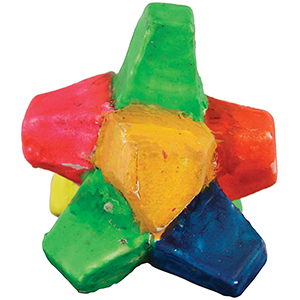
Gobstoppers, also known as jawbreakers, are a type of hard sweet of candy. They are usually round, and range from about 1 cm to 8 cm in diameter, and are traditionally very hard. The term gobstopper derives from ‘gob’, which is United Kingdom/Ireland slang for mouth.
Gobstoppers usually consist of several layers, each layer dissolving to reveal a different colored (and sometimes different flavored) layer, before dissolving completely. Gobstoppers are sucked or licked, being too hard to bite without risking dental damage (hence the the term ‘jawbreaker’). They have been sold in traditional sweet shops for at least a century, often sold by weight from jars.
Posted in Food |
Leave a Comment »
October 26, 2010
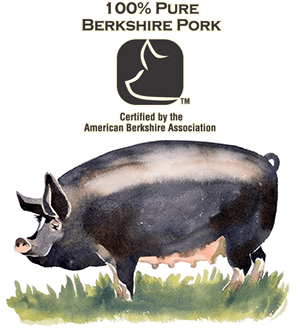
Berkshire [burk-sheer] Pigs are a rare, black skinned breed of pig originating from Britain that is considered the finest source of pork by chefs and gourmands. In Britain breeding is maintained by the Rare Breeds Survival Trust at Aldenham Country Park, Hertfordshire and the South of England Rare Breeds Centre in Kent. It is listed as ‘vulnerable’ as there are fewer than 300 breeding females.
In the United States, the American Berkshire Association, established in 1875, pedigrees only hogs directly imported from established English herds, or hogs tracing directly back to such imported animals. The pig is also bred in Kagoshima Prefecture, Japan, under the trademarked name Kurobuta.
Posted in Food, World |
Leave a Comment »
October 20, 2010
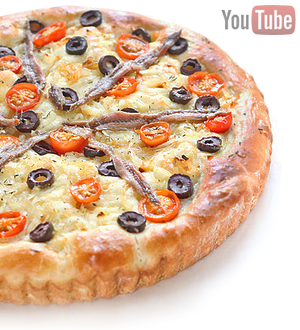
Pissaladiere or Pissaladina is a pizza-like dish made in southern France, around the Nice, Marseilles, Toulon and the Var District, and in the Italian region of Liguria, especially in the Imperia district. Believed to have been introduced to the area by Roman cooks during the time of the Avignon Papacy, it can be considered a type of white pizza, as no tomatoes are used. The dough is usually a bread dough thicker than that of the classic Italian pizza, although a pâte brisée (pastry) is sometimes used instead, and the traditional topping consist of sauteed (almost pureed) onions, olives, garlic and anchovies (either whole or in the form of pissalat, a type of anchovy paste).
No cheese is used in France; however in the nearby Italian town of San Remo, mozzarella is added. Now served as an appetizer, it was traditionally cooked and sold early each morning. The etymology of the word seems to be from Old French pescion from the Latin piscis, which in turn became the pissalat (‘salted fish’) anchovy paste mentioned above.
Posted in Food, World |
Leave a Comment »
October 19, 2010
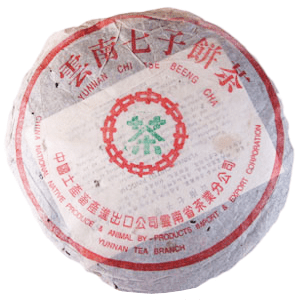
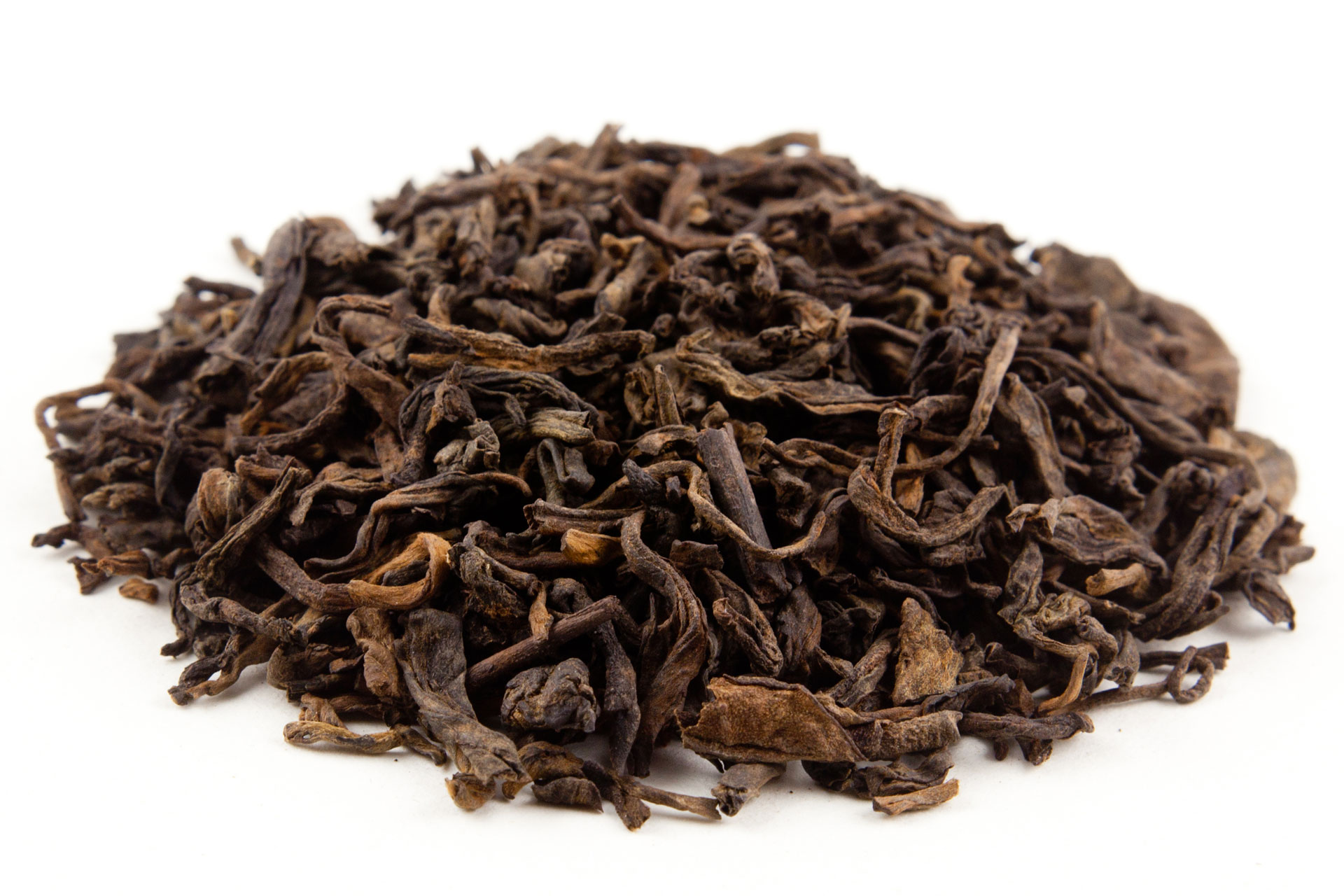
Pu-erh tea or Bolay tea is a type of tea made from a ‘large leaf’ variety of the tea plant Camellia sinensis and named after Pu’er county near Simao, Yunnan, China. Pu-erh tea can be purchased as either raw/green (sheng) or ripened/cooked (shu), depending on processing method or aging. Sheng pu-erh can be roughly classified on the tea oxidation scale as a green tea, and the shou or aged-green variants as post-fermented tea. The fact that pu-erh fits in more than one tea type poses some problems for classification. For this reason, the ‘green tea’ aspect of pu-erh is sometimes ignored, and the tea is regarded solely as a post-fermented product.
Unlike other teas that should ideally be consumed shortly after production, pu-erh can be drunk immediately or aged for many years; pu-erh teas are often now classified by year and region of production much like wine vintages. While there are many counterfeit pu-erhs on the market and real aged pu-erh is difficult to find and identify, it is still possible to find pu-erh that is 10 to 50 years old, as well as a few from the late Qing dynasty (1644–1912). Indeed, tea connoisseurs and speculators are willing to pay high prices for older pu-erh, upwards of thousands of dollars per cake.
Posted in Food, Health, World |
Leave a Comment »
October 18, 2010


Vin Mariani (French: Mariani’s wine) was a tonic and patent medicine created circa 1863 by Angelo Mariani, a chemist who became intrigued with coca and its economic potential after reading Paolo Mantegazza’s paper on coca’s effects. Mariani started marketing a wine called Vin Tonique Mariani (à la Coca du Pérou) which was made from Bordeaux wine treated with coca leaves.
The ethanol in the wine acted as a solvent and extracted the cocaine from the coca leaves, altering the drink’s effect. It originally contained 6 mg of cocaine per fluid ounce of wine, but Vin Mariani which was to be exported contained 7.2 mg per ounce in order to compete with the higher cocaine content of similar drinks in the United States. Ads for Vin Mariani claimed that it would restore health, strength, energy, and vitality.
read more »
Posted in Drugs, Food, Money |
Leave a Comment »
October 18, 2010


Freeganism is the practice of reclaiming and eating food that has been discarded. Freegans and Freeganism are often seen as part of a wider ‘anti-consumerist’ ideology, and freegans often employ a range of alternative living strategies based on limited participation in the conventional economy and minimal consumption of resources. Freegans ’embrace community, generosity, social concern, freedom, cooperation, and sharing in opposition to a society based on materialism, moral apathy, competition, conformity, and greed.’
The word ‘freegan’ is a portmanteau of ‘free’ and ‘vegan’; not all dumpster divers are vegan, but the ideology of veganism is inherent in freeganism. Freeganism started in the mid 1990s, out of the antiglobalization and environmentalist movements. The movement also has elements of Diggers, an anarchist street theater group based in Haight-Ashbury in San Francisco in the 1960s, that gave away rescued food.
read more »
Posted in Food, Money, Philosophy |
Leave a Comment »
October 12, 2010

Choco Taco is a brand of dessert food resembling a taco, consisting of a taco shell-like waffle cone, reduced-fat vanilla ice cream, artificially flavored fudge, peanuts, and a milk chocolate coating. The product was invented in Philadelphia in the 1980s by the Jack and Jill Ice Cream Company, but was introduced nationwide by Good Humor-Breyers in 1996 as ‘America’s coolest taco,’ at the Supermarket Industry Convention in Chicago, Illinois.
The ‘Choco Taco’ is marketed under both the Good Humor and Klondike brands. Both brands are owned by the same ice cream conglomerate, Good Humor-Breyers, a unit of Unilever, based in Green Bay, Wisconsin. In 1998, Unilever introduced the Choco Taco to Italy with the name Taco Algida.
Posted in Food, Money |
Leave a Comment »
October 10, 2010

Ital or I-tal is the dietary system associated with the Rastafari movement. The word derives from the English word ‘vital,’ with the initial syllable replaced by i. This is done to many words in the Rastafari vocabulary to signify the unity of the speaker with all of nature. Rastafarians derive their beliefs and morality from intense personal meditations and prayer, and therefore there is no single dogma of Rastafarian belief. Due to this emphasis on individual personal meditation in Rastafari, the expression of Ital eating varies widely from Rasta to Rasta, and there are few universal ‘rules’ of Ital living.
read more »
Posted in Food, Philosophy, World |
Leave a Comment »
September 30, 2010
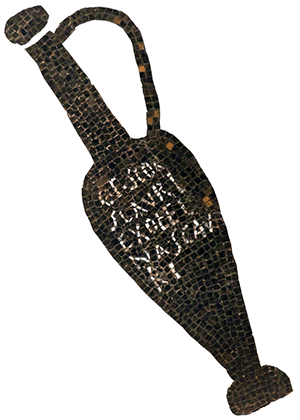
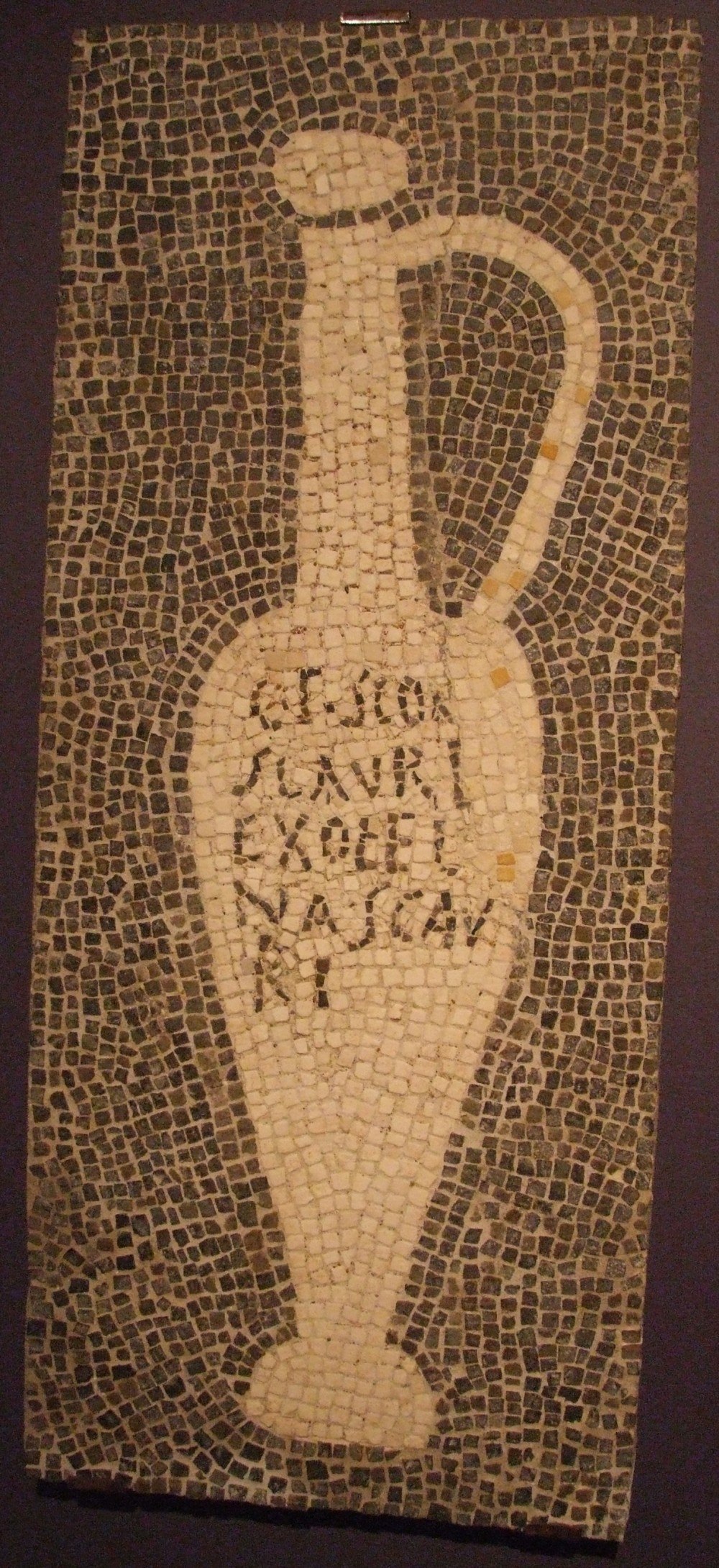
Garum [gah-rum], similar to liquamen, was a type of fermented fish sauce condiment that was an essential flavour in Ancient Roman cooking. Although it enjoyed its greatest popularity in the Roman world, it originally came from the Greeks, gaining its name from the Greek words garos or gáron (γάρον), a fish whose intestines were originally used in the condiment’s production. For the Romans it was both a staple to the common diet and a luxury for the wealthy. After the liquid garum was ladled off of the top of the mixture, the remains of the fish, called allec, was used by the poorest classes to flavour their staple porridge.
The sauce was generally made through the crushing and fermentation in brine of the innards of various fishes such as mackerel, tuna, eel, and others. While the finished product was apparently mild and subtle in flavor, the actual production of garum created such unpleasant smells as to become relegated to the outskirts of citie. Garum was prepared from the intestines of small fishes, macerated in salt and cured in the sun for one to three months, where the mixture fermented and liquified in the dry warmth, the salt inhibiting the common agents of decay. The end product was very nutritious, retaining a high amount of protein and amino acids, along with a good deal of minerals and B vitamins. Garum is still produced at factories in San Roque, Spain.
Posted in Food, World |
Leave a Comment »
September 29, 2010
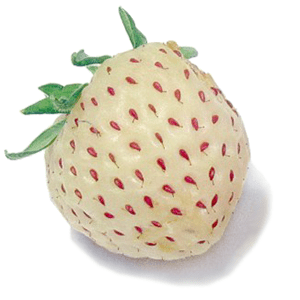
The Pineberry is a strawberry cultivar owned by breeder Hans de Jongh and commercialized by VitalBerry BV in Made, The Netherlands. The fruit flesh can range from soft white to orange and is very fragrant with a slight pineapple flavor. Pineberries begin life as green berries, then become slightly white. By the time their deeply set seeds turn deep red, the white fruit is deemed ripe.
Posted in Food, World |
Leave a Comment »
September 21, 2010

The Naga [nah-gah] jolokia [joe-low-key-ah], as it is commonly known, is a chili pepper generally recognized as the hottest in the world. The pepper is occasionally called the ghost chili by Western media due to a mistranslation. The Naga Jolokia is an interspecific hybrid primarily from Bangladesh, but also from the neighbouring Assam region of northeastern India. It can also be found in rural Sri Lanka where it is known as Nai Mirris (Cobra Chilli).
In 2000, India’s Defence Research Laboratory (DRL) reported a rating of 855,000 units on the Scoville scale, and in 2004 a rating of 1,041,427. For comparison, Tabasco sauce rates at 2,500–5,000, habanero peppers are 100,000–350,000 units, and pure capsaicin (the chemical responsible for the pungency of pepper plants) rates at 15,000,000–16,000,000 Scoville units.
Posted in Food, World |
Leave a Comment »






 The Daily Omnivore