September 17, 2010


Gianduja [gee-an-du-ya] is a sweet chocolate analogue containing about 30% hazelnut paste. It was invented in Turin, Italy by choclatier Caffarel in 1852, after taxes on cocoa beans hindered the production of conventional chocolate. It takes its name from a Carnival and marionette character who represents the archetypal Piedmontese, the Italian region where hazelnut confectionery is common. Ferreo Nutella is a giaduja spread first sold in Piedmont in 1963 and now available in over 75 countries.
Pietro Ferrero, who owned a patisserie in Alba, in the Langhe district of Piedmont, an area known for the production of hazelnuts, sold an initial batch of 300 kilograms (660 lb) of ‘Pasta Gianduja’ in 1946. This was originally a solid block, but in 1949, Pietro started to sell a creamy version in 1951 as ‘Supercrema.’ In 1963, Pietro’s son Michele revamped Supercrema with the intention of marketing it across Europe. Its composition was modified and it was renamed ‘Nutella.’ The first jar of Nutella left the Ferrero factory in Alba on 20 April 1964. The product was an instant success and remains widely popular. The estimated Italian production of Nutella averages 179,000 tons per year.
Posted in Food, World |
Leave a Comment »
September 14, 2010

The Great Pacific Garbage Patch refers to marine litter trapped in gyre (a system of rotating ocean currents) in the central North Pacific Ocean. The patch extends over an indeterminate area, with estimates ranging very widely depending on the degree of plastic concentration used to define the affected area.
The Patch is characterized by exceptionally high concentrations of plastics, chemical sludge, and other debris. Despite its size and density, it is not visible from satellite photography; it consists primarily of suspended particulates in the upper water column.
read more »
Posted in Food, Science, World |
Leave a Comment »
September 13, 2010
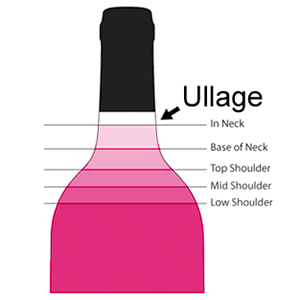
Ullage [uhl-ij] refers to the unfilled space in a container of liquid. In wine making, ullage also refers to the process of evaporation that creates a headspace itself or it can be used as a past tense verb to describe a wine barrel or bottle that has gone through the evaporation process (to be ullaged, etc). The headspace of air is a mixture mostly of alcohol and water vapors with carbon dioxide that is a by-product of the fermentation process.
In containers that are not completely air-tight (such as an oak wine barrel or a cork-stoppered wine bottle), oxygen can also seep into this space. While some oxygen is beneficial to the aging process of wine, excessive amounts can lead to oxidation and other various wine faults. This is why wine in the barrels is regularly ‘topped up’ and refilled to the top with wine in order to minimize the head space. In the bottle, the ullage or ‘fill level’of the wine can be an important indicator of the kind of care and storage conditions that the wine was kept in. After-market resellers and wine auction houses will often inspect the ullage levels of older vintages to determine the potential quality and value of wine.
Posted in Food, Language |
Leave a Comment »
September 12, 2010
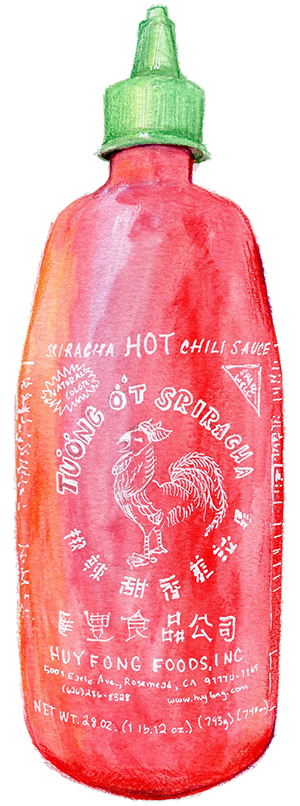
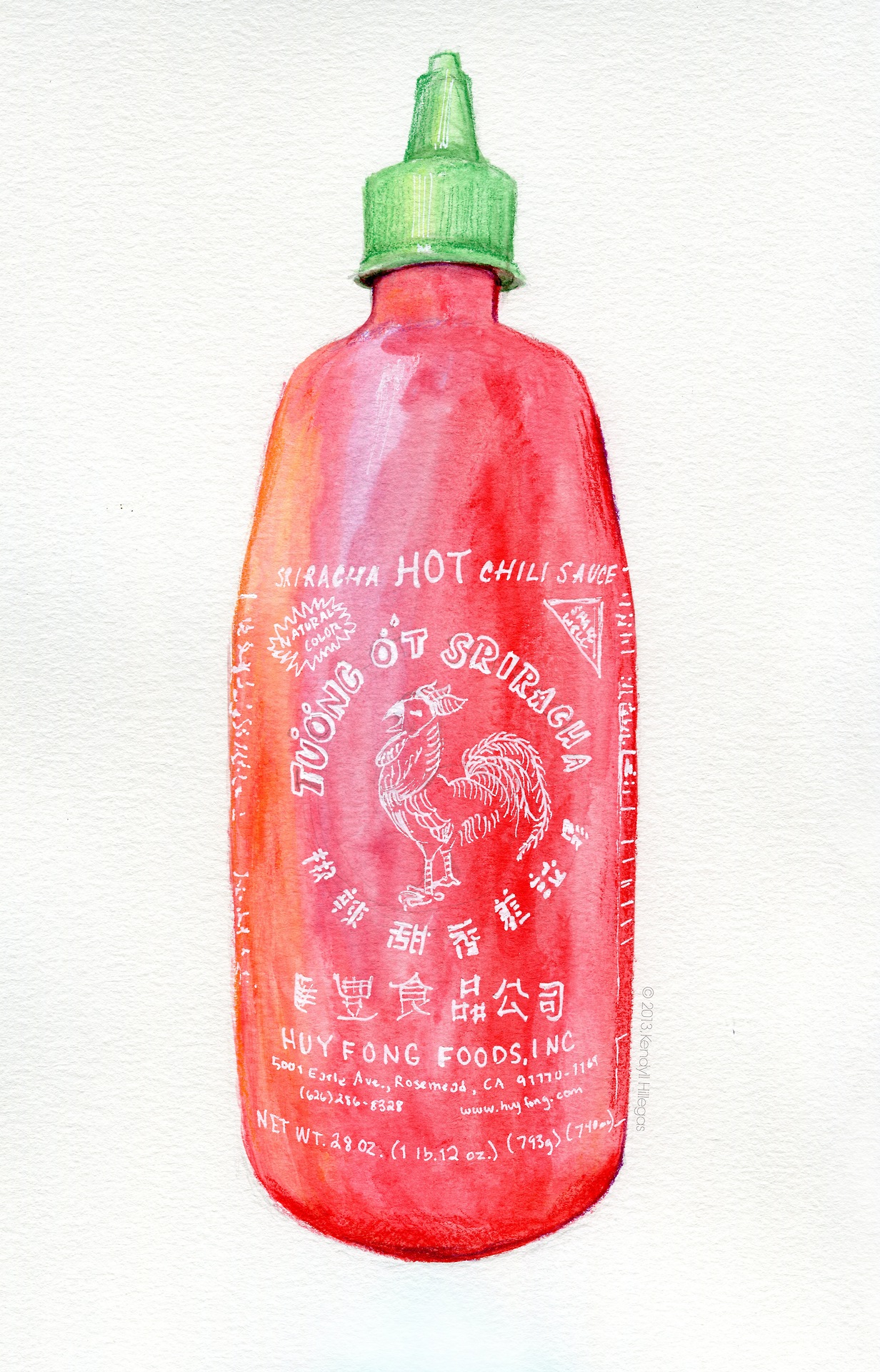
Sriracha [sir-rotch-ah] is a Thai hot sauce named after the seaside city of Si Racha, in the Chonburi Province of central Thailand, where it was first produced for dishes served at local seafood restaurants. It is a paste of chili peppers, vinegar, garlic, sugar and salt. Sriracha was popularized in America by Huy Fong Foods, and is known as rooster sauce or cock sauce, due to the rooster featured on its label.
Posted in Food, Money, World |
Leave a Comment »
August 24, 2010
The so-called Chicken tax was a 25% tax on potato starch, dextrin, brandy, and light trucks imposed in 1963 by the United States under President Lyndon B. Johnson as a response to tariffs placed by France and West Germany on importation of U.S. chicken. The period from 1961–1964 of tensions and negotiations surrounding the issue, which took place at the height of Cold War politics, was known as the ‘Chicken War.’
Eventually, the tariffs on potato starch, dextrin, and brandy were lifted, but the light truck tax is still in place. As an unintended consequence, several importers of light trucks have circumvented the tariff via loopholes, including Ford, which currently imports light trucks as ‘passenger vehicles’ to the U.S. from Turkey and immediately shreds portions of their interiors.
Posted in Food, Money, Politics |
Leave a Comment »
August 24, 2010

Black drink was the name given by colonists to a ritual beverage called Asi, brewed by Native Americans in the Southeastern United States. It was prepared from the roasted leaves and stems of the Yaupon Holly, native to the Atlantic and Gulf Coasts. The active ingredient in the drink was caffeine. The beverage was often used as a substitute for coffee and tea by colonists under the name cassine or cassina.
Prior to the 19th century, the black drink was consumed during the daily deliberations of the village councils and at all other important council meetings. Caddo, Creeks, Cherokees, Choctaws, and others believed it purified the drinker and purged him of anger and falsehoods. Black drink was prepared by special village officials and served in large communal cups, frequently made of whelk shell. The men in council were served in order of precedence, starting with important visitors. They consumed large quantities at a sitting. Afterward, they purged themselves by vomiting.
Posted in Drugs, Food, World |
Leave a Comment »
August 24, 2010
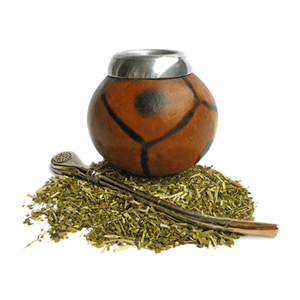
Mate [mah-tey], also known as chimarrão or cimarrón, is a traditional South American infused drink particularly popular in Argentina. It is prepared by steeping dried leaves of the yerba mate plant in hot water. Mate is served with a metal straw, called a bombilla, from a hollow calabash gourd, called a mate.
As with other brewed herbs, yerba mate leaves are dried, chopped, and ground into a powdery mixture called yerba. The bombilla acts as both a straw and a sieve. The submerged end is flared, with small holes or slots that allow the brewed liquid in, but block the chunky matter that makes up much of the mixture.
read more »
Posted in Drugs, Food, World |
Leave a Comment »
August 12, 2010
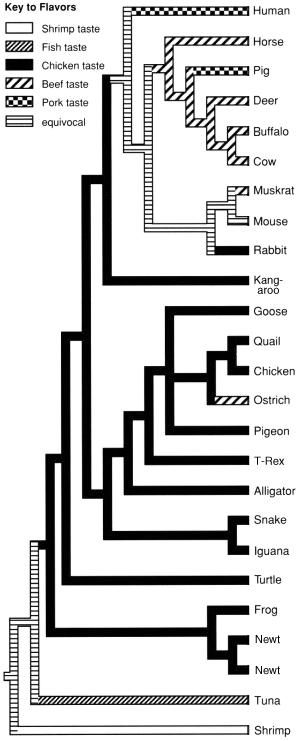
Umami [oo-mah-mee], also referred to as savoriness, has been proposed as one of the basic tastes sensed by specialized receptor cells present on the human and animal tongue. Umami is a loanword from Japanese meaning ‘good flavor’ or ‘good taste.’ In English, however, ‘brothy,’ ‘meaty,’ or savory’ have been proposed as alternative translations. Inasmuch as it describes the flavor common to savory products such as meat, cheese, and mushrooms, umami is similar to French gastronome Brillat-Savarin’s concept of osmazome, an early attempt to describe the main flavoring component of meat as extracted in the process of making stock.
The umami taste is due to the detection of the carboxylate anion of glutamic acid, a naturally occurring amino acid common in meat, cheese, broth, stock, and other protein-heavy foods. Salts of glutamic acid, known as glutamates, easily ionize to give the same carboxylate form and therefore the same taste. For this reason, they are used as flavor enhancers. The most commonly used of these is monosodium glutamate (MSG).
Posted in Food, Science, World |
Leave a Comment »
August 10, 2010


The custom of drinking beer from a boot-shaped glass is common in German themed bars, beer gardens, and the like. Machine pressed beer boots range in size from a shot glass up to 1 litre. The more popular mouth blown beer boots are typically 1 and 2 litres in size.
There are several different origin stories for the boot of beer. One tradition holds that a Prussian general swore to his troops that he would drink beer from his boot dependent on the successful outcome in a coming battle. When victorious, the general ordered a glass fashioned in the shape of a boot to fulfill his promise without, ‘having to taste his own feet.’ Another tradition holds that the boot began when German soldiers during World War I having nothing else to drink from instead passed around an actual leather boot of beer before heading into battle. They would flick the boot before drinking from it for good luck and again after drinking to wish the next soldier good luck.
Posted in Food, Humor, World |
Leave a Comment »
August 9, 2010
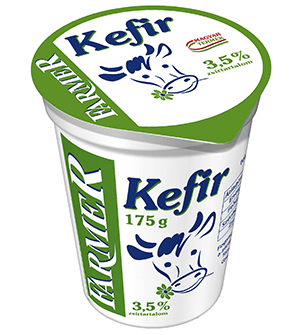
Kefir [kuh-feer] is a fermented milk drink that originated with shepherds of the Caucasus region, who discovered that fresh milk carried in leather pouches would occasionally ferment into an effervescent beverage.
It is prepared by inoculating cow, goat, or sheep’s milk with kefir grains (a combination of bacteria and yeasts in a matrix of proteins, lipids, and sugars). Traditional kefir was made in skin bags that were hung near a doorway; the bag would be knocked by anyone passing through the doorway to help keep the milk and kefir grains well mixed. Dairy-free alternatives are available, such as coconut milk kefir and soy milk kefir.
Posted in Food, World |
Leave a Comment »
August 9, 2010
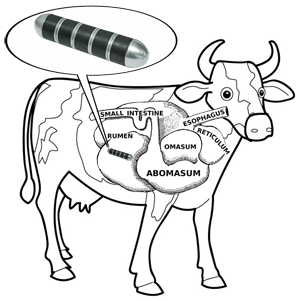
A cow magnet is a preventive veterinary medical device for cattle. A rancher or dairy farmer feeds a magnet to each calf at branding time; the magnet settles in the rumen or reticulum and remains there for the life of the animal. When the cow grazes, it often consumes and swallows what is called tramp iron: baling and barbed wire, staples, nails, and other metallic objects.
These objects are indigestible and would lodge in the reticulum and cause inflammation resulting in lower milk production (for dairy cattle) or lower weight gain (for feeder stock). This condition is called hardware disease. The cow magnet attracts such objects and prevents them from becoming lodged in the animal’s tissue. While the resultant mass of iron remains in the cow’s rumen as a sort of bezoar, it does not cause the severe problems of hardware disease.
Posted in Food, Technology |
1 Comment »
August 5, 2010
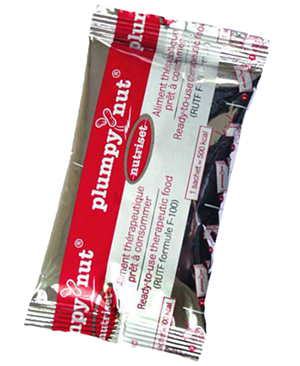
Plumpy’nut is a peanut-based food for use in famine relief which was formulated in 1999 by André Briend, a French paediatric nutritionist. The product is a high protein and high energy peanut-based paste in a foil wrapper. It tastes slightly sweeter than peanut butter. It is categorized by the WHO as a Ready-to-Use Therapeutic Food (RUTF). Plumpy’nut requires no water preparation or refrigeration and has a 2 year shelf life making it easy to deploy in difficult conditions to treat severe acute malnutrition. It can be used as a replacement for infant formula for children who are at least 6 months old.
Plumpy‘nut was first used during the crisis in Darfur in western Sudan. There, it was fed to some 30,000 children and aid officials there say it has helped cut malnutrition rates in half. It has since been used by the UN and humanitarian organizations in Niger, Haiti, and many other countries.
Posted in Food, Health, World |
Leave a Comment »





 The Daily Omnivore