August 5, 2010


Blindekuh are two restaurants where patrons are served in the dark. The restaurants are located in Basel and Zürich, Switzerland. The name is derived from ‘Blinde Kuh’ (blind cow), the German name for blind man’s bluff. No lights are allowed inside a Blindekuh. Patrons are served by blind and visually impaired people. Both locations offer cultural events such as readings or concerts in the dark.
The first Blindekuh, opened on September 17, 1999 and is claimed to be the world’s first dark restaurant. The concept has subsequently been replicated elsewhere, including in London, Paris, Sydney, Amsterdam, Tel Aviv and Beijing as restaurants and multiple cities in the United States. Some dark restaurants supply night vision equipment to the wait staff.
Posted in Art, Food |
Leave a Comment »
August 2, 2010
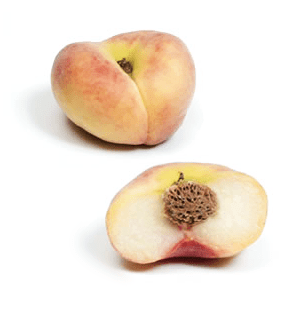
Saturn peaches are a variety of peach with white flesh and a flat shape first introduced into the U.S. from China in 1869. They are smaller and sweeter than most peach varieties. They are known by many other names, including doughnut peach, paraguayo peach, pan tao peach, and saucer peach.
Posted in Food |
Leave a Comment »
August 1, 2010
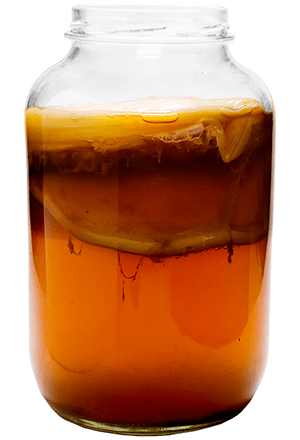
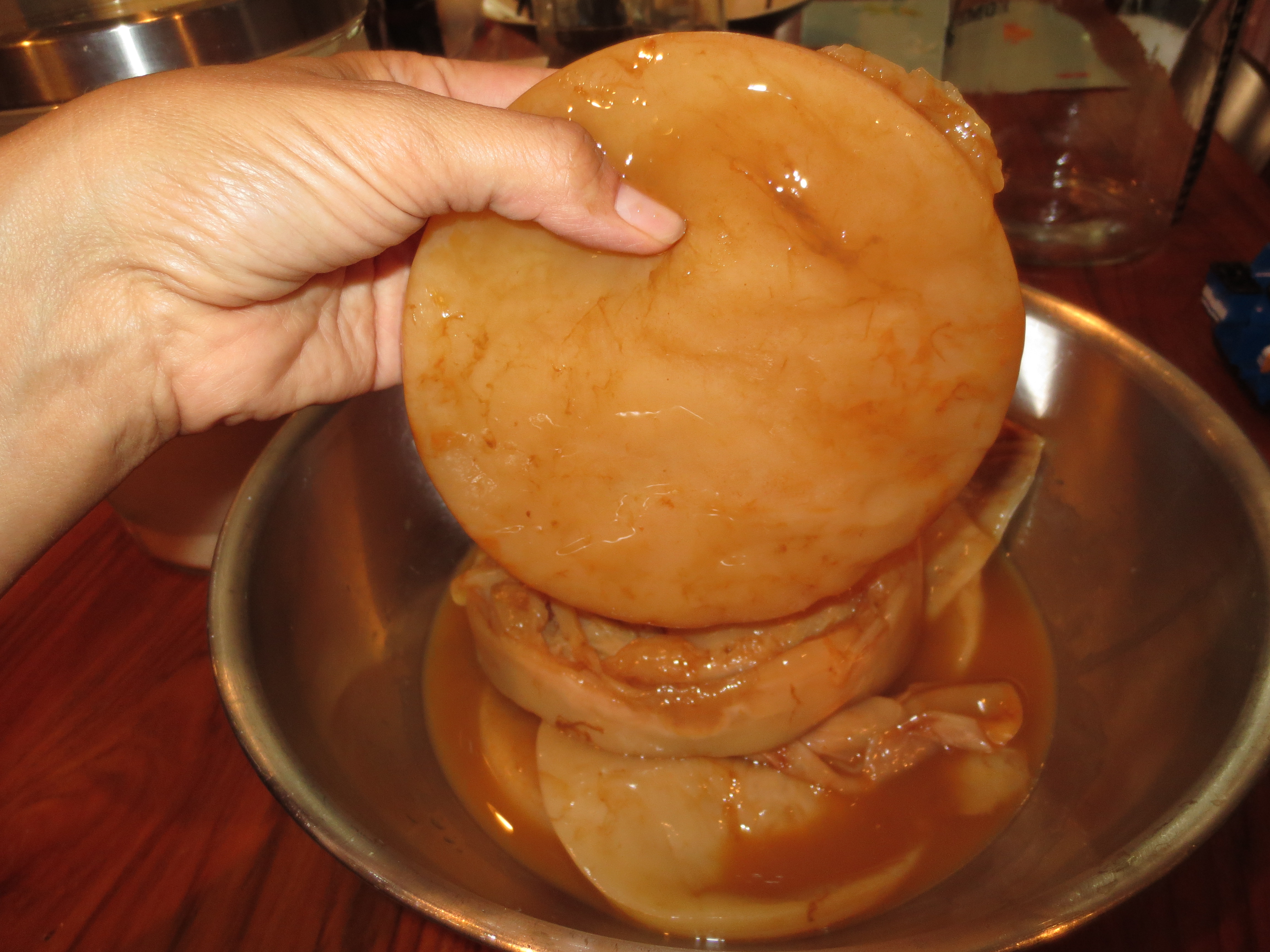
Kombucha [kawm-boo-chah] is a fermented tea that is often drunk for medicinal purposes. There is limited scientific information supporting any health benefit and few studies are being conducted. Kombucha is available commercially and can be made at home by fermenting tea using a visible, solid mass of yeast and bacteria which forms the kombucha culture which is often referred to as the ‘mushroom’ or the ‘mother.’
The recorded history of kombucha began in Russia during the late 19th century. In Chinese, kombucha is called hongchajun (red tea fungus). In Japanese, the drink is known as kōcha kinoko (black tea mushroom). Some promotional kombucha sources propagate the legend that this tea-based beverage originated in ancient China or Japan centuries prior to knowledge of leaf-based teas. There is little historical evidence to support this claim.
Posted in Food, Health |
Leave a Comment »
August 1, 2010
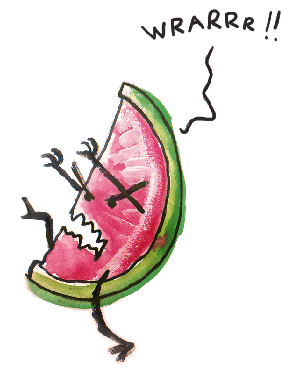
Vampire pumpkins and watermelons are a folk legend from the Balkans. The story is associated with the Roma people of the region, from whom much of traditional vampire folklore originate. The belief in vampire fruit is similar to the belief that any inanimate object left outside during the night of a full moon will become a vampire. According to tradition, watermelons or any kind of pumpkin kept more than ten days or after Christmas will become a vampire, rolling around on the ground and growling to pester the living. People have little fear of the vampire pumpkins and melons because of the creatures’ lack of teeth.
Posted in Food, Humor, Philosophy |
Leave a Comment »
August 1, 2010
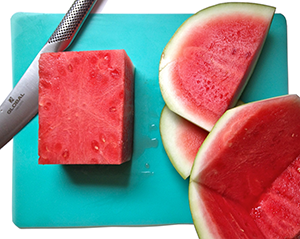
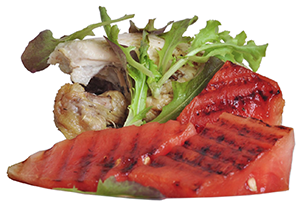
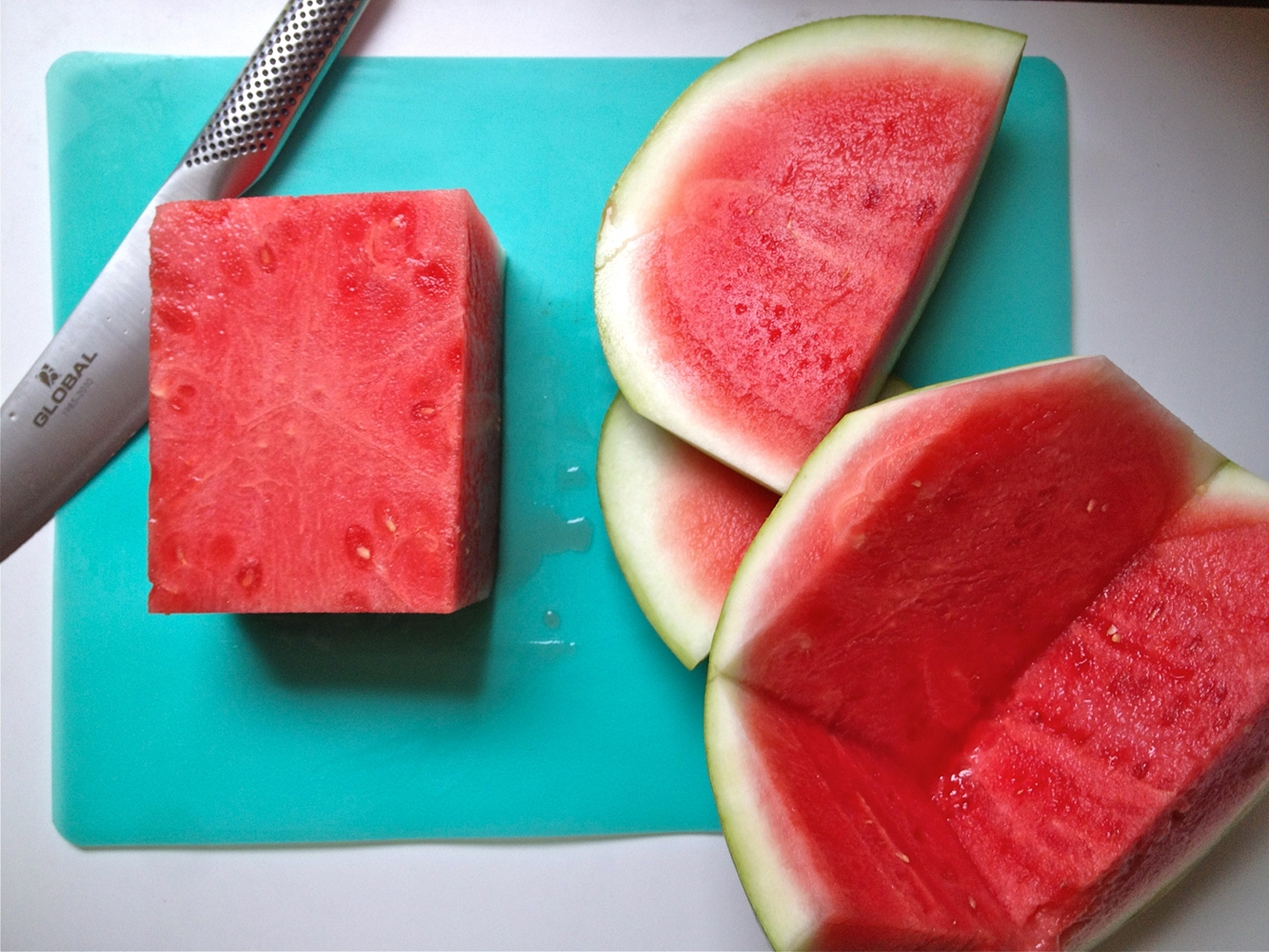
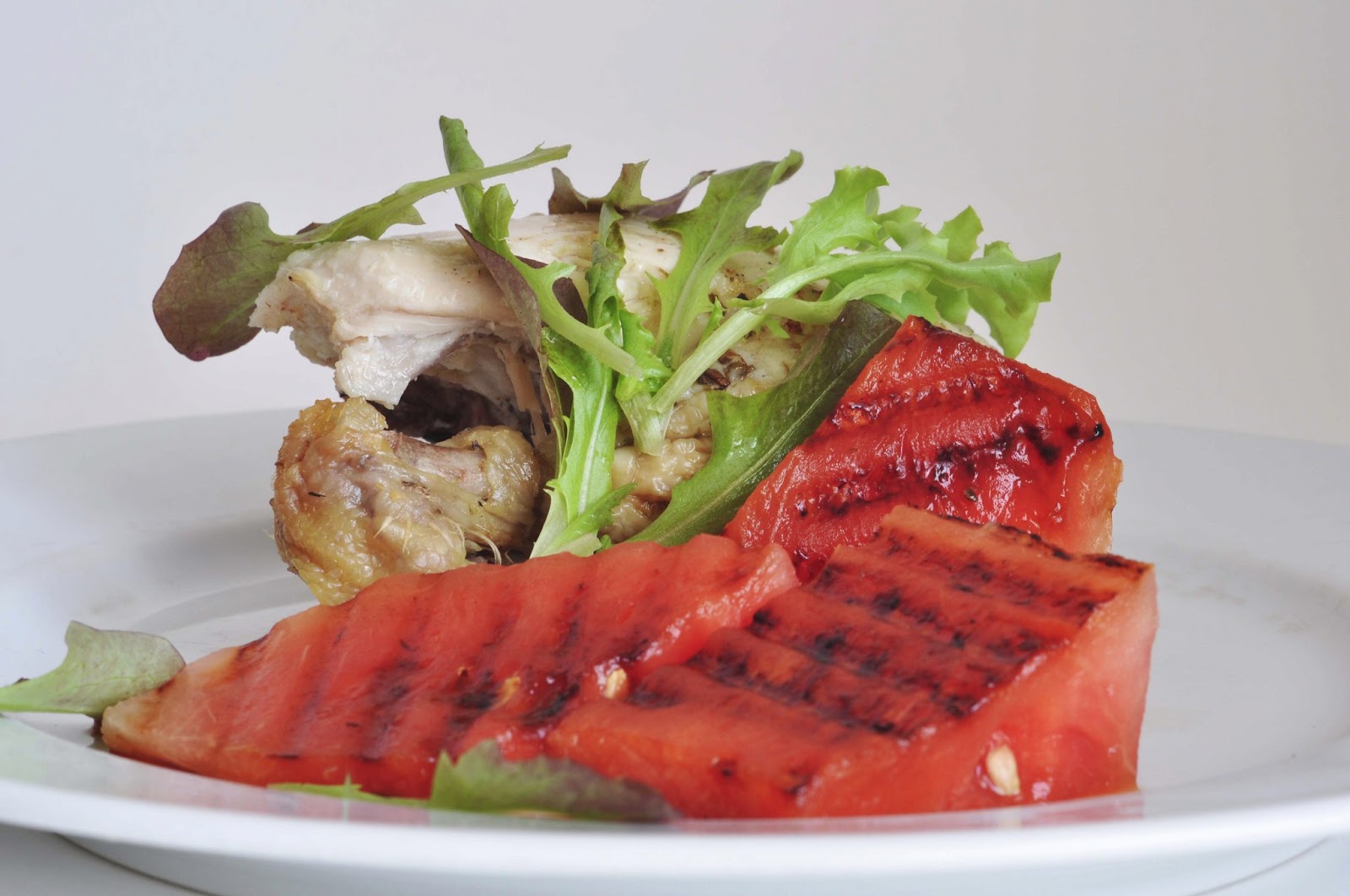
Watermelon steak is a grilled piece of watermelon. Some who have tried it compare its texture to that of seared beef or tuna, while others claim it is unique in its taste and texture.
Posted in Food |
Leave a Comment »
August 1, 2010

Salty liquorice, salmiak or salmiakki is a variety of liquorice that contains a relatively large amount of ammonium chloride (salmiac) in addition to the liquorice root extract, sugar, and starch or gum arabic that constitute normal liquorice. Ammonium chloride has a spicy taste that vaguely resembles that of sodium chloride (table salt). However, salty liquorice does not necessarily contain any sodium.
Although some types of regular liquorice can also contain a small amount of ammonium chloride, salty liquorice can contain up to about 8 percent of ammonium chloride. Moreover, the salty taste is typically less masked by a high sugar content compared to regular liquorice. Salty liquorice candies are almost always black or very dark brown and can range from very soft to very hard and may be brittle. The other colors used are white and variants of grey.
Posted in Food, World |
Leave a Comment »
July 22, 2010

Roundup is the brand name of a herbicide produced by Monsanto that contains the active ingredient glyphosate. Glyphosate is the most used herbicide in the USA, and Roundup has been the number one selling herbicide worldwide since at least 1980. Several weed species, known as superweeds, have developed Roundup resistance largely because of repeated exposure.
Monsanto also produces seeds which grow into plants genetically engineered to be tolerant to glyphosate, which are known as Roundup Ready crops. The genes contained in these seeds are patented. Soy was the first Roundup Ready crop, and was produced at Monsanto’s Agracetus Campus located in Middleton, Wisconsin in 1996. As of 2005, 87% of U.S. soybean fields were planted with glyphosate resistant varieties. The Roundup Ready line of seeds has grown to include corn, canola, cotton, and other crops. The latest iteration is Roundup Ready Corn 2.
Posted in Food, Money, Science |
Leave a Comment »
July 22, 2010
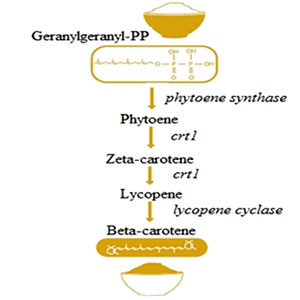
Golden rice is a variety of rice produced through genetic engineering to biosynthesize beta-carotene, a precursor of pro-vitamin A in the edible parts of rice. The scientific details of the rice were first published in Science in 2000. Golden rice was developed as a fortified food to be used in areas where there is a shortage of dietary vitamin A. In 2005 Syngenta, a biotechnology company announced a new variety called Golden Rice 2 which produces up to 23 times more beta-carotene than the original variety.
Neither variety is currently available for human consumption. Although golden rice was developed as a humanitarian tool, it has met with significant opposition from environmental and anti-globalization activists.
Posted in Food, Health, Science |
Leave a Comment »
July 22, 2010
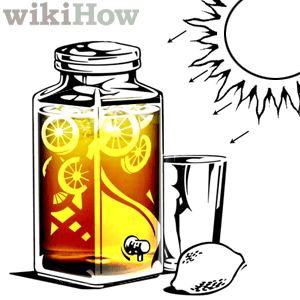
Unsweetened iced tea is sometimes made by a particularly long steeping of tea leaves at lower temperature (one hour in the sun versus 5 minutes at 80-100°C). Some people call this ‘sun tea.’
In addition, sometimes it is also left to stand overnight in the refrigerator. Sun tea is easy to make, but can be toxic if not made carefully. If there are ropy-looking strands in the tea, or any other unusual-looking particles, or if the tea looks thick or syrupy chances are it has become a bacterial hotbed. A very clean container (including the spigot if there is one) and a caffeinated tea will deter bacterial growth for a few hours. Sun tea should be discarded after that period.
Posted in Food |
Leave a Comment »
July 20, 2010
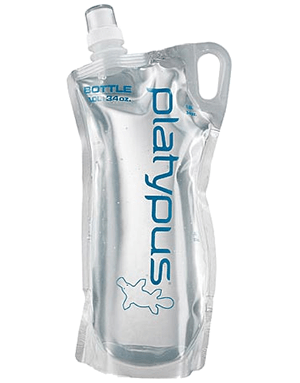
Platypus is a brand of water bottles made by Cascade Designs. Compared to a hard bottle of equal volume, they weigh 80% less and take up a mere one fifth of the space when empty. The bottles can be frozen and used as ice packs or boiled to sterilize their contents.
Posted in Food, Technology |
Leave a Comment »
July 11, 2010
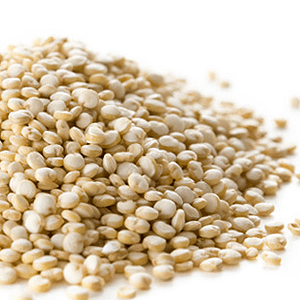
Quinoa [keen-wah] is a grain-like crop originating from the Andean region of South America, where it has been an important food for 6,000 years. It is a pseudocereal rather than a true cereal, or grain because it is not a member of the grass family. Quinoa is closely related to species such as beets, spinach, and tumbleweeds, and is grown primarily for its edible seeds, although its leaves are also edible.
Quinoa has become highly appreciated for its nutritional value, as its protein content is very high (12%–18%). Unlike wheat or rice (which are low in lysine), quinoa contains a balanced set of essential amino acids for humans, making it an unusually complete protein source among plant foods.
Posted in Food, Health, World |
Leave a Comment »
July 11, 2010

Succotash is an Algonquin word for a dish of boiled corn and lima beans. Because of the relatively inexpensive and more readily available ingredients, the dish was popular during the Great Depression in the United States. It was sometimes cooked in a casserole form, often with a light pie crust on top as in a traditional pot pie. Succotash is a traditional dish of many Thanksgiving celebrations in New England as well as in Pennsylvania and other states. In some parts of the American South, any mixture of vegetables prepared with lima beans and topped with lard or butter is called succotash.
Posted in Food |
Leave a Comment »


 The Daily Omnivore