June 23, 2011


A sugar substitute is a food additive that duplicates the effect of sugar in taste, usually with less food energy. Some sugar substitutes are natural and some are synthetic. Those that are not natural are, in general, called artificial sweeteners.
Animal studies have indicated that a sweet taste induces an insulin response in rats. The release of insulin causes blood sugar to be stored in tissues (including fat). In the case of a response to artificial sweeteners, because blood sugar does not increase there can be increased hypoglycemia (low blood sugar) and increased food intake the next time there is a meal. Rats given sweeteners have steadily increased calorie intake, increased body weight, and increased adiposity (fatness).
read more »
Posted in Food, Health, Technology |
Leave a Comment »
June 22, 2011

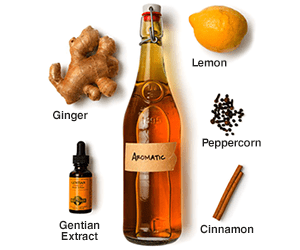
A bitters is an alcoholic beverage that is flavored with herbal essences and has a bitter or bittersweet flavor. There are numerous brands of bitters that were formerly marketed as patent medicines (tonics and elixirs) but are now considered to be digestifs (an after dinner drink intended to aid in digestion), rather than medicines. Bitters are 45% alcohol by volume.
Common ingredients in bitters include cascarilla, cassia, gentian, orange peel, and quinine from Cinchona bark (grown in Peru and Indonesia). The flavor of Angostura bitters, Suze and Peychaud’s Bitters derives primarily from gentian, a bitter herb. Bitters are prepared by infusion or distillation, using aromatic herbs, bark, roots, and/or fruit for their flavor and medicinal properties.
read more »
Posted in Drugs, Food, Health |
Leave a Comment »
June 21, 2011
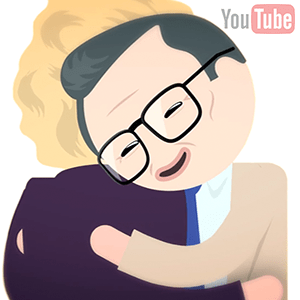
Clive Wearing (b. 1938) is a British musician and musicologist suffering from an acute and long-lasting case of anterograde and retrograde amnesia. Specifically, this means he lacks the ability to form new memories, dubbed the ‘memento’ syndrome by laypeople and the media, after a film of the same name based on the subject.
Clive Wearing is an accomplished musician, and is known for editing the works of composer, Orlande de Lassus. Wearing sang at Westminster Cathedral as a tenor lay clerk for many years and also had a successful career as a chorus master and worked as such at Covent Garden and the London Sinfonietta Chorus. In 1968 he founded the Europa Singers of London, an amateur choir specialising in music of the 17th, 18th and 20th centuries. It won critical approval especially for performances of the Monteverdi Vespers.
read more »
Posted in Art, Health |
Leave a Comment »
June 21, 2011
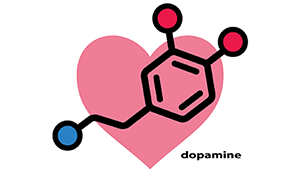
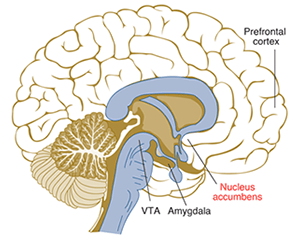
The nucleus [noo-klee-uhs] accumbens [uh-cum-benz] is a collection of neurons within the striatum, a component of the forebrain (prosencephalon). It is thought to play an important role in reward, pleasure, laughter, addiction, aggression, fear, and the placebo effect.
Each half of the brain has one nucleus accumbens, which, along with the olfactory tubercle collectively form the ventral striatum, which is part of the basal ganglia, part of the cerebrum vital to movement. The nucleus accumbens plays a role in rhythmic timing and is considered to be of central importance to the limbic-motor interface.
read more »
Posted in Drugs, Health, Sex |
Leave a Comment »
June 20, 2011

Sexual anorexia is a term used to describe a loss of ‘appetite’ for romantic-sexual interaction. However, the term is used broadly and can be better defined as a fear of intimacy to the point that the person has severe anxiety surrounding sex with emotional content i.e. in an intimate relationship. The concept was first mentioned by psychologist Nathan Hare in 1975.
The term also applies to individuals who appear to have a sexual addiction which is expressed through a variety of behaviors such as the compulsive use of strip clubs, prostitutes,internet porn sites, etc. but more accurately fit the definition of sexual anorexic in that they seem to lack the ability to have a relationship of a sexual nature beyond a paid-for or anonymous experience.
read more »
Posted in Health, Sex |
Leave a Comment »
June 16, 2011

The sun protection factor of a sunscreen is a laboratory measure of the effectiveness of sunscreen — the higher the SPF, the more protection a sunscreen offers against UV-B (the ultraviolet radiation that causes sunburn); it does not measure UV-A (the radiation that causes cancer).
The SPF is the amount of UV radiation required to cause sunburn on skin with the sunscreen on. Sunscreen in general is proven to slow the aging of skin, but not prevent skin cancer.
read more »
Posted in Health, Science |
Leave a Comment »
June 15, 2011

Synesthesia [sin-uhs-thee-zhuh] is a condition where the brain mixes up the senses (e.g. sounds can have ‘colors,’ images can have ‘odors,’ etc.). People who have synesthesia are called synesthetes. Synesthesia is usually inherited (called congenital synesthesia), but exactly how people inherit it is unknown.
Synesthesia is sometimes reported by people using psychedelic drugs, after a stroke, or during an epileptic seizure. It is also reported to be a result of blindness or deafness. Synesthesia that comes from events unrelated to genes is called adventitious synesthesia. This synesthesia results from some drugs or a stroke but not blindness or deafness. It involves sound being linked to vision or touch being linked to hearing.
read more »
Posted in Art, Health, Science |
Leave a Comment »
June 14, 2011
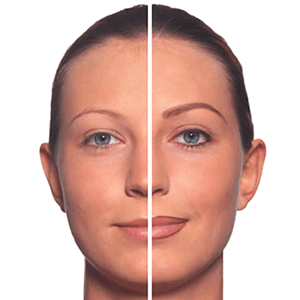
Permanent makeup is a cosmetic technique which employs tattoos (permanent pigmentation of the dermis) as a means of producing designs that resemble makeup, such as eyelining and other permanent enhancing colors to the skin of the face, lips, and eyelids.
It is also used to produce artificial eyebrows, particularly in people who have lost them as a consequence of old age, disease, such as alopecia, chemotherapy, or a genetic disturbance, and to disguise scars and white spots in the skin such as in vitiligo. It is also used to restore or enhance the breast’s areola, such as after breast surgery.
read more »
Posted in Art, Health |
Leave a Comment »
June 14, 2011


Recovery International (often referred to simply as Recovery) is a mental health, self-help organization founded in 1937 by neuropsychiatrist Abraham Low in Chicago. Recovery’s program is based on self-control, self-confidence, and increasing one’s determination to act.
Recovery deals with a range of people, all of whom have difficulty coping with everyday problems, whether or not they have a history of psychiatric hospitalization. It is non-profit, secular, and although it uses methods devised by Low, most groups are currently led by experienced non-professionals.
read more »
Posted in Health |
Leave a Comment »
June 8, 2011


Cognitive behavioral therapy (CBT) is a psychotherapeutic approach, a talking therapy, that aims to solve problems concerning dysfunctional emotions, behaviors and cognitions through a goal-oriented, systematic procedure. The title is used in diverse ways to designate behavior therapy, cognitive therapy, and to refer to therapy based upon a combination of basic behavioral and cognitive research.
There is empirical evidence that CBT is effective for the treatment of a variety of problems, including mood, anxiety, personality, eating, substance abuse, and psychotic disorders. Some clinicians and researchers are more cognitive oriented (e.g. cognitive restructuring), while others are more behaviorally oriented (in vivo exposure therapy). Other interventions combine both (e.g. imaginal exposure therapy).
read more »
Posted in Health, Science |
Leave a Comment »
June 8, 2011

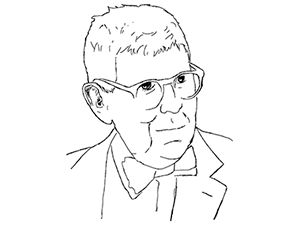
Cognitive therapy (CT) is a type of psychotherapy developed by American psychiatrist Aaron T. Beck. CT is one of the therapeutic approaches within the larger group of cognitive behavioral therapies (CBT) and was first expounded by Beck in the 1960s.
Cognitive therapy seeks to help the patient overcome difficulties by identifying and changing dysfunctional thinking, behavior, and emotional responses. This involves helping patients develop skills for modifying beliefs, identifying distorted thinking, relating to others in different ways, and changing behaviors. Treatment is based on collaboration between patient and therapist and on testing beliefs. Therapy may consist of testing the assumptions which one makes and identifying how certain of one’s usually unquestioned thoughts are distorted, unrealistic and unhelpful. Once those thoughts have been challenged, one’s feelings about the subject matter of those thoughts are more easily subject to change.
read more »
Posted in Health, Science |
1 Comment »
June 8, 2011

Behavior therapy (or behavior modification) is an approach to psychotherapy based on behaviorism which aims to treat psychopathology through techniques designed to reinforce desired and eliminate undesired behaviors. Precursors of certain fundamental aspects of behavior therapy have been identified in various ancient philosophical traditions, particularly Stoicism.
While the modern behavior therapist deliberately applies principles of learning to this therapeutic operations, empirical behavior therapy is probably as old as civilization – if we consider civilization as having begun when man first did things to further the well-being of other men. From the time that this became a feature of human life there must have been occasions when a man complained of his ills to another who advised or persuaded him of a course of action. In a broad sense, this could be called behavior therapy whenever the behavior itself was conceived as the therapeutic agent.
read more »
Posted in Health, Science |
Leave a Comment »


 The Daily Omnivore