August 17, 2010
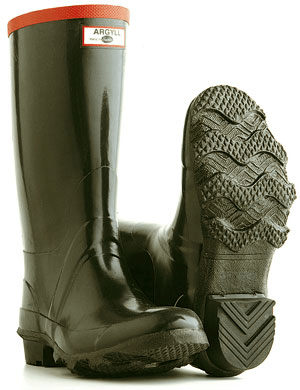
The Wellington boot, also known as wellys, gumboots, or muckboots are a type of boot based upon leather Hessian boots. It was worn and popularised by Arthur Wellesley, 1st Duke of Wellington. The boot then became a fashionable style emulated by the British aristocracy in the early 19th century. Wellington boots are waterproof and are most often made from rubber or polyvinyl chloride (PVC). They are generally just below knee-high. Wellington boots are used in many commercial and industrial settings including chemical plants, food processing plants, hospital operating rooms, and dust-free clean rooms for electronics manufacture.
Hunter Boot is a major rubber wellington boot and footwear designer. The company manufactured vulcanized rubber products in Scotland for over 150 years but now sources product exclusively in China. Besides rubber boots, the company also produces other products such as bags, socks and other related accessories, and historically has been involved in the manufacture of tires, conveyor belts, combs, golf balls, hot water bottles and rubber flooring. The Hunter Boot company was the oldest manufacturer of rubber boots in the UK, and the ubiquitous Green Welly is its best known product, but the French Argyll welly pre-dates it.
Posted in Money, Technology |
Leave a Comment »
August 17, 2010
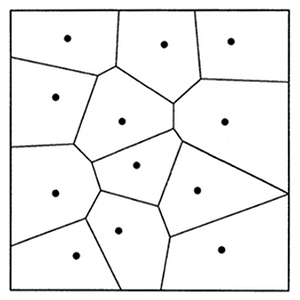
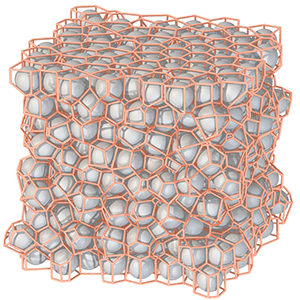
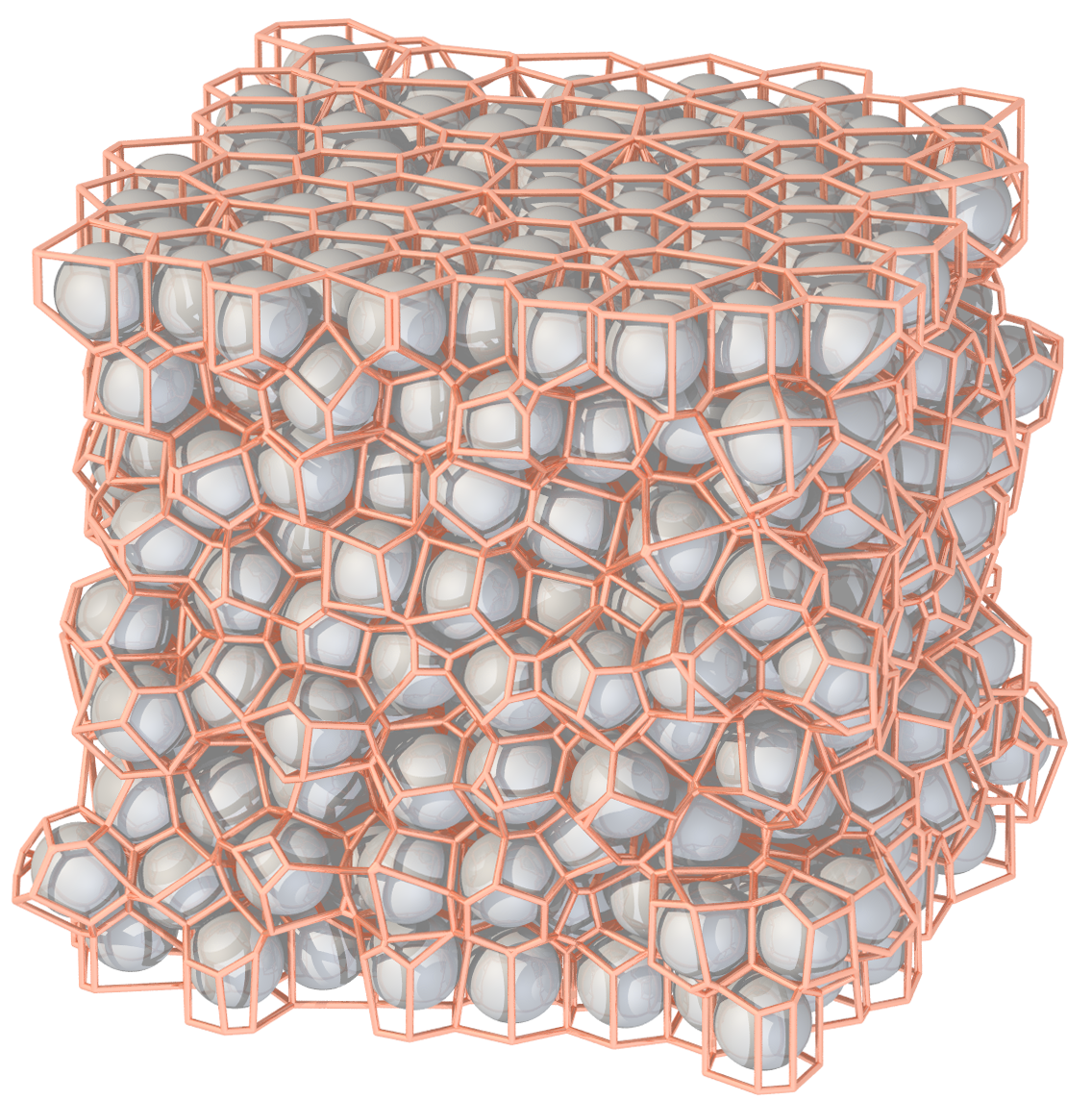
A Voronoi diagram partitions a geometric object into cells, each of which consists of the points closer to one particular object than to any others. They were considered as early at 1644 by René Descartes, but Georgy Voronoy (1868-1908) extended the investigation to higher dimensions in the 19th century.
These diagrams are useful in modeling crystal and cell growth as well as protein molecule volume analysis. They also are used in computer graphics, epidemiology, geophysics, and meteorology. A particularly notable use of a Voronoi diagram was the analysis of the 1854 cholera epidemic in London, in which physician John Snow determined a strong correlation of deaths with proximity to a particular (and infected) water pump on Broad Street.
Posted in Science, Technology |
Leave a Comment »
August 17, 2010

The Whole Earth Catalog was an American counterculture catalog published by Stewart Brand between 1968 and 1972, and occasionally thereafter, until 1998. Although the WECs listed all sorts of products for sale (clothing, books, tools, machines, seeds — anything for a self-sustainable ‘hippie’ lifestyle) the Whole Earth Catalogs themselves did not sell any of the products.
Instead the vendors and their prices were listed right alongside with the items. This led to a need for the Catalogs to be frequently updated. Apple Inc. founder and entrepreneur Steve Jobs has described the Catalog as the conceptual forerunner of the World Wide Web, stating that it was, ‘sort of like Google in paperback form, 35 years before Google came along.’
Posted in Money |
1 Comment »
August 17, 2010
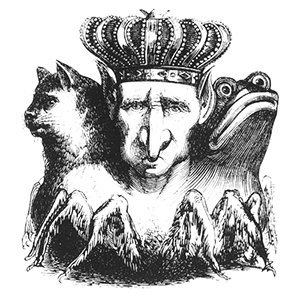
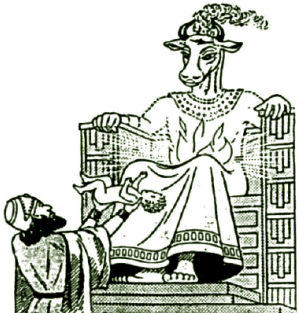
Baal [bahl] is one of the seven princes of Hell. He is mentioned widely in the Old Testament as the primary pagan idol of the Phoenicians, often associated with the heathen goddess Ashtaroth. Baal means ‘The Lord.’ Baal is the son of the god Dagan, another Semitic Cannonite god. While his Semitic predecessor was depicted as a man or a bull, the demon Baal was said to appear in the forms of a man, cat, toad, or combinations thereof.
The idea of Baal as a demon was created when Christianity turned ancient gods into demons and demonology divided the demonic population of Hell in several hierarchies. Baal, the Semitic god, did not escape, becoming a separate entity from Beelzebub. During the English Puritan period, Baal was either compared to Satan or considered his main assistant.
Posted in Philosophy, World |
Leave a Comment »
August 17, 2010
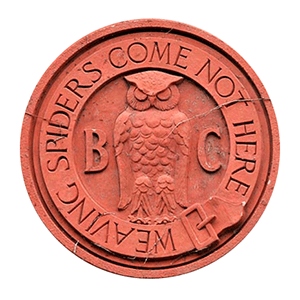
Bohemian Grove is a 2,700-acre campground located at 20601 Bohemian Avenue, in Monte Rio, California, belonging to a private San Francisco-based men’s art club known as the Bohemian Club. In mid-July each year, Bohemian Grove hosts a three-week encampment of some of the most powerful men in the world. The Club motto is ‘Weaving Spiders Come Not Here,’ which implies that outside concerns and business deals are to be left outside.
The Grove is particularly famous for a Manhattan Project planning meeting that took place there in September 1942, which subsequently led to the atomic bomb. Those attending this meeting, apart from Ernest Lawrence and military officials, included the president of Harvard and representatives of Standard Oil and General Electric. Grove members take particular pride in this event and often relate the story to new attendees.
Posted in Money, Politics |
1 Comment »
August 17, 2010
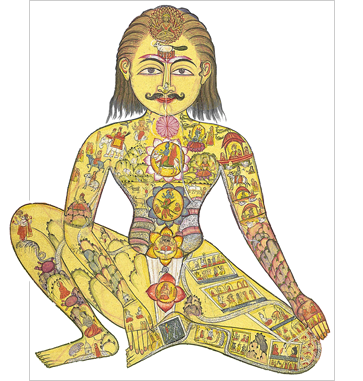
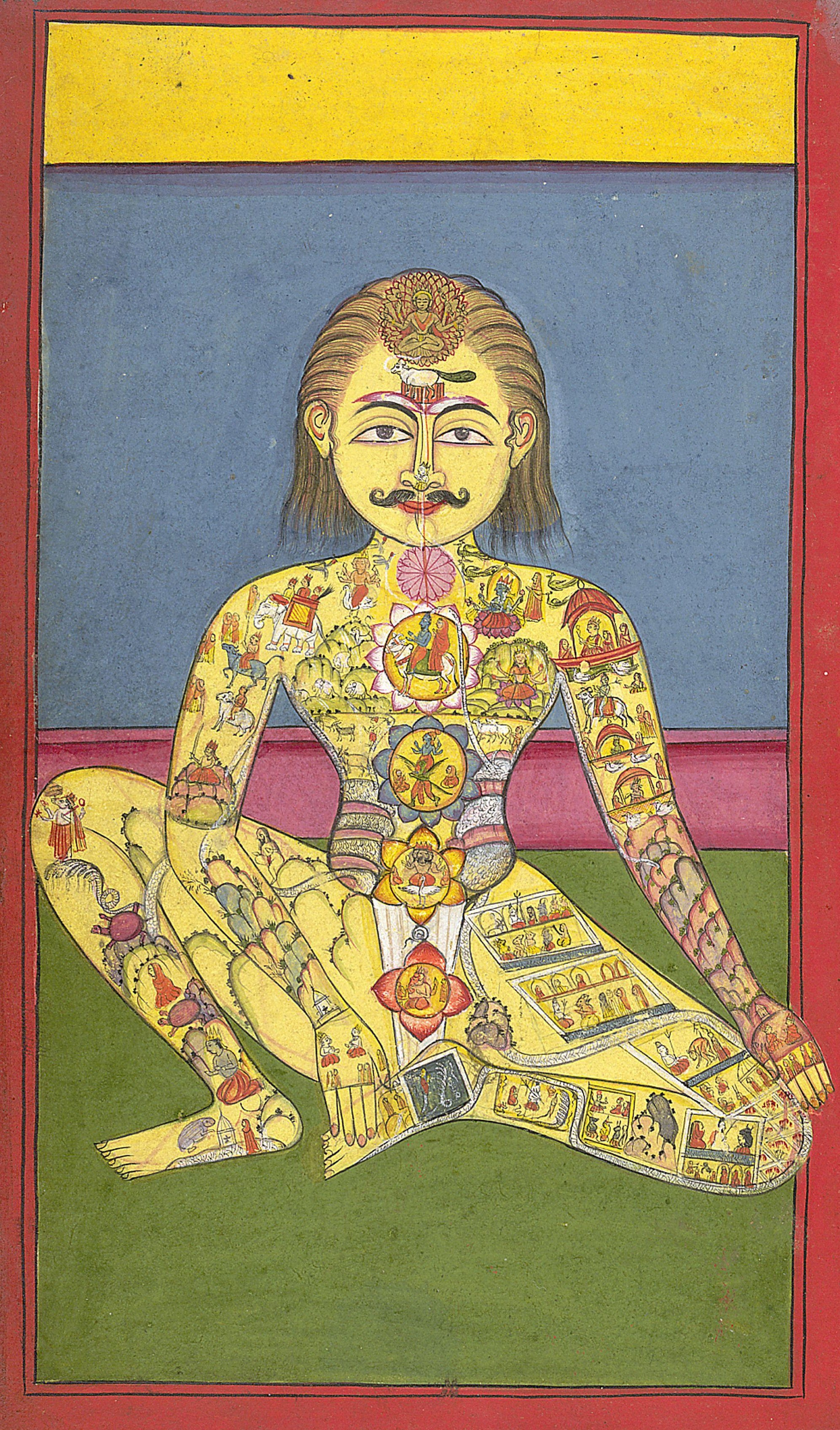
According to various esoteric, occult, and mystical teachings, living beings are constituted of a series of psycho-spiritual subtle bodies, each corresponding to a subtle plane of existence, in a hierarchy or great chain of being that culminates in the physical form. It is known in different spiritual traditions; ‘the most sacred body’ and ‘supracelestial body’ in Sufism, ‘the diamond body’ in Taoism, and ‘the light body’ or ‘rainbow body’ in Buddhism.
Clairvoyants sometimes say that they can see the subtle bodies as an aura. The practice of astral projection is supposed to involve the separation of the subtle body from the physical, but the existence of subtle bodies is unconfirmed by the mainstream scientific community.
Posted in Philosophy |
Leave a Comment »
August 16, 2010
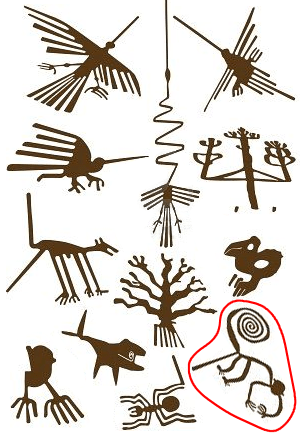
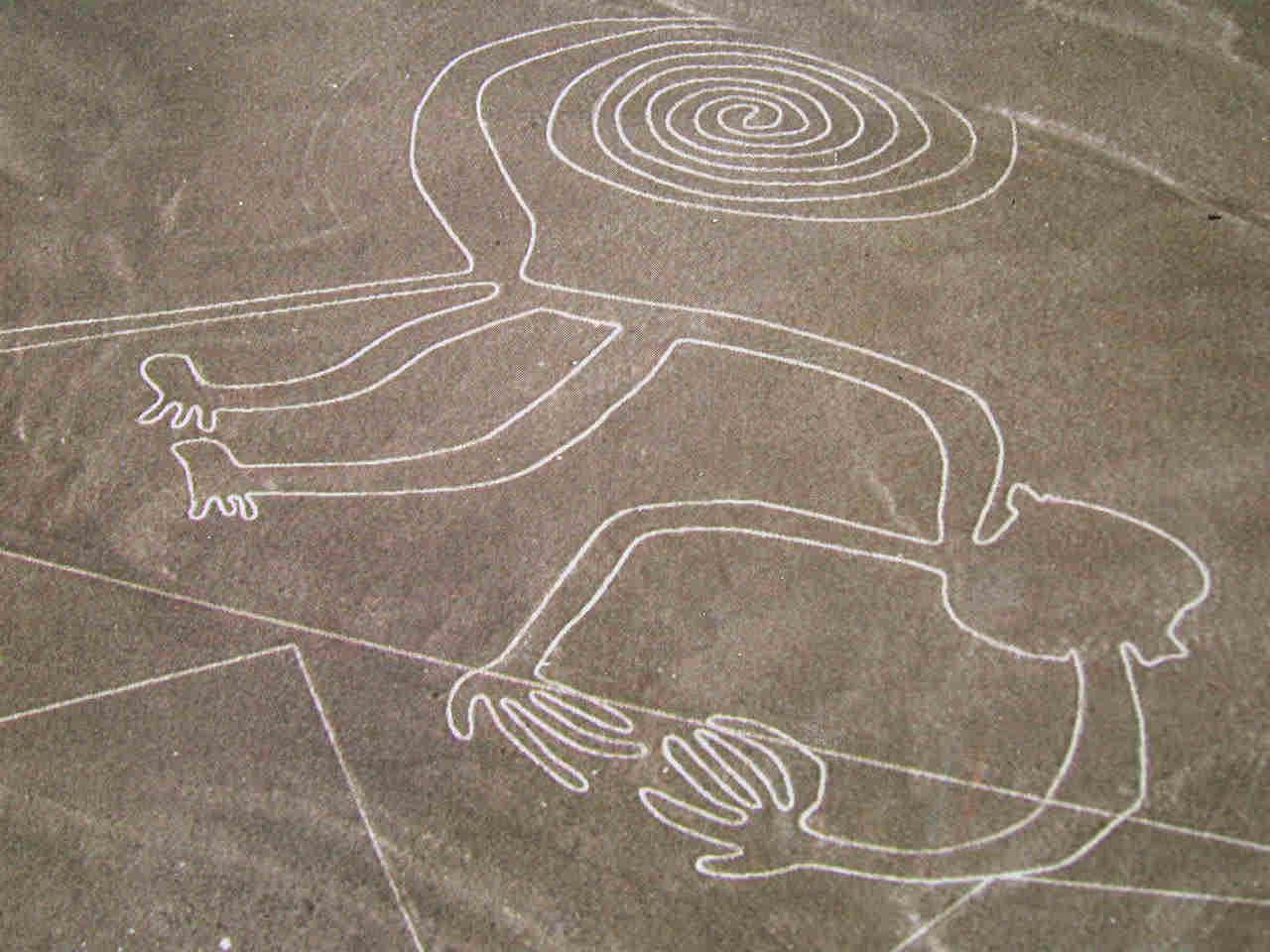
The Nazca Lines are a series of ancient geoglyphs located in the Nazca Desert of Peru. They have been designated a UNESCO World Heritage Site. Scholars believe the Nazca Lines were created by the Nazca culture between 400 and 650 AD. The hundreds of individual figures range in complexity from simple lines to stylized hummingbirds, spiders, monkeys, fish, sharks or orcas, llamas, and lizards.
The lines are shallow designs made in the ground by removing the ubiquitous reddish pebbles and uncovering the whitish ground beneath. Hundreds are simple lines or geometric shapes; more than seventy are designs of animal, bird, fish or human figures. The largest figures are over 660 ft across. Scholars differ in interpreting the purpose of the designs, but they generally ascribe religious significance to them, as they were major works that required vision, planning and coordination of people to achieve.
Posted in Art, World |
Leave a Comment »
August 16, 2010

In some Native American legends, a skinwalker is a person with the supernatural ability to turn into any animal he or she desires, though they first must be wearing a pelt of the animal to be able to transform. Similar lore can be found in cultures throughout the world and is often referred to as shapeshifting by anthropologists.
Posted in Philosophy, World |
Leave a Comment »
August 16, 2010

A scramjet (supersonic combustion ramjet) is a type of jet engine in which the combustion process takes place in supersonic airflow. Both ramjets and scramjets rely on high vehicle speed to forcefully compress (ram) the incoming air, but whereas a ramjet decelerates the air to subsonic velocities before combustion, airflow in a scramjet is supersonic throughout the entire engine.
This allows the scramjet to efficiently operate at extremely high speeds: theoretical projections place the top speed of a scramjet between Mach 12 and Mach 24, which is near orbital velocity. For comparison, the fastest manned airbreathing aircraft, the SR-71 Blackbird, has a maximum speed of Mach 3.2.
Posted in Technology |
Leave a Comment »
August 16, 2010
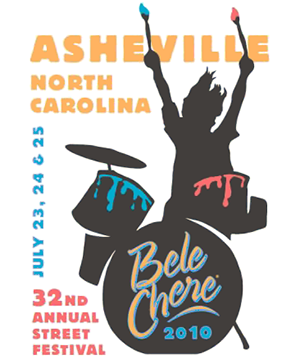
Bele Chere is an annual music and arts street festival held in downtown Asheville, North Carolina. The festival has been held annually on the last weekend in July since the late 1970s. It is the largest free festival in the Southeastern United States, attracting over 350,000 people. Displayed art covers a variety of media types including painting, photography, pottery and jewelry. A variety of music genres are represented at the festival, including Country, Blues, Folk, Mountain, Rock and Jazz .
Posted in Art |
Leave a Comment »
August 16, 2010
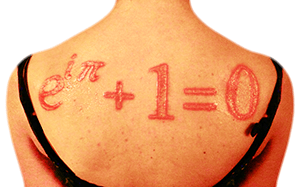
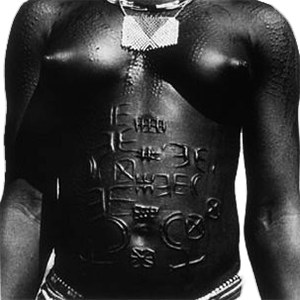
Scarification [skar-uh-fi-key-shuhn], sometimes called cicatrization, involves scratching, etching, burning, or superficially cutting designs, pictures, or words into the skin as a permanent body modification.
Posted in Art, World |
Leave a Comment »
August 16, 2010
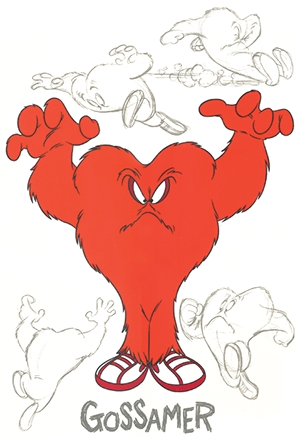
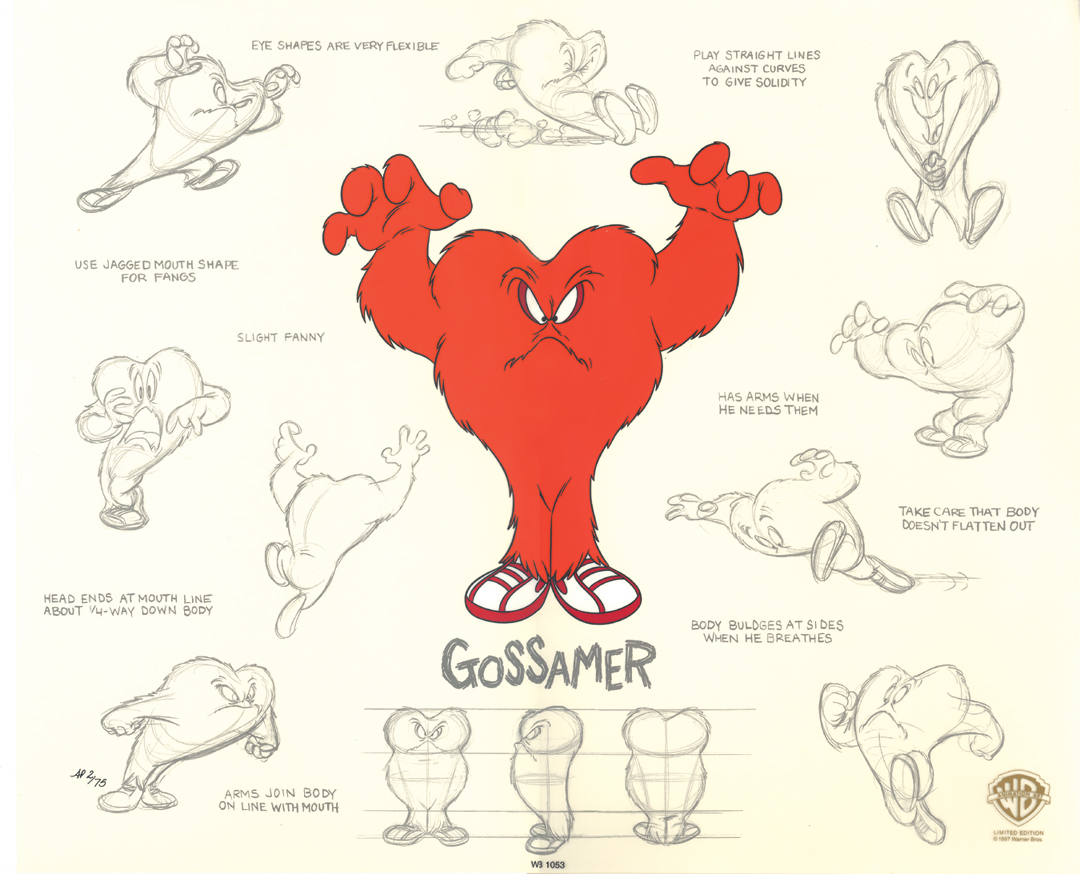
Gossamer is an animated cartoon character in the Warner Bros. Looney Tunes and Merrie Melodies series of cartoons. The character is a hairy, orange monster. His rectangular body is perched on two giant tennis shoes, and his heart-shaped face is composed of only two oval eyes and a wide mouth, with two hulking arms. The monster’s main trait, however, is bright uncombed red hair.
In fact, a gag in the 1980 short Duck Dodgers and the Return of the 24½th Century lampoons this by revealing that Gossamer is, in fact, composed entirely of hair. He was originally voiced by Mel Blanc and has been voiced by Joe Alaskey and Jim Cummings. The word ‘Gossamer’ refers to things light, delicate, or insubstantial. The name is meant to be ironic, since the character is large, menacing, and destructive.
Posted in Art, Humor |
Leave a Comment »