August 25, 2010

Ming the Merciless is a fictional character who first appeared in the Flash Gordon comic strip in 1934. He has since been the main villain of the strip and its related movie serials, TV shows and film adaptation. The capital of his empire is named ‘Mingo City’ in his honour. In addition to his army, Ming has access to a wide variety of science fiction gadgets, ranging from rocket ships to death rays to robots.
Posted in Art |
Leave a Comment »
August 25, 2010


Xenu [zee-noo] was, according to the founder of Scientology and science fiction writer L. Ron Hubbard, the dictator of the ‘Galactic Confederacy’ who, 75 million years ago, brought billions of his people to Earth in a DC-8-like spacecraft, stacked them around volcanoes and killed them using hydrogen bombs. Official Scientology dogma holds that the essences of these many people remained, and that they form around people in modern times, causing them spiritual harm.
Posted in Humor, Philosophy |
Leave a Comment »
August 25, 2010
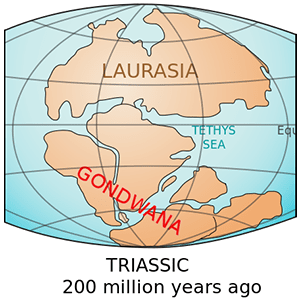
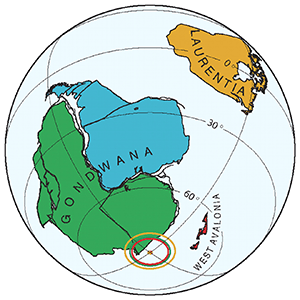
Gondwana [gond-wah-nu], originally Gondwanaland, is the name given to a southern precursor supercontinent. Its final geological suturing occurred between ca. 570 and 510 million years ago, joining East Gondwana to West Gondwana. It later separated from Laurasia 180-200 million years ago during the breakup of the Pangaea supercontinent that existed about 500 to 200 million years ago into two large segments, nearly equal in area. The continent of Gondwana was named by Austrian scientist, Eduard Suess, after the Gondwana region of central northern India
The adjective ‘Gondwanan’ is in common use in biogeography when referring to patterns of distribution of living organisms, typically when the organisms are restricted to two or more of the now-discontinuous regions that were once part of Gondwana, including the Antarctic flora. For example, the Proteaceae, a family of plants that is known only from southern South America, South Africa, and Australia are considered to have a “Gondwanan distribution”. This pattern is often considered to indicate an archaic, or relict, lineage.
Posted in Science |
Leave a Comment »
August 25, 2010
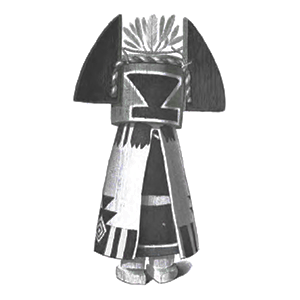
A kachina [kuh-chee-nuh] is a spirit being in the cosmology and religious practices of the Pueblo people of the southwestern U.S.. The term also refers to the kachina dancers, masked members of the tribe who dress up as kachinas for religious ceremonies, and kachina dolls, wooden dolls representing kachinas which are given as gifts to children.
A kachina can represent anything in the natural world or cosmos, from a revered ancestor to an element, a location, a quality, a natural phenomenon, or a concept. Continue reading →
Posted in Philosophy, World |
Leave a Comment »
August 24, 2010
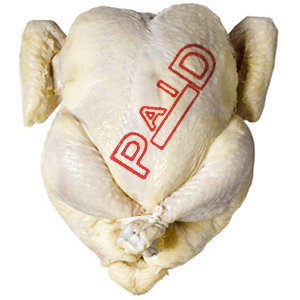
The so-called Chicken tax was a 25% tax on potato starch, dextrin, brandy, and light trucks imposed in 1963 by the United States under President Lyndon B. Johnson as a response to tariffs placed by France and West Germany on importation of U.S. chicken. The period from 1961–1964 of tensions and negotiations surrounding the issue, which took place at the height of Cold War politics, was known as the ‘Chicken War.’
Eventually, the tariffs on potato starch, dextrin, and brandy were lifted, but the light truck tax is still in place. As an unintended consequence, several importers of light trucks have circumvented the tariff via loopholes, including Ford, which currently imports light trucks as ‘passenger vehicles’ to the U.S. from Turkey and immediately shreds portions of their interiors.
Posted in Food, Money, Politics |
Leave a Comment »
August 24, 2010
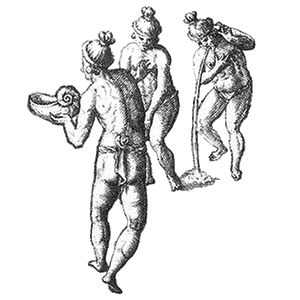
Black drink was the name given by colonists to a ritual beverage called Asi, brewed by Native Americans in the Southeastern United States. It was prepared from the roasted leaves and stems of the Yaupon Holly, native to the Atlantic and Gulf Coasts. The active ingredient in the drink was caffeine. The beverage was often used as a substitute for coffee and tea by colonists under the name cassine or cassina.
Prior to the 19th century, the black drink was consumed during the daily deliberations of the village councils and at all other important council meetings. Caddo, Creeks, Cherokees, Choctaws, and others believed it purified the drinker and purged him of anger and falsehoods. Black drink was prepared by special village officials and served in large communal cups, frequently made of whelk shell. The men in council were served in order of precedence, starting with important visitors. They consumed large quantities at a sitting. Afterward, they purged themselves by vomiting.
Posted in Drugs, Food, World |
Leave a Comment »
August 24, 2010
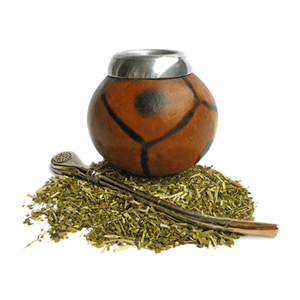
Mate [mah-tey], also known as chimarrão or cimarrón, is a traditional South American infused drink particularly popular in Argentina. It is prepared by steeping dried leaves of the yerba mate plant in hot water. Mate is served with a metal straw, called a bombilla, from a hollow calabash gourd, called a mate.
As with other brewed herbs, yerba mate leaves are dried, chopped, and ground into a powdery mixture called yerba. The bombilla acts as both a straw and a sieve. The submerged end is flared, with small holes or slots that allow the brewed liquid in, but block the chunky matter that makes up much of the mixture. Continue reading →
Posted in Drugs, Food, World |
Leave a Comment »
August 24, 2010
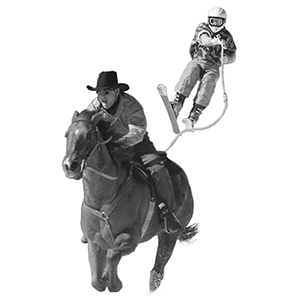
Skijoring [skee-jawr-ing] is a winter sport where a person on skis is pulled by a horse, a dog (or dogs) or a motor vehicle.
It is derived from the Norwegian word skikjøring meaning ski driving. Since many leashed dogs naturally tend to pull a skier with no training, the sport cannot claim a single country of origin. It was invented and continues to be reinvented all over the world. As a competitive sport, however, it is believed that the first races were held in Scandinavia as an offshoot of the older sport of Pulka.
Posted in Games, World |
3 Comments »
August 24, 2010
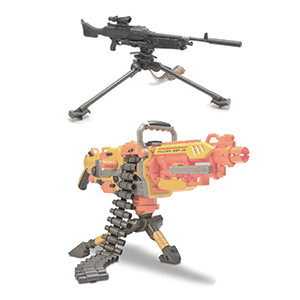
In video gaming a nerf is a change to a game that reduces the effectiveness of a particular game element. The term is also used as a verb for the act of making such a change. The opposite of nerfing is buffing. The term originated with ‘Ultima Online,’ and refers to the Nerf brand of toys which designed to prevent serious injury.
Game developers nerf aspects of a game in order to maintain game balance. Occasionally a new feature (such as an item, class, or skill) may be made too powerful, unfair, or too easily obtained to the extent that it unbalances the game system. This is sometimes due to an unforeseen bug or method of using or acquiring the object that was not considered by the developers.
Posted in Games, Language |
Leave a Comment »
August 24, 2010

Sprezzatura is an Italian word originating from Castiglione’s ‘The Book of the Courtier,’ where it is defined by the author as ‘a certain nonchalance, so as to conceal all art and make whatever one does or says appear to be without effort and almost without any thought about it.’
It is the ability of a courtier to display an easy facility in accomplishing difficult actions which hides the conscious effort that went into them. Sprezzatura has also been described as a form of defensive irony: the ability to disguise what one really desires, feels, thinks, and means or intends behind a mask of apparent reticence and nonchalance.
Posted in Language, World |
Leave a Comment »
August 24, 2010
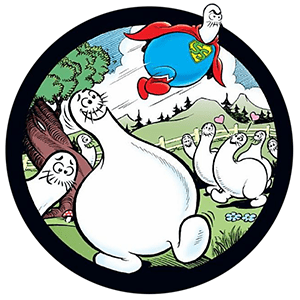
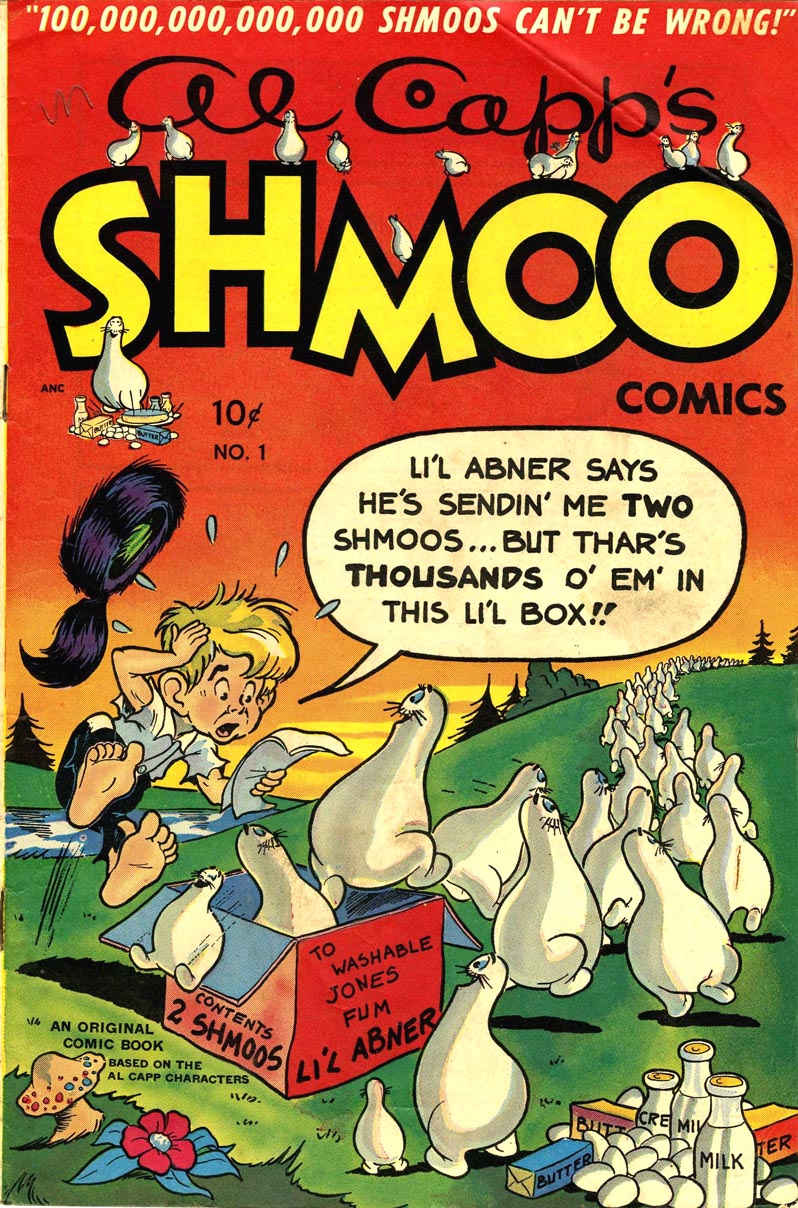
A shmoo is a fictional cartoon creature created by Al Capp. They first appeared in his comic strip ‘Li’l Abner’ on August 31, 1948, and quickly became a postwar national craze in the USA. Shmoon reproduce asexually, require no sustenance other than air, make good pets, are delicious to eat, and are eager to be eaten. Their pelts make perfect boot leather or house timber, depending on how thick you slice it. They have no bones, their eyes make the best suspender buttons, and their whiskers make perfect toothpicks. In short, they are the ideal herd animal.
In the comic strip the frolicking of shmoon is so entertaining that people no longer feel the need to watch television or go to the movies. It’s been used in discussions of socioeconomics, for instance, a widget is any material good which is produced through labor from a finite resource. In contrast, a shmoo is a material good that reproduces itself and is captured or bred as an economic activity.
Posted in Art, Humor, Money |
Leave a Comment »
August 17, 2010
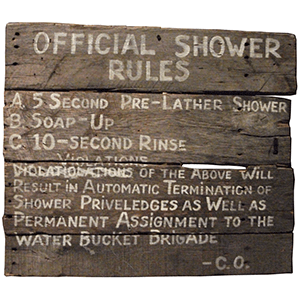
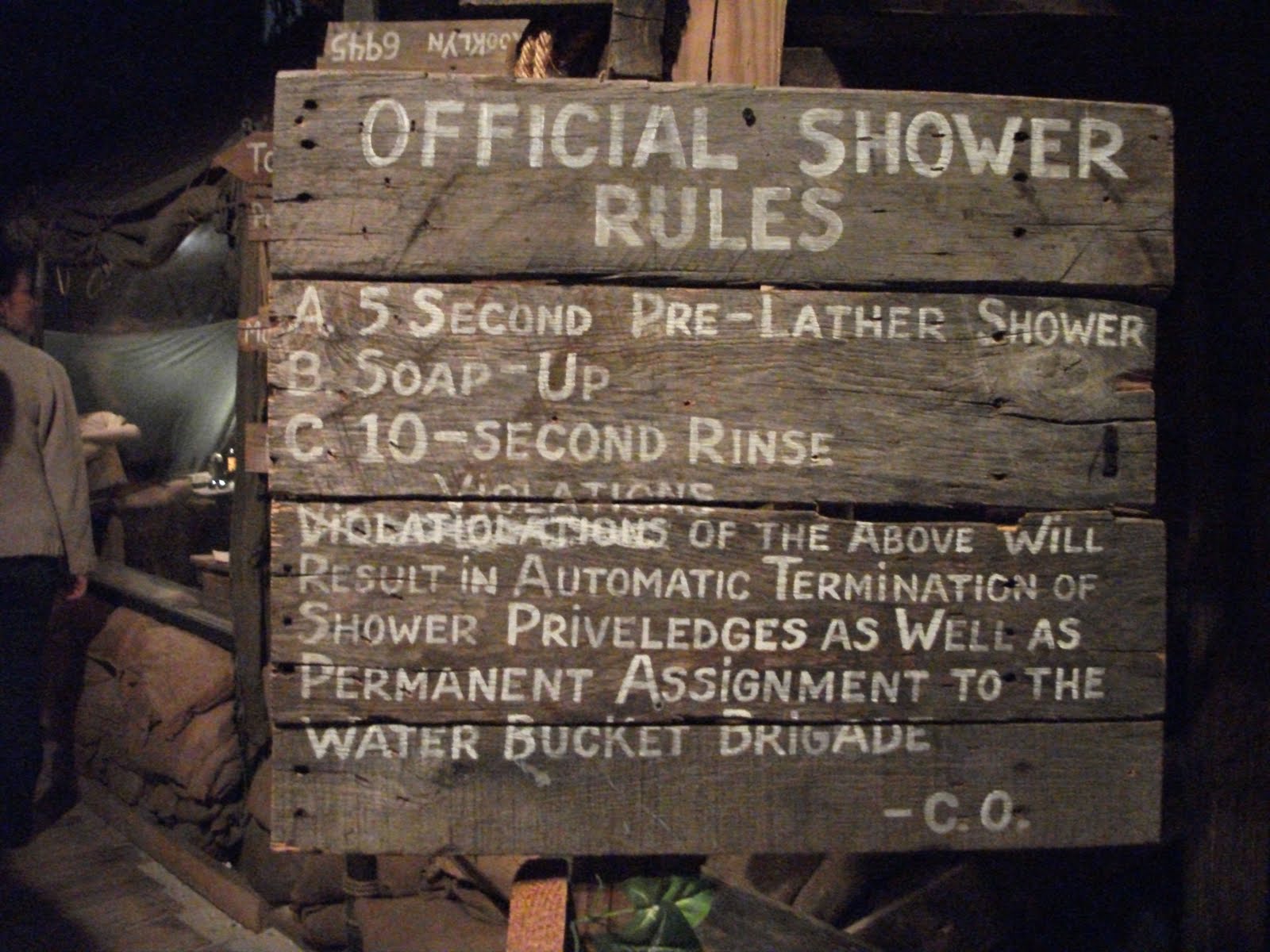
A navy shower (or ‘sea shower’) is a method of showering that allows for significant conservation of water and energy. The total time for the water being on is typically under two minutes. Navy showers originated on naval ships, where supplies of fresh water were often scarce. Using this method, crew members were able to stay clean, while conserving their limited water supply.
The idea has been adopted by many people who wish to conserve water and the energy needed to heat the water, for both environmental and economic reasons. Maritime cruisers often take navy showers when they are not in a port with easy access to fresh water. A ten-minute shower takes as much as 60 gallons of water, while a navy shower usually takes as little as three gallons; one person can save 15,000 gallons per year. The United States Navy refers to long lavish showers without limits on water usage as ‘Hollywood showers.’
Posted in Language, War |
Leave a Comment »