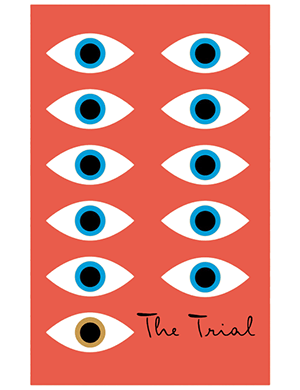

‘Kafkaesque‘ [kahf-kuh-esk] is an eponym used to describe concepts, situations, and ideas which are reminiscent of the literary work of the Austro-Hungarian writer Franz Kafka, particularly his novels ‘The Trial’ and ‘The Castle,’ and the novella ‘The Metamorphosis.’ The term has also been described as ‘marked by a senseless, disorienting, often menacing complexity: Kafkaesque bureaucracies’ and ‘marked by surreal distortion; and often a sense of impending danger: Kafkaesque fantasies of the impassive interrogation, the false trial, the confiscated passport, etc.’
It can also describe an intentional distortion of reality by powerful but anonymous bureaucrats: ‘Lack of evidence is treated as a pesky inconvenience, to be circumvented by such Kafkaesque means as depositing unproven allegations into sealed files…’ Another definition would be an existentialist state of ever-elusive freedom, existing under unmitigable control. The adjective refers to anything suggestive of Kafka, especially his nightmarish style of narration, in which characters lack a clear course of action, the ability to see beyond immediate events, and the possibility of escape. The term’s meaning has transcended the literary realm to apply to real-life occurrences and situations that are incomprehensibly complex, bizarre, or illogical.


 The Daily Omnivore
Leave a comment