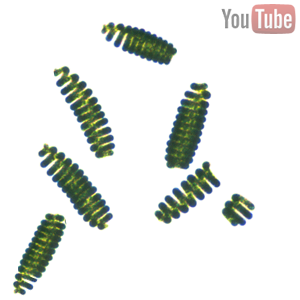
Spirulina [spahy-ruh-lahy-nuh] is a microscopic blue-green algae in the shape of a spiral coil, living both in sea and freshwater. It is the common name for human and animal food produced primarily from two species: Arthrospira platensis, and Arthrospira maxima. Though referred to as ‘algae’ because they are aquatic organisms capable of photosynthesis, cyanobacteria are not related to any of the various eukaryotic algae. Spirulina is rich in complete proteins, essential fatty acids, b vitamins, minerals, and phytochemicals like beta-carotene. Spirulina contains an unusually high amount of protein, between 55% and 77% by dry weight. It is a complete protein, containing all essential amino acids, though with reduced amounts of methionine, cysteine, and lysine when compared to the proteins of meat, eggs, and milk.
It is, however, superior to typical plant protein, such as that from legumes. Spirulina also contains the amino acid phenylalanine, which should be avoided by people who have the metabolic disorder phenylketonuria. Arthrospira is cultivated around the world, and is used as a human dietary supplement, as well as a whole food, and is available in tablet, flake, and powder form. It is also used as a feed supplement in the aquaculture, aquarium, and poultry industries. Spirulina was a food source for Mesoamericans; the Aztecs called it ‘stone’s excrement.’ Its cultivation dates back to the 9th century in Chad, where dried cakes of spirulina, called dihéare, are used as bullion cubes.


 The Daily Omnivore
Leave a comment