March 2, 2011

Iridology is a pseudoscience whose proponents believe that patterns, colors, and other characteristics of the iris can be examined to determine information about a patient’s systemic health. Practitioners match their observations to iris charts, which divide the iris into zones that correspond to specific parts of the human body.
Posted in Philosophy, Science |
Leave a Comment »
March 2, 2011

Marvel vs. Capcom is a series of fighting games created by Capcom in which characters created by Marvel Comics and Capcom’s own characters appear together. While it was the first Vs. series involving Capcom, the Marvel brand exists to distinguish it from Capcom’s other Vs. series with SNK (Capcom vs. SNK), and Tatsunoko Production (Tatsunoko vs. Capcom: Ultimate All-Stars).
The Marvel characters depicted in these games were often based on their incarnations in various 1990s animated series (particularly X-Men), and were often voiced by the same voice actors.
Posted in Games, Money |
Leave a Comment »
March 2, 2011
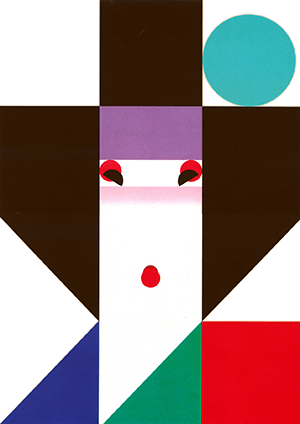
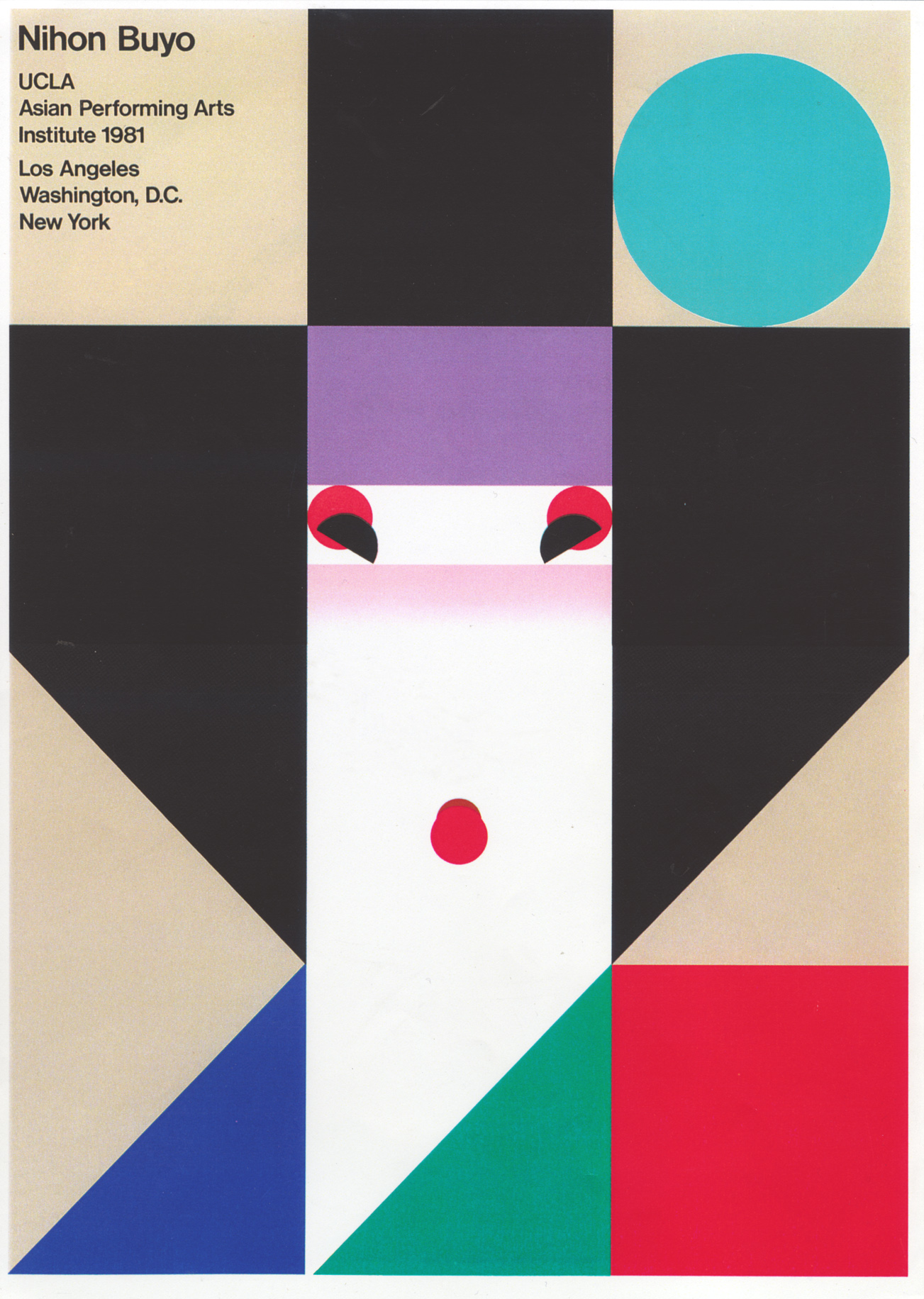
Ikko Tanaka (1930 – 2002) a Japanese graphic designer. The characteristic of his designs is a blending of deeply rooted Japanese traditions with western modernism to produce contemporary visual expression.
Posted in Art |
Leave a Comment »
March 2, 2011

Piet [peet] Mondrian [mawn-dree-ahn] (1872 – 1944), was a Dutch painter, and an important contributor to the De Stijl art movement (Dutch for ‘The Style,’ which advocated pure abstraction and universality by a reduction to the essentials of form and color; they simplified visual compositions to the vertical and horizontal directions, and used only primary colors along with black and white).
He evolved a non-representational form which he termed Neo-Plasticism. This consisted of white ground, upon which was painted a grid of vertical and horizontal black lines and the three primary colors.
Posted in Art, World |
Leave a Comment »
March 2, 2011

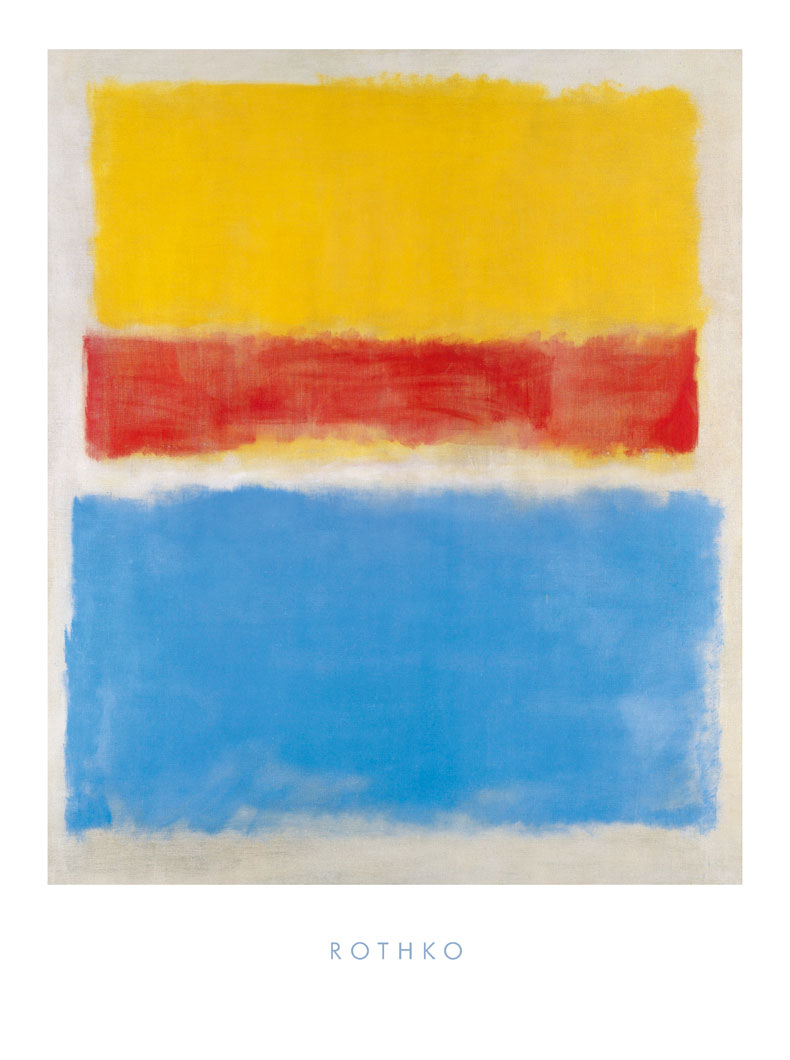
Mark Rothko (1903 – 1970) was a Latvian-born American painter. He is classified as an abstract expressionist, although he rejected the label, and even resisted classification as an ‘abstract painter.’ 1946 saw the creation of Rothko’s transitional ‘multiform’ paintings. He gradually transitioned from surrealistic, myth-influenced works of the early part of the decade to the highly abstract, Clyfford Still-influenced forms of pure color. For Rothko, these blurred blocks of various colors, devoid of landscape or human figure, let alone myth and symbol, possessed their own life force. They contained a ‘breath of life’ he found lacking in most figurative painting of the era.
He started with the application of a thin layer of binder mixed with pigment directly onto uncoated and untreated canvas on which he painted significantly thinned oils, creating a dense mixture of overlapping colors and shapes. His brush strokes were fast and light. Rothko used several original techniques that he tried to keep secret even from his assistants. Electron microscopy and ultraviolet analysis showed that he employed natural substances such as egg and glue, as well as artificial materials including acrylic resins, phenol formaldehyde, and modified alkyd. One of his objectives was to make the various layers of the painting dry quickly, without mixing of colors, such that he could soon create new layers on top of the earlier ones.
Posted in Art, Money |
Leave a Comment »
March 1, 2011
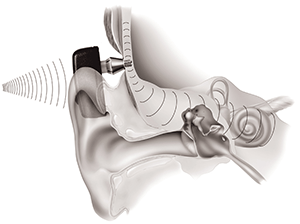

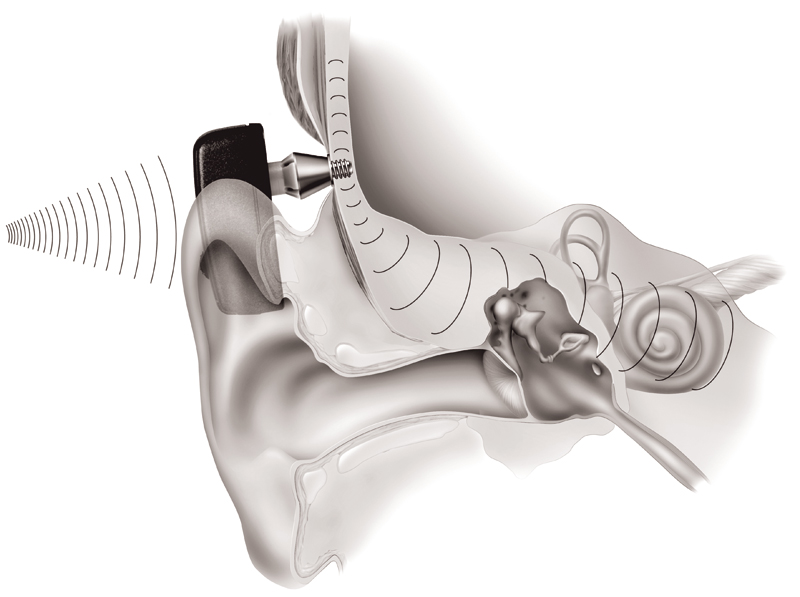
Bone conduction is the transmission of sound to the inner ear through the bones of the skull. Because the skull conducts low frequencies better than air, people perceive their own voices to be lower and deeper than others do. Bone conduction is ears-free, thus providing extended use comfort and safety, has high sound clarity in very noisy environments, and can be used with hearing protection.
However, some implementations require more power than headphones, and the overall clarity is not on par with traditional headphones and microphone due to reduced frequency bandwidth. One example of a bone conduction speaker is a piezo-electric flexing disc about 40mm across and 6mm thick used by scuba divers. Bone conduction transmission is also useful for individuals with impaired hearing.
Posted in Health, Technology |
Leave a Comment »
March 1, 2011

Lowcountry cuisine is the cooking traditionally associated with the South Carolina Lowcountry and Georgia coast. It shares features with Southern cooking, but with rich diversity of seafood from the coastal estuaries, its concentration of wealth in Charleston and Savannah, and a vibrant Caribbean cuisine and African cuisine influence, Lowcountry cooking also has strong parallels with New Orleans and Cajun cuisines.
Posted in Food |
Leave a Comment »
March 1, 2011

Seafood boil is the generic term for any number of different kinds of social events in which shellfish is the central element. Regional variations dictate the kinds of seafood, the accompaniments and side dishes, and the preparation techniques (boiling, steaming, baking, or raw). In some cases, a boil may be sponsored by a community organization as a fundraiser or a mixer. In this way, they are like a fish fry, barbecue, or church potluck supper.
But boils are also held by individuals for their friends and family for weekend get-togethers and on the summer holidays of Memorial Day and the Fourth of July. There are also companies that can cater a boil for large and small events. While boils and bakes are traditionally associated with coastal regions of the United States, there are notable exceptions. For example, the Fiesta Oyster Bake (San Antonio) began in 1916 as an alumni fund raiser for St. Mary’s University. It is now attended by over 70,000 people during its two day run and is a major music and cultural event in the city.
Posted in Food, Language |
Leave a Comment »
March 1, 2011

Hallucigenia [huh-loo-suh-jane-ee-uh] is an extinct genus of animal found in British Columbia, Canada. The genus name was coined by English paleontologist, Simon Conway Morris in 1979. He named the genus Hallucigenia, because of its ‘bizarre and dream-like quality’ (like a hallucination).
Hallucigenia was initially considered by Stephen Jay Gould to be unrelated to any living species, but most palaeontologists now believe that the species was a relative of modern arthropods.
Posted in Science |
Leave a Comment »
March 1, 2011
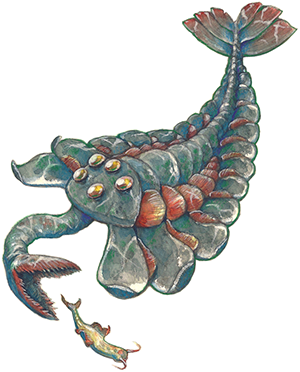
Opabinia [oh-puh-bin-ee-uh] is an extinct animal found in Cambrian fossil deposits. Its sole species, Opabinia regalis, is known from the Middle Cambrian Burgess Shale of British Columbia. The discoverer of Opabinia, American paleontologist, Charles Doolittle Walcott, named it after a local mountain, Opabin Peak in the Canadian Rockies.
Thirty specimens of Opabinia are known and each ranges in size from 40-70 mm. The most intriguing feature of Opabinia are its five eyes found on the dorsal surface of the head.
Posted in Science |
Leave a Comment »
March 1, 2011

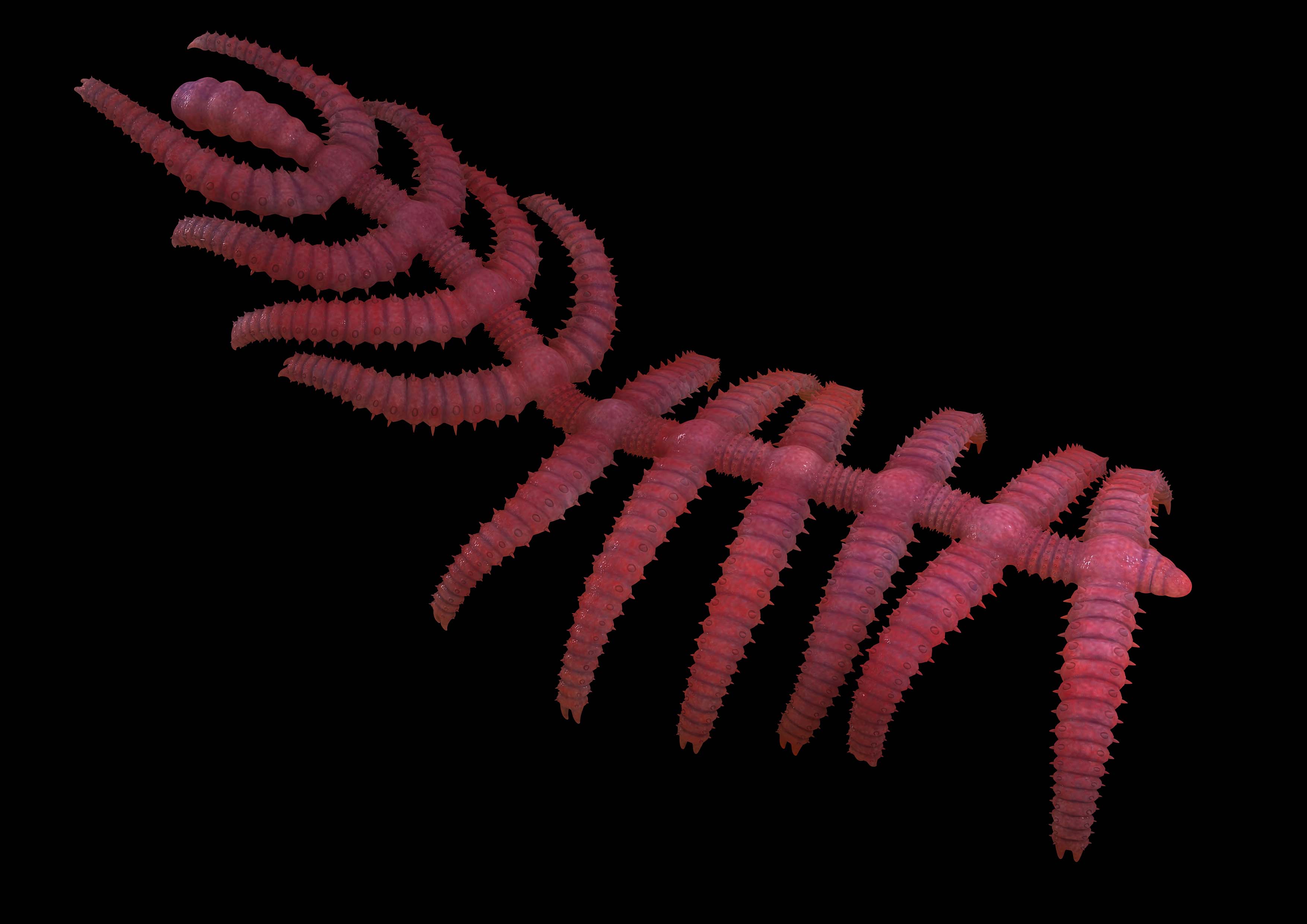
Diania is an extinct genus of animal found in China, represented by a single species: cactiformis. Known during its investigation by the nickname ‘walking cactus,’ this remarkable organism belongs to a group known as the armored lobopodians and has a simple worm-like body with robust, spiny, and apparently jointed legs.
Its significance is that jointed legs are the defining character of the arthropods and Diania may thus be very close to the origins of the most diverse group of animals on the planet. Diania also suggests that that arthropodization (i.e. the appearance of hard ring-like, joints around the legs), evolved before arthrodization (i.e. hard, ring-like segments, around the body).
Posted in Science |
Leave a Comment »
March 1, 2011

Ubuntu [ooh-boon-too] is an ethic or humanist philosophy focusing on people’s allegiances and relations with each other. The word has its origin in the Bantu languages of southern Africa. Ubuntu is seen as a classical African concept. Ubuntu translates to, ‘I am what I am because of who we all are.’
Posted in Language, Philosophy, World |
Leave a Comment »




 The Daily Omnivore