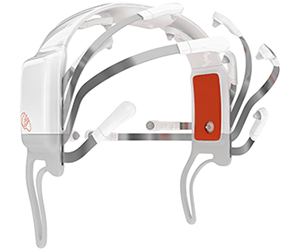
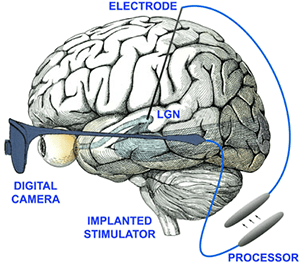
A brain–computer interface (BCI) is a direct communication pathway between the brain and an external device. BCIs are often aimed at assisting, augmenting or repairing human cognitive or sensory-motor functions. Research on BCIs began in the 1970s at UCLA under a grant from the National Science Foundation, followed by a contract from DARPA.
The field has since focused primarily on neuroprosthetics applications that aim at restoring damaged hearing, sight and movement. Thanks to the remarkable cortical plasticity of the brain, signals from implanted prostheses can, after adaptation, be handled by the brain like natural sensor or effector channels.



Leave a Reply