October 10, 2010
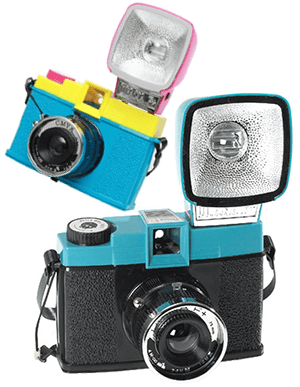
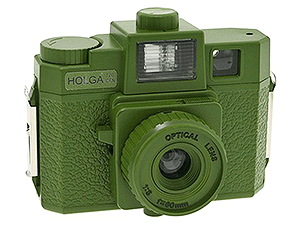
Lomography is the commercial trademark of Lomographische AG, an Austria photography company. The name is inspired by the former state-run optics manufacturer LOMO PLC of Saint Petersburg, Russia. LOMO created and produced the 35 mm LOMO LC-A Compact Automat camera — which became the centerpiece of Lomography’s marketing and sales activities. This camera was loosely based upon the Cosina CX-1 and introduced in the early 1980s.
read more »
Posted in Art, Money |
Leave a Comment »
October 10, 2010
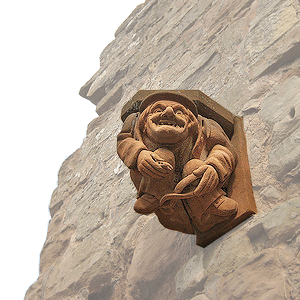
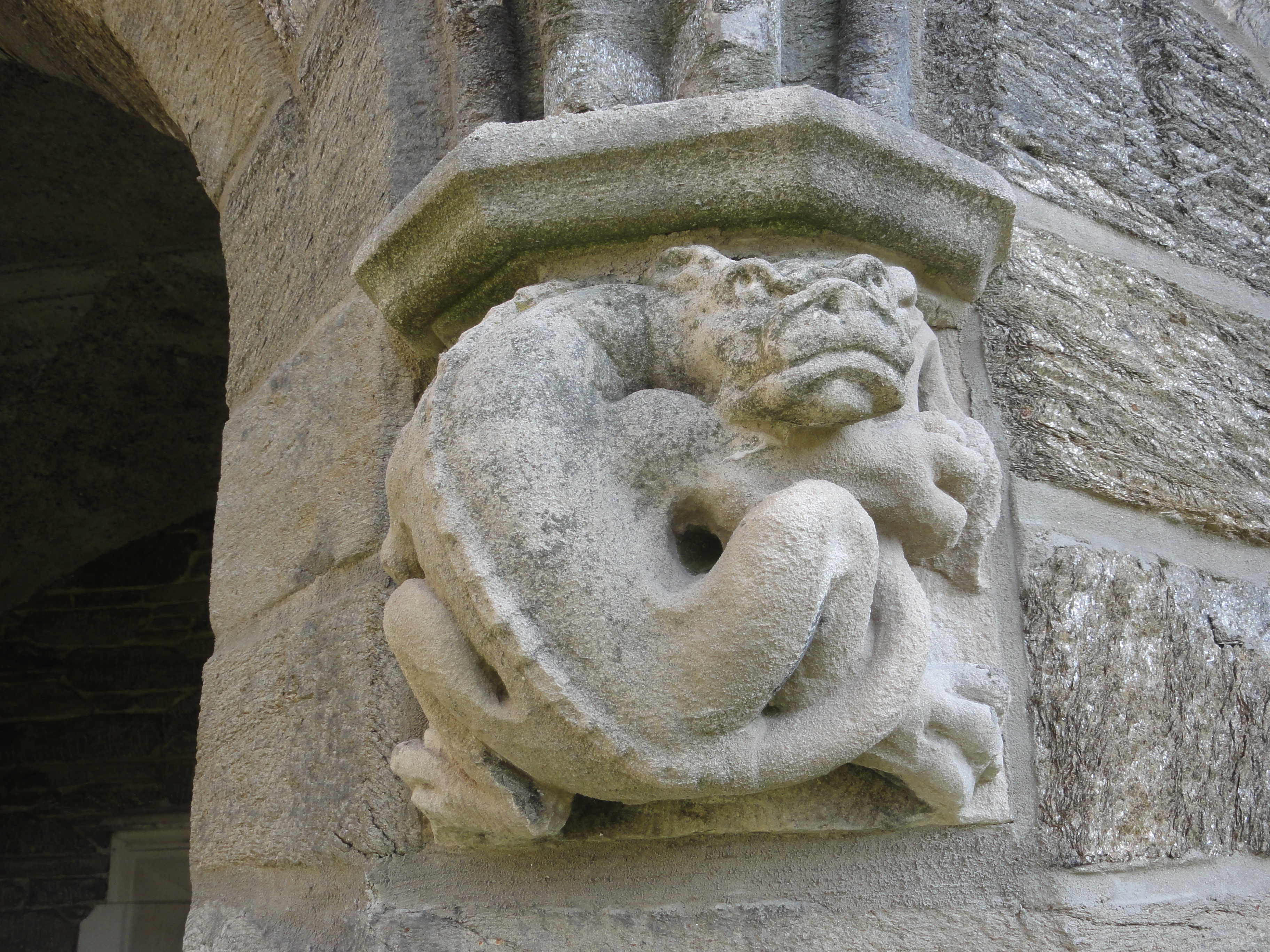
By definition, a hunky punk is an architectural feature that serves no purpose. Therefore, a true gargoyle is not a hunkypunk because it serves to drain water through its mouth. Hunky punks were often carved to create a balance of decoration. A typical example might be found at the corner of a church tower, along the coping ridge below any castellations. Often there are carvings on each corner, yet the roof may only drain in one direction and so there might be three hunkypunks and one true gargoyle.
There is a belief that a hunky punk is only a short squatting figure typical of those found in the churches of western England. The origin of the term hunkypunk has been ascribed to the Old English ‘hunkers’ which means haunches and ‘punchy’ which means short-legged. The balance of good and evil in church design reminds worshippers of the narrow path they tread. For every good and benign creature such as a saint or an animal to signify purity, there is typically an opposite to bring out the fear of evil.
Posted in Art, Philosophy |
Leave a Comment »
October 9, 2010

Sheela na Gigs are carvings of naked women displaying an exaggerated vulva found on churches, castles and other buildings, particularly in Ireland and Britain. Such carvings are said to ward off death and evil.
Other grotesques such as gargoyles and Hunky Punks are frequently found on churches all over Europe and it is commonly said that they are there to keep evil spirits away. They are often positioned over doors or windows, presumably to protect these openings.
Posted in Art, Philosophy, Sex |
Leave a Comment »
October 1, 2010


The Scratchophone is a portable scratch instrument, featuring a turntable, a special tonearm, scratch mixer, and a pair of speakers, a battery, and a harness. They are hand-made in Quebec, Canada and feature a direct drive Numark turntable, a 2-channel Vestax mixer, and a Stanton cartdidge needle. It sells for $2,179.99.
Posted in Art, Money, Technology |
Leave a Comment »
September 30, 2010
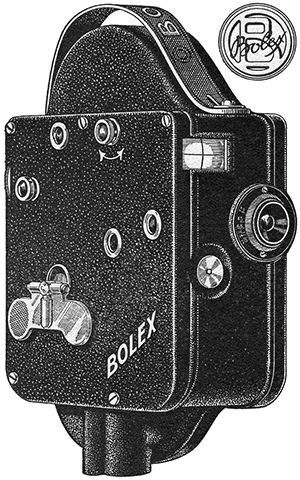

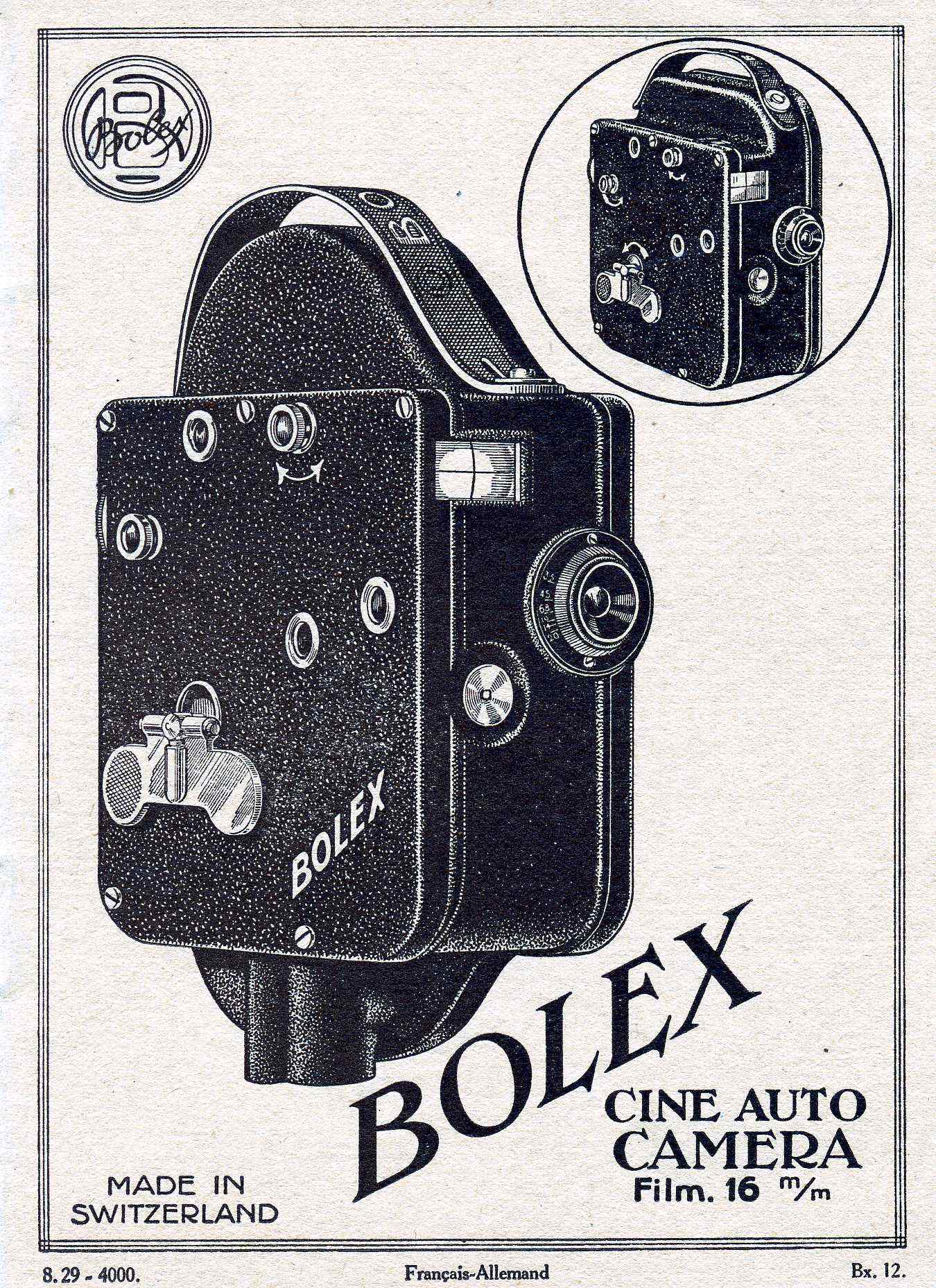
Bolex is a Swiss company that manufactures motion picture cameras and lenses. The most notable products of which are in the 16 mm and Super 16 mm formats. The Bolex was initially founded by Ukranian engineer and inventor Jacques Bogopolsky in the 1940s. Bolex is derived from his name. He had previously designed cameras for Alpa. Bolex cameras were particularly important for early television news, nature films, documentaries and the avant garde, and are still favoured by many animators today.
Some later models are electrically powered, the majority of those manufactured since the 1930s use a spring-wound clockwork. The 16 mm spring-wound Bolex is a popular introductory camera in film schools. Today, the Bolex factory in Switzerland continues to produce new 16mm and Super 16 film cameras and also can convert Bolex H16 reflex models to super 16mm.
Posted in Art, Technology, World |
1 Comment »
September 27, 2010
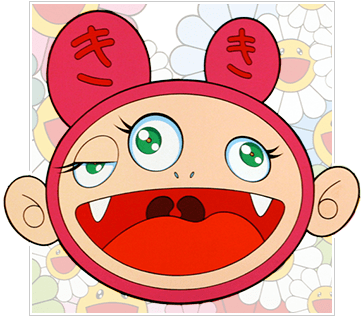
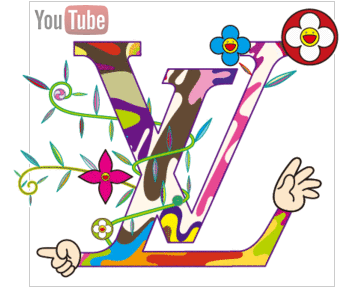
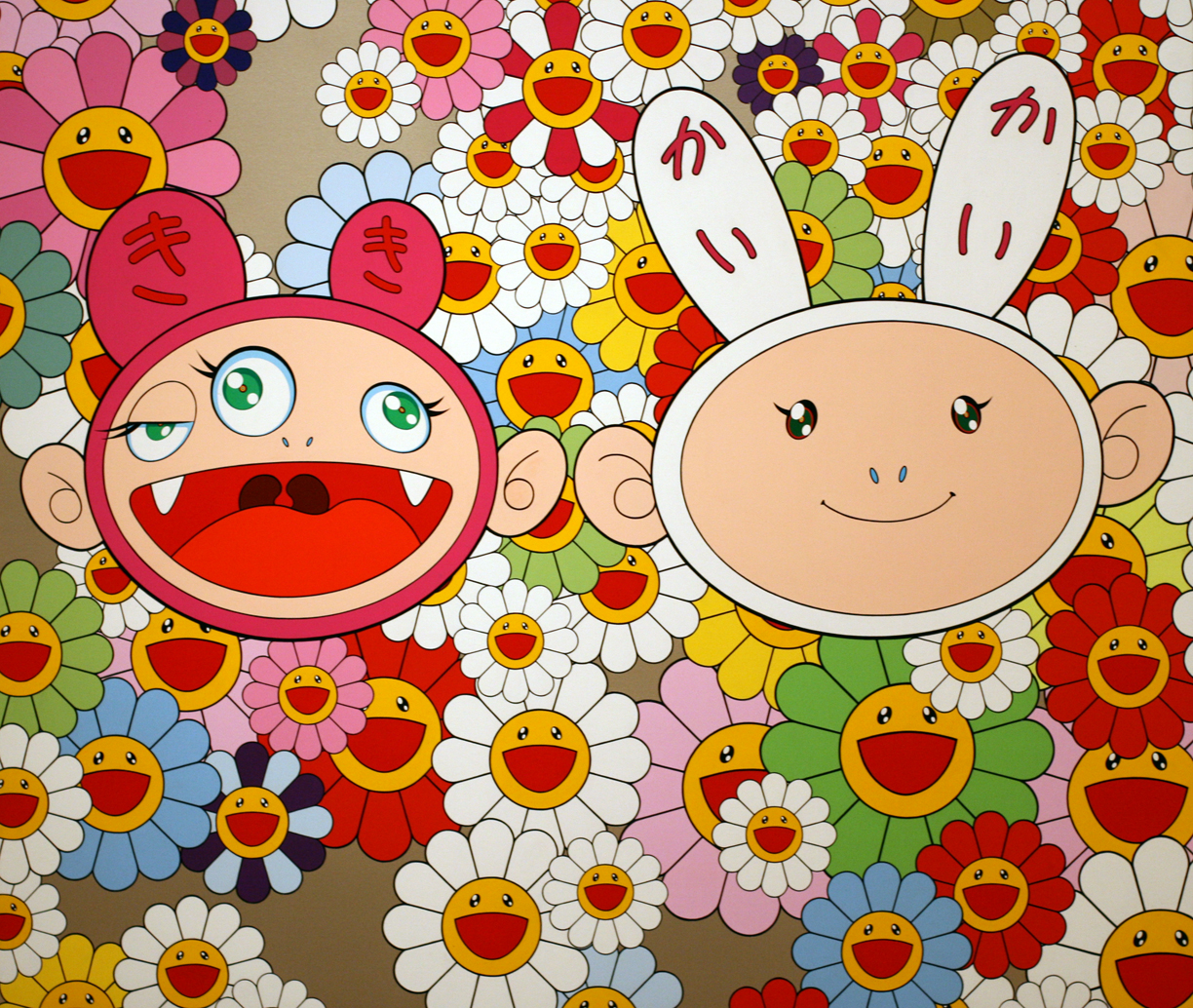
Superflat is a postmodern art movement, founded by Japanese artist Takashi Murakami, which is influenced by manga and anime. Superflat is used by Murakami to refer to various flattened forms in Japanese graphic art, animation, pop culture and fine arts, as well as the ‘shallow emptiness of Japanese consumer culture.’ A self-proclaimed art movement, it was a successful piece of niche marketing, a branded art phenomenon designed for Western audiences.
Murakami defines Superflat in broad terms, so the subject matter is very diverse. Often the works take a critical look at the consumerism and sexual fetishism that is prevalent in post-war Japanese culture. One target of this criticism is lolicon art, which is satirized by works such as those by Henmaru Machino. These works are an exploration of otaku sexuality through grotesque and/or distorted images. Other works are more concerned with a fear of growing up. For example, Yoshitomo Nara’s work often features playful graffiti on old Japanese ukiyo-e executed in a childish manner. And some works focus on the structure and underlying desires that comprise otaku and overall post-war Japanese culture.
Posted in Art, World |
Leave a Comment »
September 24, 2010
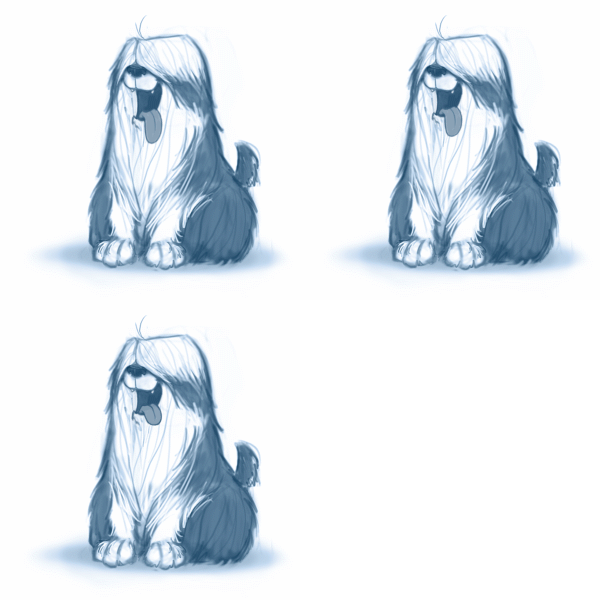
In its original sense, a shaggy dog story is an extremely long-winded tale featuring extensive narration of typically irrelevant incidents, usually resulting in a pointless or absurd punchline. These stories are a special case of yarns, coming from the long tradition of campfire yarns. Shaggy dog stories play upon the audience’s preconceptions of the art of joke telling. The audience listens to the story with certain expectations, which are either simply not met or met in some entirely unexpected manner.
A boy owned a dog that was uncommonly shaggy. Many people remarked upon its considerable shagginess. When the boy learned that there are contests for shaggy dogs, he entered his dog. The dog won first prize for shagginess in both the local and the regional competitions. The boy entered the dog in ever-larger contests, until finally he entered it in the world championship for shaggy dogs. When the judges had inspected all of the competing dogs, they remarked about the boy’s dog: ‘He’s not so shaggy.’
Posted in Art, Humor |
Leave a Comment »
September 21, 2010
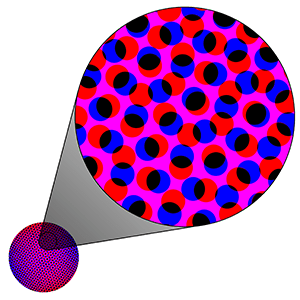

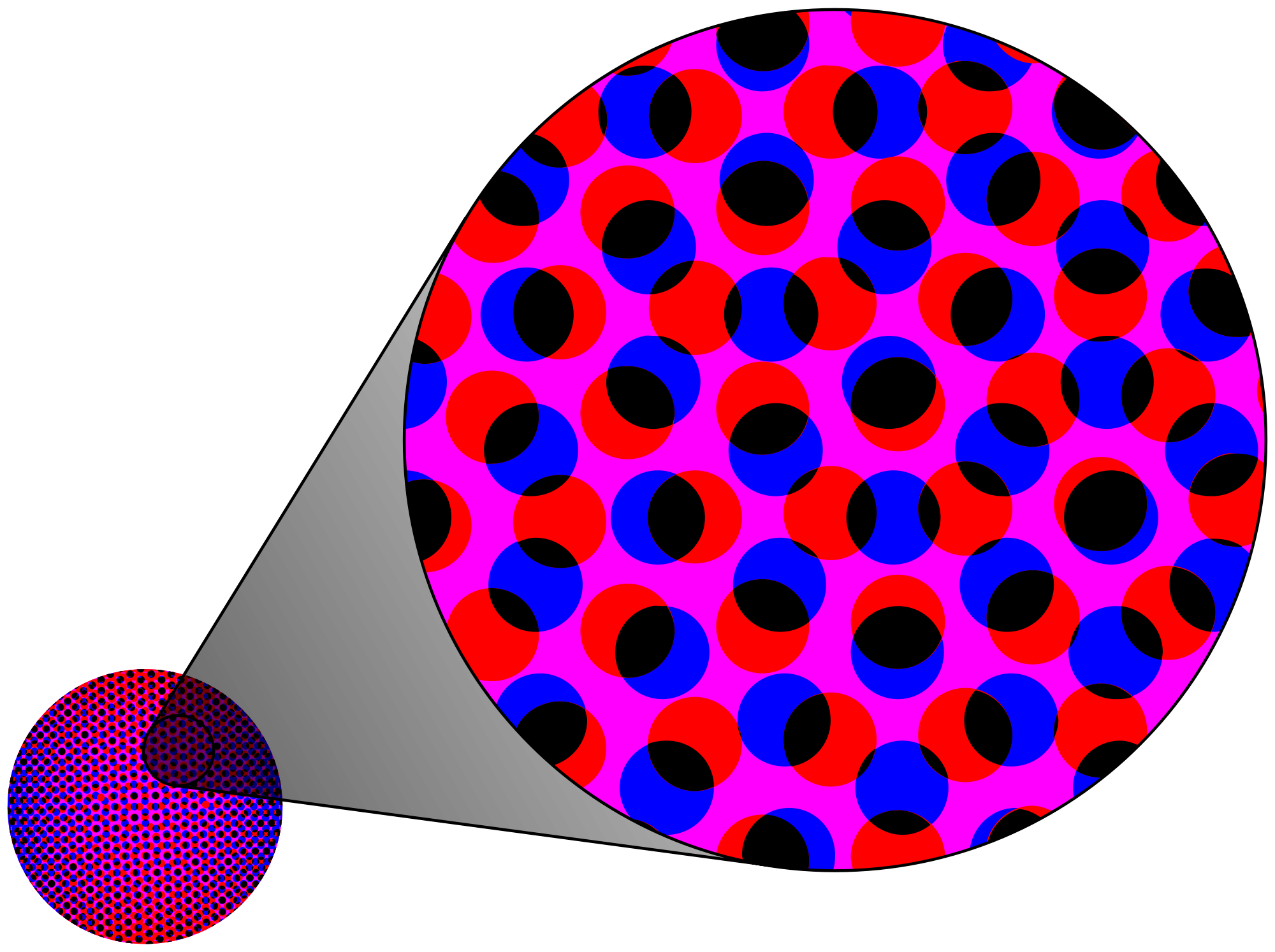
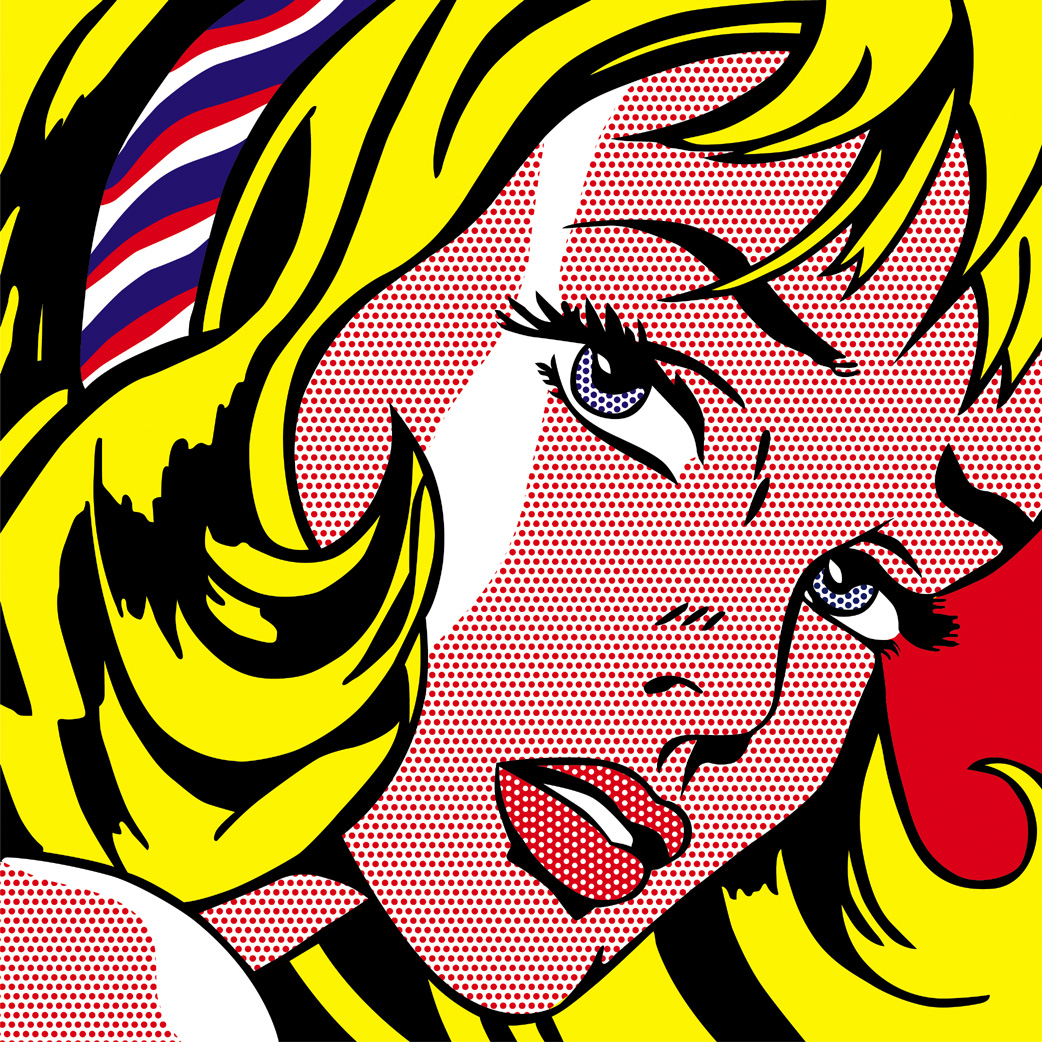
The Ben-Day Dots printing process, named after illustrator and printer Benjamin Day, is similar to Pointillism. Depending on the effect, color and optical illusion needed, small colored dots are closely-spaced, widely-spaced or overlapping. Magenta dots, for example, are widely-spaced to create pink. 1950s and 1960s pulp comic books used Ben-Day dots in the four process colors (cyan, magenta, yellow and black) to inexpensively create shading and secondary colors such as green, purple, orange and flesh tones.
Ben-Day dots differ from halftone dots in that the Ben-Day dots are always of equal size and distribution in a specific area. To apply the dots to a drawing the artist would purchase transparent overlay sheets from a stationery supplier. The sheets were available in a wide variety of dot size and distribution, which gave the artist a range of tones to use in the work. The overlay material was cut in the shapes of the tonal areas desired—i.e. shadow or background or surface treatment and rubbed onto the specific areas of the drawing with a burnisher. When photographically reproduced as a line cut for letterpress printing, the areas of Ben-Day overlay provided tonal shading to the printing plate.
Posted in Art, Money, Technology |
Leave a Comment »
September 20, 2010


A Munny doll is a designer toy from the American company Kidrobot. It is a blank figure the owner can decorate using pens, pencils, markers, paint, and other supplies. A Munny doll is made out of vinyl and has movable joints. The first doll was white, and has since been available in other colors such as black, pink, blue, and phosphorescent green. The figure is housed in a box which includes 4 random accessories such as a carrot or a hat.
Posted in Art, Money |
Leave a Comment »
September 20, 2010

Fabric is a nightclub in London by Keith Reilly and Cameron Leslie that opened on 29 October 1999. Fabric has three separate rooms (two of which feature stages for live acts) with independent sound systems. A feature of the club is its vibrating floor in Room One: known as a ‘bodysonic’ dancefloor, sections of the floors are attached to 400 bass transducers emitting bass frequencies of the music being played.
The musical genres played there vary. FabricLive is a Friday-night ‘soundclash,’ (music competition) including tempos from hip hop to breakbeat to drum and bass to electro. Fabric’s Saturday nights showcase house and techno. The club has been releasing monthly compilation albums mixed by popular DJs since November 2001. There are two series that alternate months, entitled fabric and FabricLive.
Posted in Art, Money, World |
Leave a Comment »
September 20, 2010
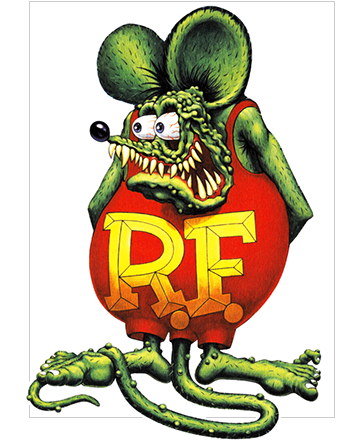
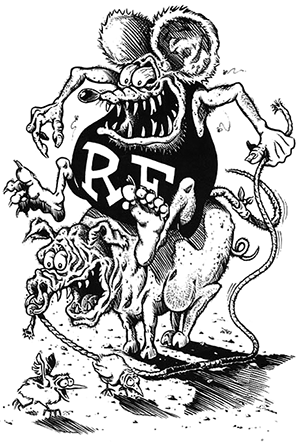
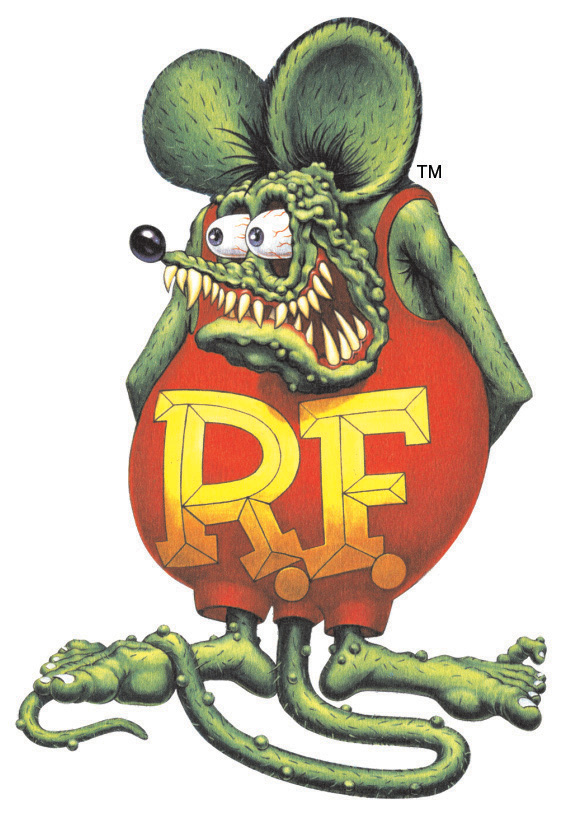
Rat Fink is one of the several hot-rod characters created by artist Ed ‘Big Daddy’ Roth. Roth’s hatred for Mickey Mouse led him to draw the original Rat Fink, who came to symbolize the hot-rod and ‘Kustom Kulture’ scene of the 1950s and 1960s. Although Detroit native Stanley Mouse is credited with creating the so-called ‘Monster Hot Rod’ art form, Roth is accepted as the individual who popularized it. The Rat Fink is a green, depraved-looking mouse with bulging, bloodshot eyes, an oversized mouth with yellowed, narrow teeth, and a red T-shirt with yellow ‘R.F.’ on it. Other artists associated with Roth also drew the character, including Steve Fiorilla, who illustrated Roth’s catalogs.
A Rat Fink revival in the late 1980s and the 1990s centered around the West Coast grunge/punk rock movements. The term ‘fink’ was originally underworld slang for an informer, comparable to ‘stool pigeon.’ It is also thought to have been a toned-down form of ‘ratfucking,’ a slang term for playing dirty tricks.
Posted in Art, Humor |
Leave a Comment »
September 16, 2010

Rococo [ruh-koh-koh] also referred to as ‘Late Baroque’ is an 18th century style which developed as Baroque artists gave up their symmetry and became increasingly more ornate, florid, and playful. Rococo rooms were designed as total works of art with elegant and ornate furniture, small sculptures, ornamental mirrors, and tapestry complementing architecture, reliefs, and wall paintings. It was largely supplanted by the Neoclassic style.
In 1835 the Dictionary of the French Academy stated that the word Rococo ‘usually covers the kind of ornament, style and design associated with Louis XV’s reign.’ The word Rococo is seen as a combination of the French rocaille, meaning stone, and coquilles, meaning shell, due to reliance on these objects as motifs of decoration. It may also be related to the Portuguese barroco (which refers to an irregularly shaped pearl), or Baroque style.
Posted in Art |
Leave a Comment »




 The Daily Omnivore