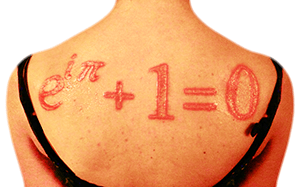
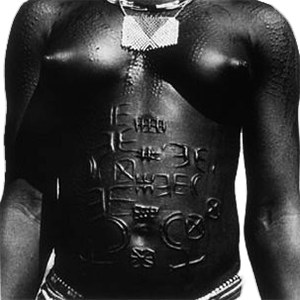
Scarification [skar-uh-fi-key-shuhn], sometimes called cicatrization, involves scratching, etching, burning, or superficially cutting designs, pictures, or words into the skin as a permanent body modification.
Everything is Interesting
Scarification [skar-uh-fi-key-shuhn], sometimes called cicatrization, involves scratching, etching, burning, or superficially cutting designs, pictures, or words into the skin as a permanent body modification.
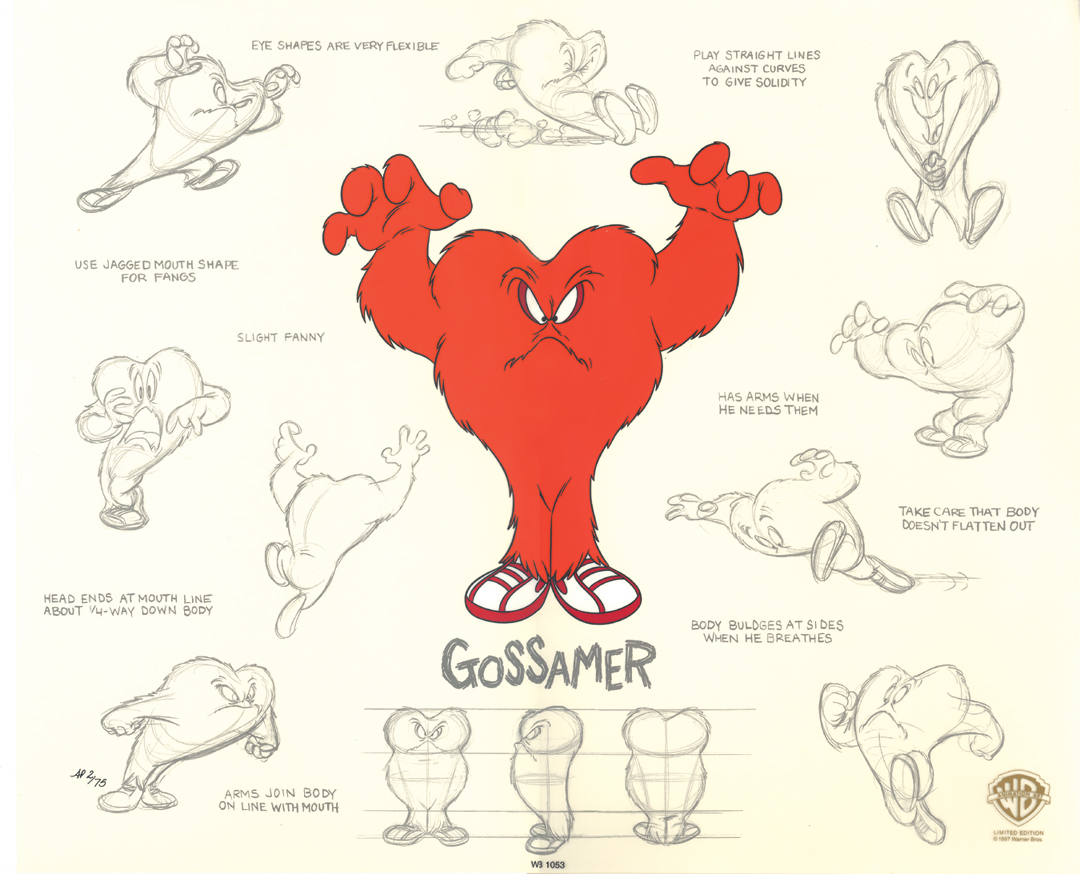
Gossamer is an animated cartoon character in the Warner Bros. Looney Tunes and Merrie Melodies series of cartoons. The character is a hairy, orange monster. His rectangular body is perched on two giant tennis shoes, and his heart-shaped face is composed of only two oval eyes and a wide mouth, with two hulking arms. The monster’s main trait, however, is bright uncombed red hair.
In fact, a gag in the 1980 short Duck Dodgers and the Return of the 24½th Century lampoons this by revealing that Gossamer is, in fact, composed entirely of hair. He was originally voiced by Mel Blanc and has been voiced by Joe Alaskey and Jim Cummings. The word ‘Gossamer’ refers to things light, delicate, or insubstantial. The name is meant to be ironic, since the character is large, menacing, and destructive.
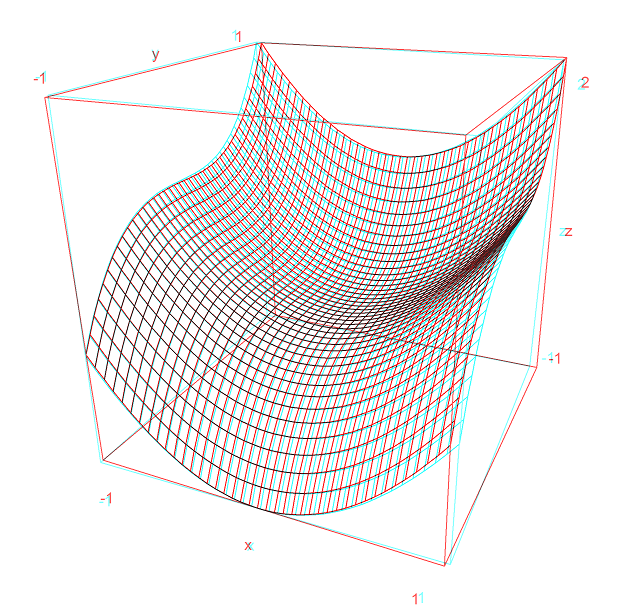

Anaglyph [an-uh-glif] images are used to provide a stereoscopic 3D effect, when viewed with 2 color glasses (usually red and cyan). Video games, theatrical films, and other media can be shown in the anaglyph 3D process. Practical images, for science or design, where depth perception is useful, include the presentation of full scale and microscopic stereographic images.
Examples from NASA include Mars Rover imaging, and 3D images of the sun. Other applications include geological illustrations by the USGS. A recent application is for stereo imaging of the heart using 3D ultra-sound with plastic red/cyan glasses. Anaglyph images are much easier to view than stereograms, but don’t render colors as accurately. Recently, cross-view prismatic glasses with adjustable masking have appeared, that offer a wider image on the new HD video and computer monitors.

Hollywood accounting refers to the notoriously opaque accounting methods used by Hollywood to budget and record profits for film projects. Expenditures can be inflated to reduce or eliminate the profit of the project thereby reducing the amount which the corporation must pay in royalties or other profit-sharing agreements based on the net profit.
For example, Winston Groom’s price for the screenplay rights to his novel Forrest Gump included a share of the profits; however, due to Hollywood accounting, the film’s commercial success was converted into a net loss, and Groom received nothing. That being so, he has refused to sell the screenplay rights to the novel’s sequel, stating that he, ‘cannot in good conscience allow money to be wasted on a failure.’
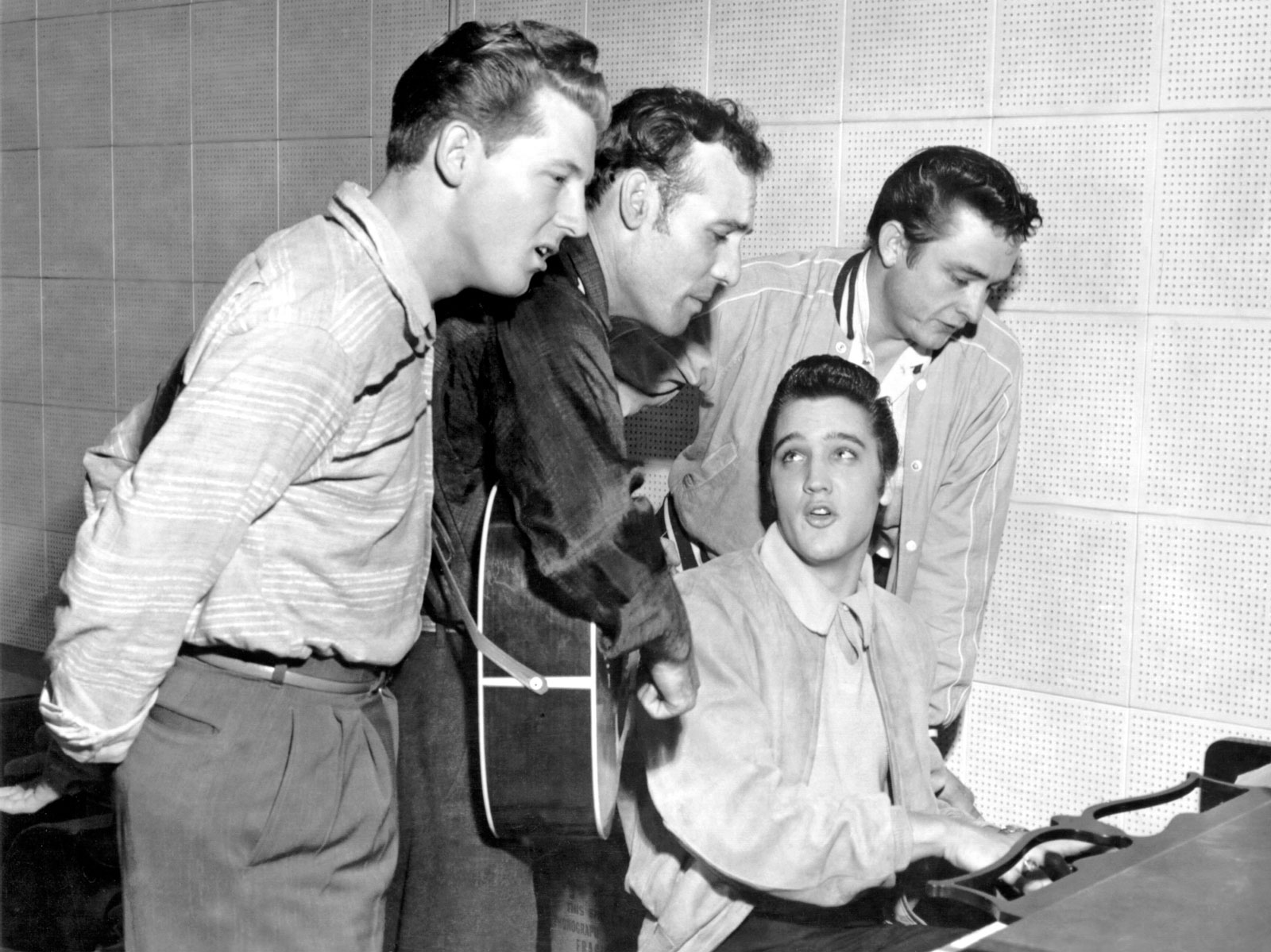
The Million Dollar Quartet is the name given to recordings made on Tuesday December 4, 1956 in the Sun Record Studios in Memphis, Tennessee. The recordings were of an impromptu jam session between Elvis Presley, Jerry Lee Lewis, Carl Perkins, and Johnny Cash.
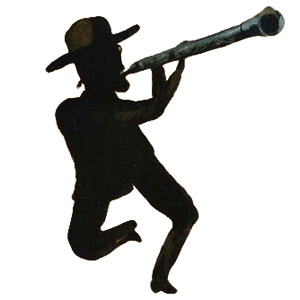
Klezmer [klez-mer] is a musical tradition of the Ashkenazic Jews of Eastern Europe. Played by professional musicians called klezmorim, the genre consists largely of dance tunes and instrumental display pieces for weddings and other celebrations. Although the genre has its origins in Eastern Europe, the particular form now known as klezmer developed in the United States in the milieu of Yiddish-speaking Jewish immigrants who arrived between 1880 and 1924.
Of all the musical styles which influenced the traditional Klezmer musicians, the Romanian influence seems to be the strongest and most enduring. Traditional Romanian music was heard, adopted and adapted by Klezmer musicians. This fact is reflected in the dance forms found throughout the entire surviving Klezmer music repertoire (e.g., Horas).
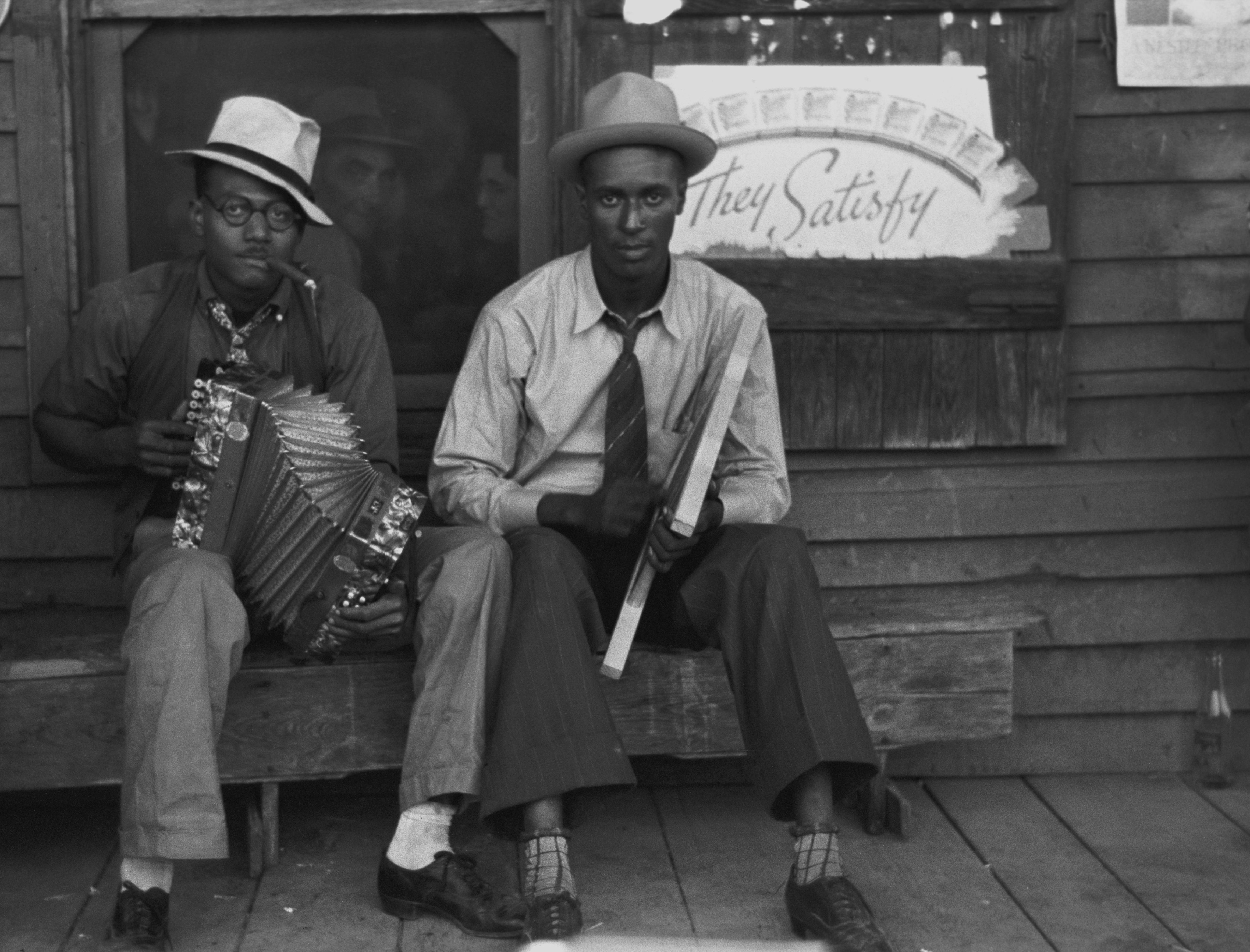
Zydeco [zahy-di-koh] is a form of American roots or folk music. It evolved in southwest Louisiana in the early 19th century from forms of Creole music. The rural black Creoles of southwest Louisiana and southeast Texas still sing in Louisiana Creole French. The word is derived from the French word le zaricot, which means ‘green beans’ or ‘snap beans.’
Usually fast tempo and dominated by accordion and a form of a washboard known as a ‘rub-board’ or frottoir, zydeco music was originally created at house dances, where families and friends gathered for socializing. Sometimes the music moved to the Catholic Church community center, as Creoles were mostly Catholic. Later it moved to rural dance halls and nightclubs. As a result, the music integrated waltzes, shuffles, two-steps, blues, rock and roll, and most dance music forms of the era. Today, the tradition of change and evolution in the music continues. It stays current while integrating even more genres such as R&B, soul, brass band, reggae, urban hip, ska, rock, Afro-Caribbean and other styles, in addition to the traditional forms.
Playing for Change is a multimedia music project created by the American producer and sound engineer Mark Johnson with his Timeless Media Group, that seeks to bring together musicians from around the world. Playing For Change also created a separate non-profit organization called the Playing For Change Foundation which builds music schools for children around the world.
The creators of the project, Mark Johnson and Enzo Buono, traveled around the world to places such as New Orleans, Barcelona, South Africa, India, Nepal, the Middle East and Ireland. Using a mobile recording equipment, the duo recorded local musicians performing the same song, interpreted into their own style.
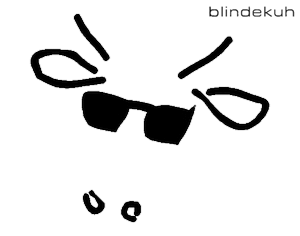

Blindekuh are two restaurants where patrons are served in the dark. The restaurants are located in Basel and Zürich, Switzerland. The name is derived from ‘Blinde Kuh’ (blind cow), the German name for blind man’s bluff. No lights are allowed inside a Blindekuh. Patrons are served by blind and visually impaired people. Both locations offer cultural events such as readings or concerts in the dark.
The first Blindekuh, opened on September 17, 1999 and is claimed to be the world’s first dark restaurant. The concept has subsequently been replicated elsewhere, including in London, Paris, Sydney, Amsterdam, Tel Aviv and Beijing as restaurants and multiple cities in the United States. Some dark restaurants supply night vision equipment to the wait staff.
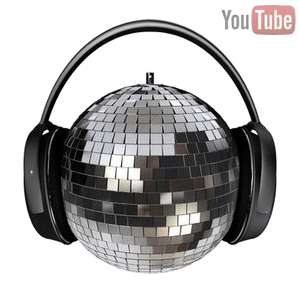
A silent disco is a disco where people dance to music listened to on headphones. Rather using than a speaker system, music is broadcast via an FM transmitter with the signal being picked up by wireless headphone receivers worn by the partygoers. Those without the headphones hear no music, giving the effect of a room full of people dancing to nothing. Often two DJs compete for listeners. Silent discos and silent gigs are popular at music festivals as they allow dancing to continue past noise curfews. Similar events are ‘mobile clubbing’ gatherings, where a group of people meet up, often on short notice, to dance to the music on their personal music players.
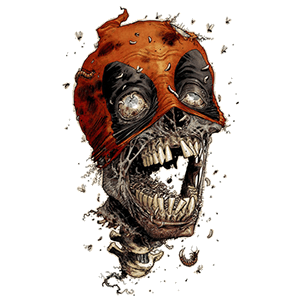
Deadpool is a fictional character and anti-hero appearing in comic books published by Marvel Comics. Created by artist Rob Liefeld and writer Fabian Nicieza, Deadpool first appeared in ‘The New Mutants’ #98 in 1991. A disfigured and mentally unstable mercenary, Deadpool originally appeared as a villain, but the character has since starred in several ongoing series, which is used by writers for humorous effect. The character is famous for his tendency to break the fourth wall and is frequently referred to by the moniker ‘Merc with a Mouth.’
In 1991 Rob Liefeld, a fan of the ‘Teen Titans’ comics, showed his new character to then writer Fabian Nicieza. Upon seeing the costume and noting his characteristics (killer with super agility), Nicieza said, ‘this is Deathstroke from Teen Titans.’ Nicieza gave Deadpool the real name of ‘Wade Wilson’ as an in-joke to being related to ‘Slade Wilson,’ aka Deathstroke. In his first appearance, Deadpool was hired to attack Cable and the New Mutants. After subsequently appearing in ‘X-Force’ as a recurring character, Deadpool began making guest appearances in various different Marvel Comics titles such as the ‘Avengers,’ ‘Daredevil,’ and ‘Heroes for Hire.’
read more »
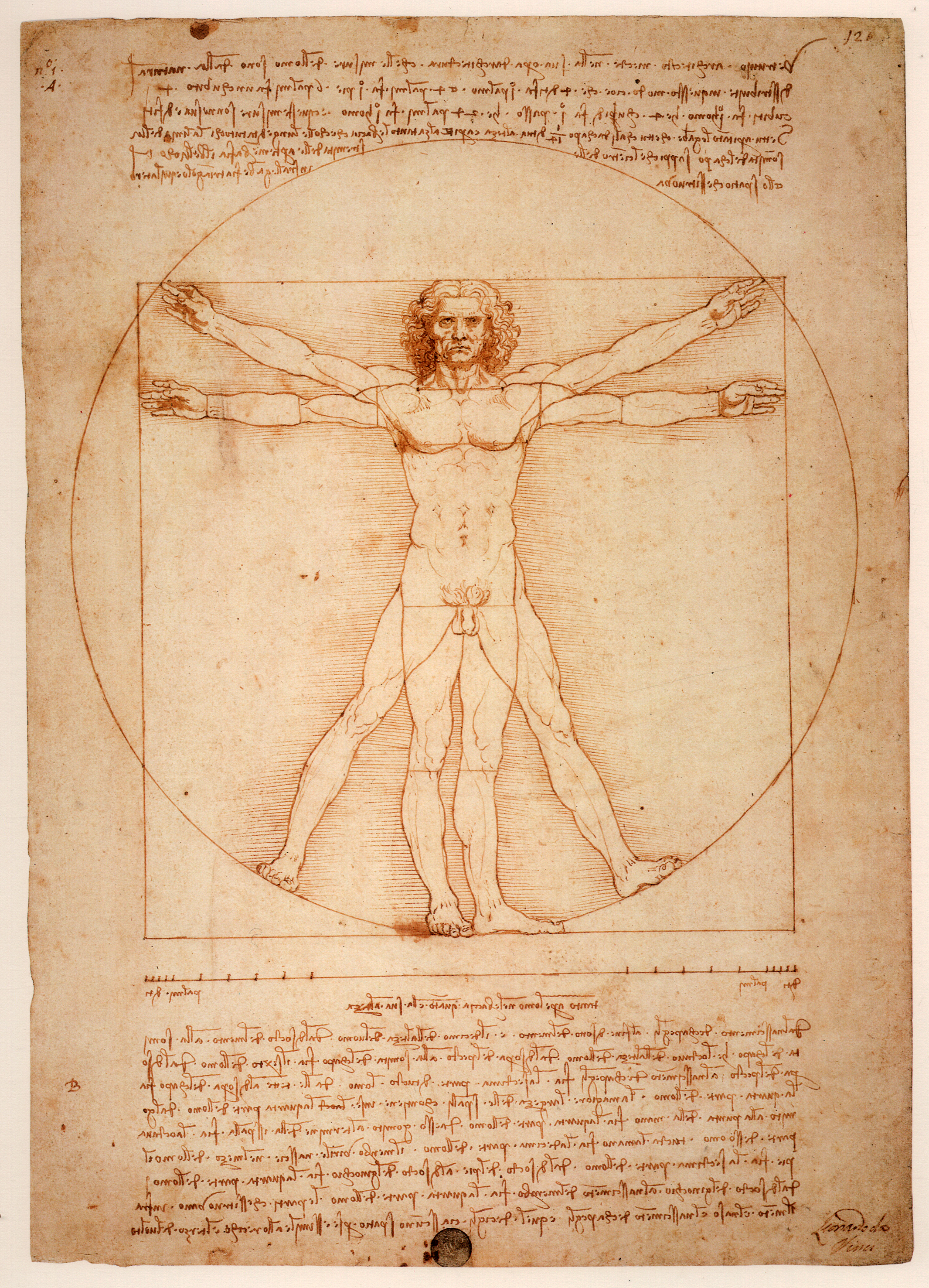
The Vitruvian [vi-troo-vee-uhn] Man is a world-renowned drawing created by Leonardo da Vinci around the year 1487. It is accompanied by notes based on the work of the famed architect, Vitruvius. The drawing, which is in pen and ink on paper, depicts a male figure in two superimposed positions with his arms and legs apart and simultaneously inscribed in a circle and square. The drawing and text are sometimes called the Canon of Proportions or, less often, Proportions of Man. It is stored in the Gallerie dell’Accademia in Venice, Italy, and, like most works on paper, is displayed only occasionally.
The drawing is based on the correlations of ideal human proportions with geometry described by the ancient Roman architect Vitruvius in Book III of his treatise De Architectura. Vitruvius described the human figure as being the principal source of proportion among the Classical orders of architecture. Other artists had attempted to depict this concept, with less success. Leonardo’s drawing is traditionally named in honor of the architect.


 The Daily Omnivore