September 3, 2010
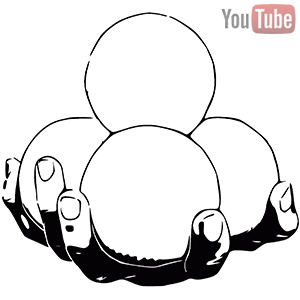
Contact juggling is a form of object manipulation that focuses on the movement of objects such as balls in contact with the body. Although often used with ‘toss’ juggling, it typically involves the rolling of one or more balls on the hands and arms to create visual illusions without releasing the props into the air. It is divided into three main techniques: body rolling (manipulating one or more props around the hands, arms, and body), palm spinning (manipulating two or more balls in the open hand so that at least one ball is in motion), and isolation (manipulating a ball so that it appears to be suspended in place).
Some of the manipulations have been performed for centuries, but contact juggling in its modern form originated with a routine called ‘Light’ developed by Michael Moschen in the 1980s. He received high regard from the international circus community for his range of innovative new techniques, and was awarded the MacArthur genius grant in 1990.
Posted in Art, Games |
Leave a Comment »
August 25, 2010
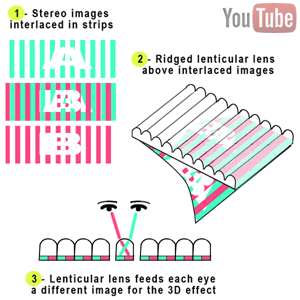
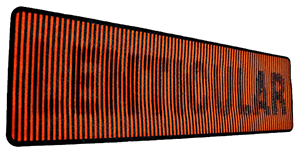
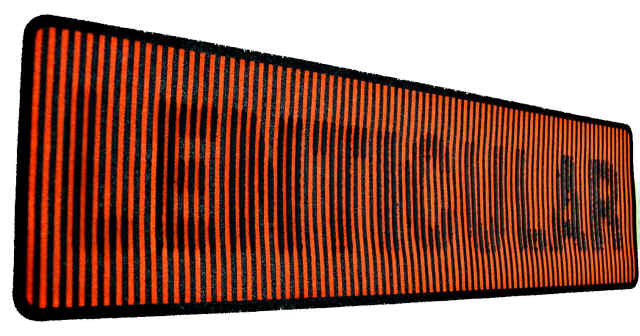
Lenticular [len-tik-yuh-ler] printing is a technology in which a lenticular lens (an array of magnifying lenses, designed so that when viewed from slightly different angles, different images are magnified) is used to produce images with an illusion of depth, or the ability to change or move as the image is viewed from different angles. This technology was created in the 1940s but has evolved in recent years to show more motion and increased depth.
Posted in Art, Technology |
Leave a Comment »
August 25, 2010
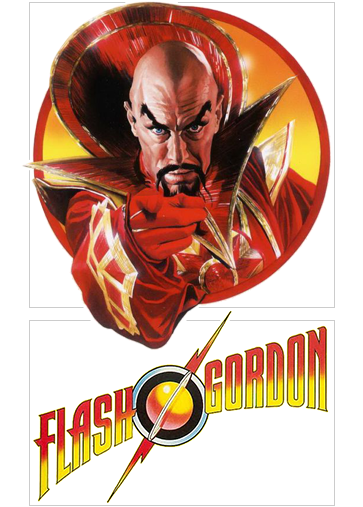
Ming the Merciless is a fictional character who first appeared in the Flash Gordon comic strip in 1934. He has since been the main villain of the strip and its related movie serials, TV shows and film adaptation. The capital of his empire is named ‘Mingo City’ in his honour. In addition to his army, Ming has access to a wide variety of science fiction gadgets, ranging from rocket ships to death rays to robots.
Posted in Art |
Leave a Comment »
August 24, 2010
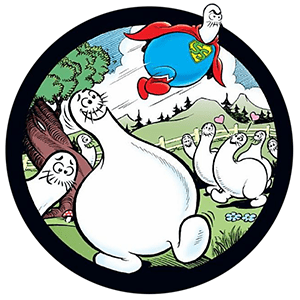
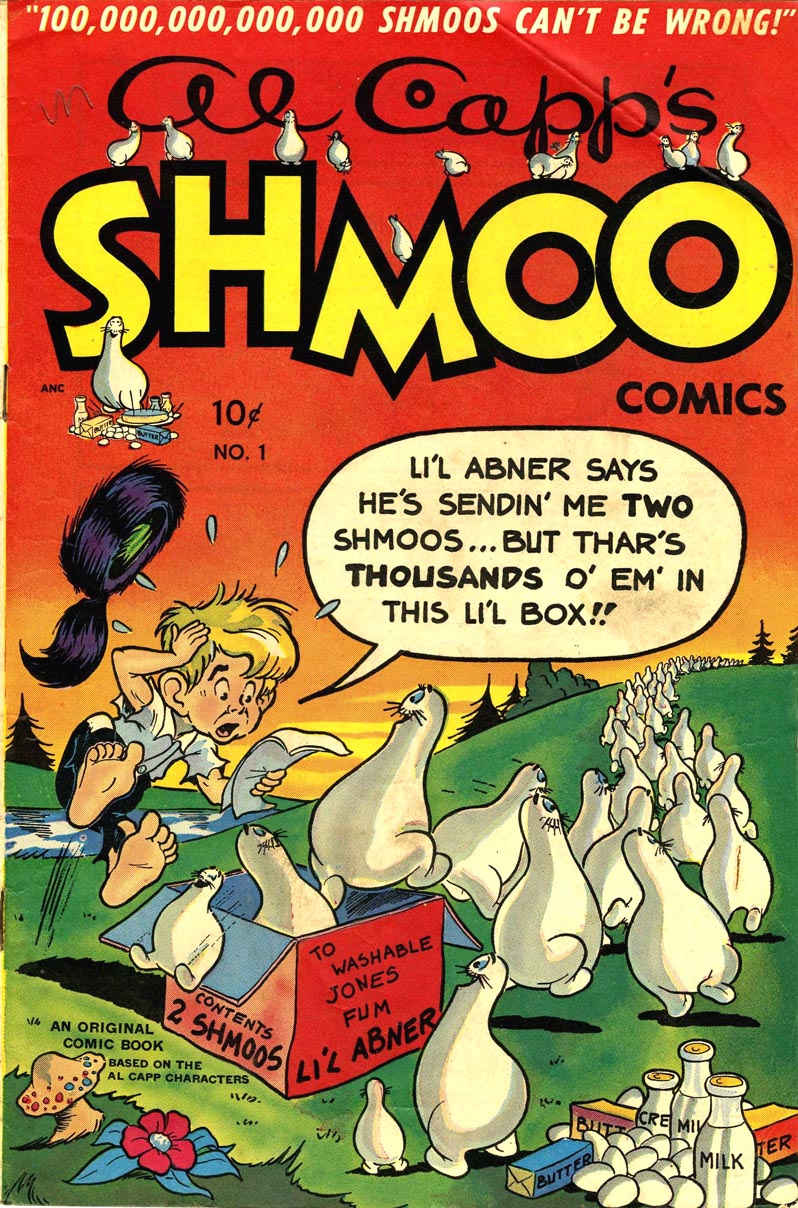
A shmoo is a fictional cartoon creature created by Al Capp. They first appeared in his comic strip ‘Li’l Abner’ on August 31, 1948, and quickly became a postwar national craze in the USA. Shmoon reproduce asexually, require no sustenance other than air, make good pets, are delicious to eat, and are eager to be eaten. Their pelts make perfect boot leather or house timber, depending on how thick you slice it. They have no bones, their eyes make the best suspender buttons, and their whiskers make perfect toothpicks. In short, they are the ideal herd animal.
In the comic strip the frolicking of shmoon is so entertaining that people no longer feel the need to watch television or go to the movies. It’s been used in discussions of socioeconomics, for instance, a widget is any material good which is produced through labor from a finite resource. In contrast, a shmoo is a material good that reproduces itself and is captured or bred as an economic activity.
Posted in Art, Humor, Money |
Leave a Comment »
August 16, 2010
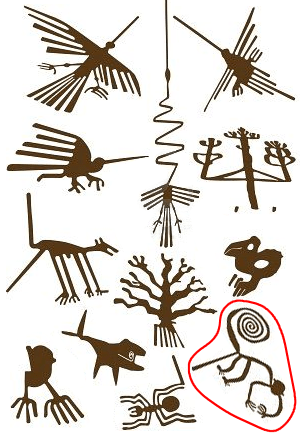
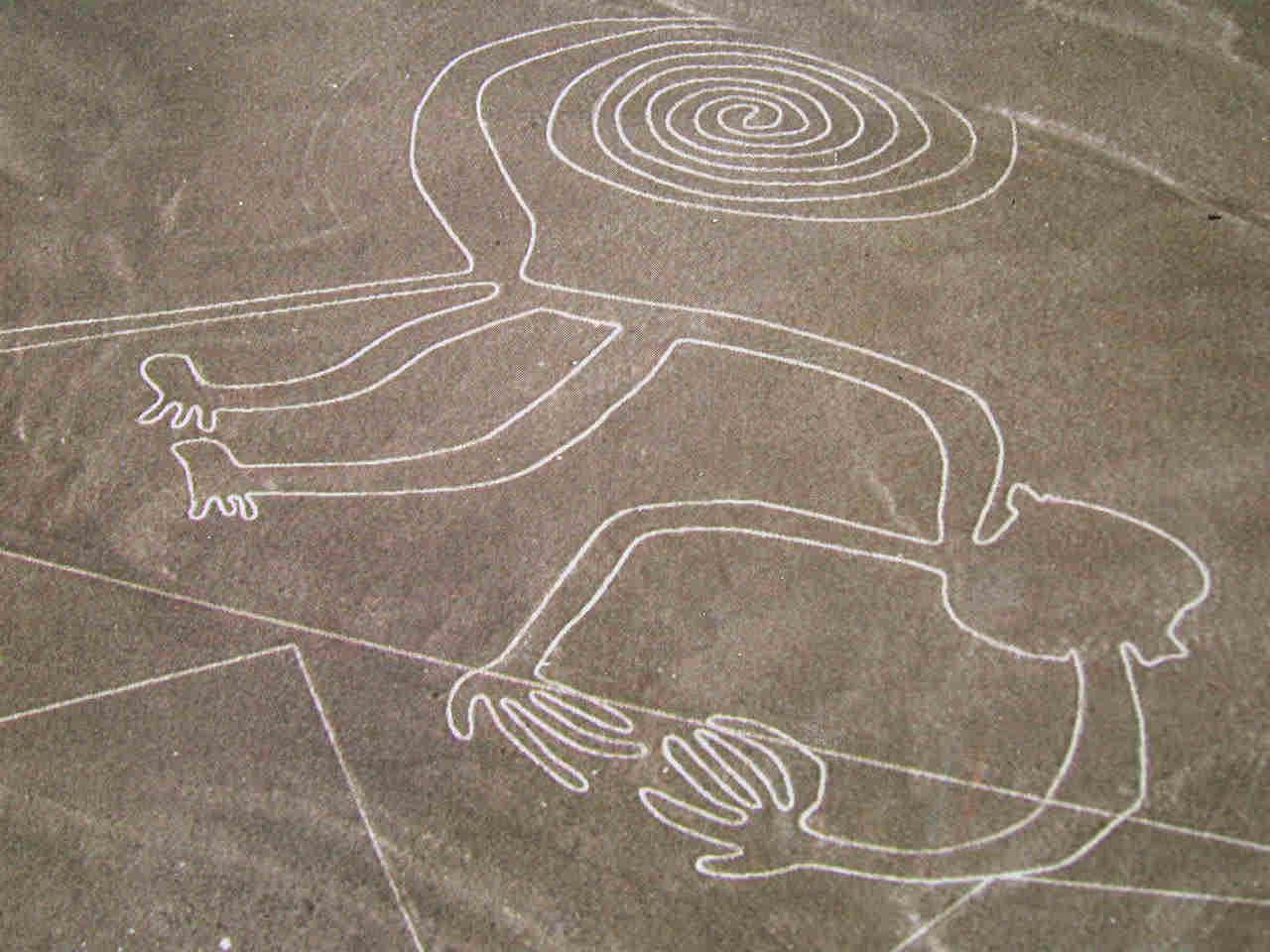
The Nazca Lines are a series of ancient geoglyphs located in the Nazca Desert of Peru. They have been designated a UNESCO World Heritage Site. Scholars believe the Nazca Lines were created by the Nazca culture between 400 and 650 AD. The hundreds of individual figures range in complexity from simple lines to stylized hummingbirds, spiders, monkeys, fish, sharks or orcas, llamas, and lizards.
The lines are shallow designs made in the ground by removing the ubiquitous reddish pebbles and uncovering the whitish ground beneath. Hundreds are simple lines or geometric shapes; more than seventy are designs of animal, bird, fish or human figures. The largest figures are over 660 ft across. Scholars differ in interpreting the purpose of the designs, but they generally ascribe religious significance to them, as they were major works that required vision, planning and coordination of people to achieve.
Posted in Art, World |
Leave a Comment »
August 16, 2010
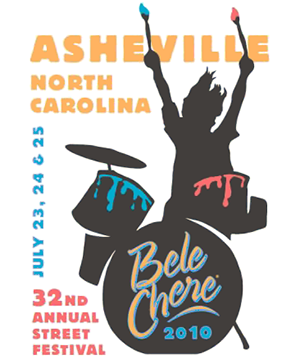
Bele Chere is an annual music and arts street festival held in downtown Asheville, North Carolina. The festival has been held annually on the last weekend in July since the late 1970s. It is the largest free festival in the Southeastern United States, attracting over 350,000 people. Displayed art covers a variety of media types including painting, photography, pottery and jewelry. A variety of music genres are represented at the festival, including Country, Blues, Folk, Mountain, Rock and Jazz .
Posted in Art |
Leave a Comment »
August 16, 2010
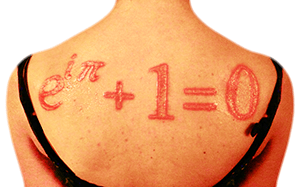
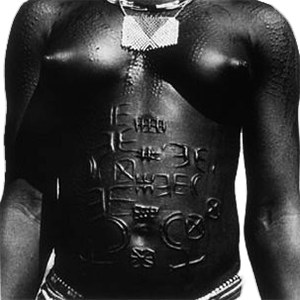
Scarification [skar-uh-fi-key-shuhn], sometimes called cicatrization, involves scratching, etching, burning, or superficially cutting designs, pictures, or words into the skin as a permanent body modification.
Posted in Art, World |
Leave a Comment »
August 16, 2010
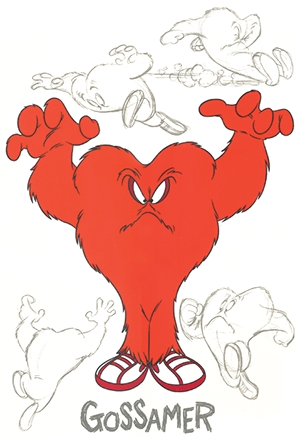
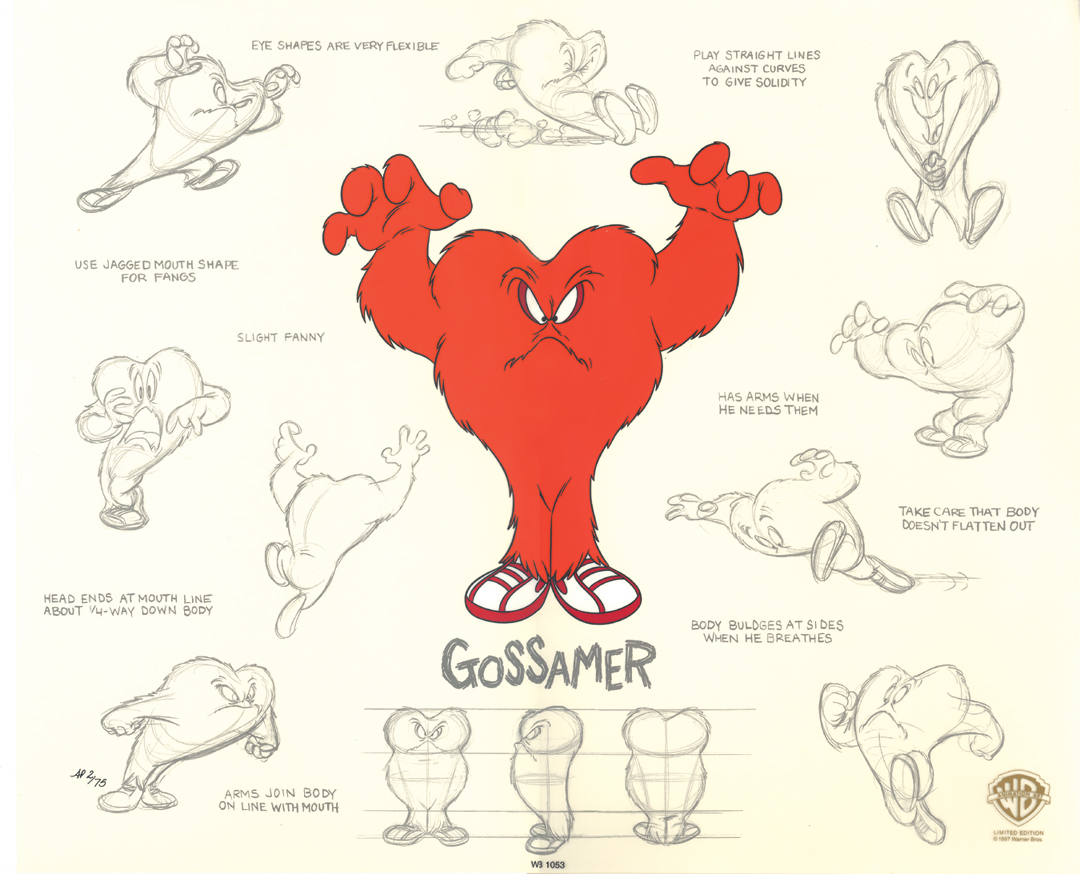
Gossamer is an animated cartoon character in the Warner Bros. Looney Tunes and Merrie Melodies series of cartoons. The character is a hairy, orange monster. His rectangular body is perched on two giant tennis shoes, and his heart-shaped face is composed of only two oval eyes and a wide mouth, with two hulking arms. The monster’s main trait, however, is bright uncombed red hair.
In fact, a gag in the 1980 short Duck Dodgers and the Return of the 24½th Century lampoons this by revealing that Gossamer is, in fact, composed entirely of hair. He was originally voiced by Mel Blanc and has been voiced by Joe Alaskey and Jim Cummings. The word ‘Gossamer’ refers to things light, delicate, or insubstantial. The name is meant to be ironic, since the character is large, menacing, and destructive.
Posted in Art, Humor |
Leave a Comment »
August 12, 2010
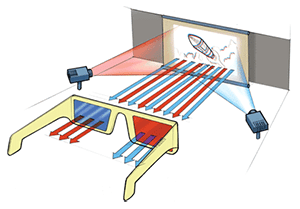
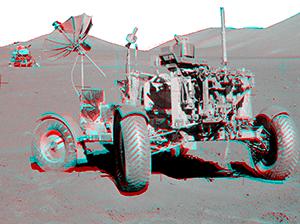
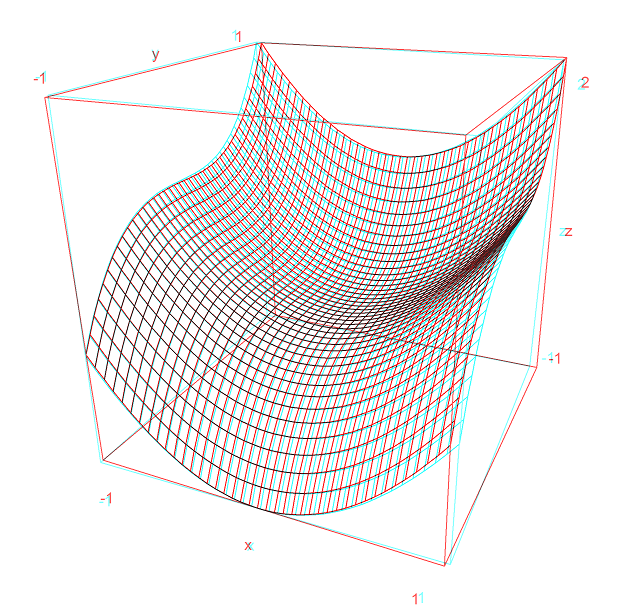
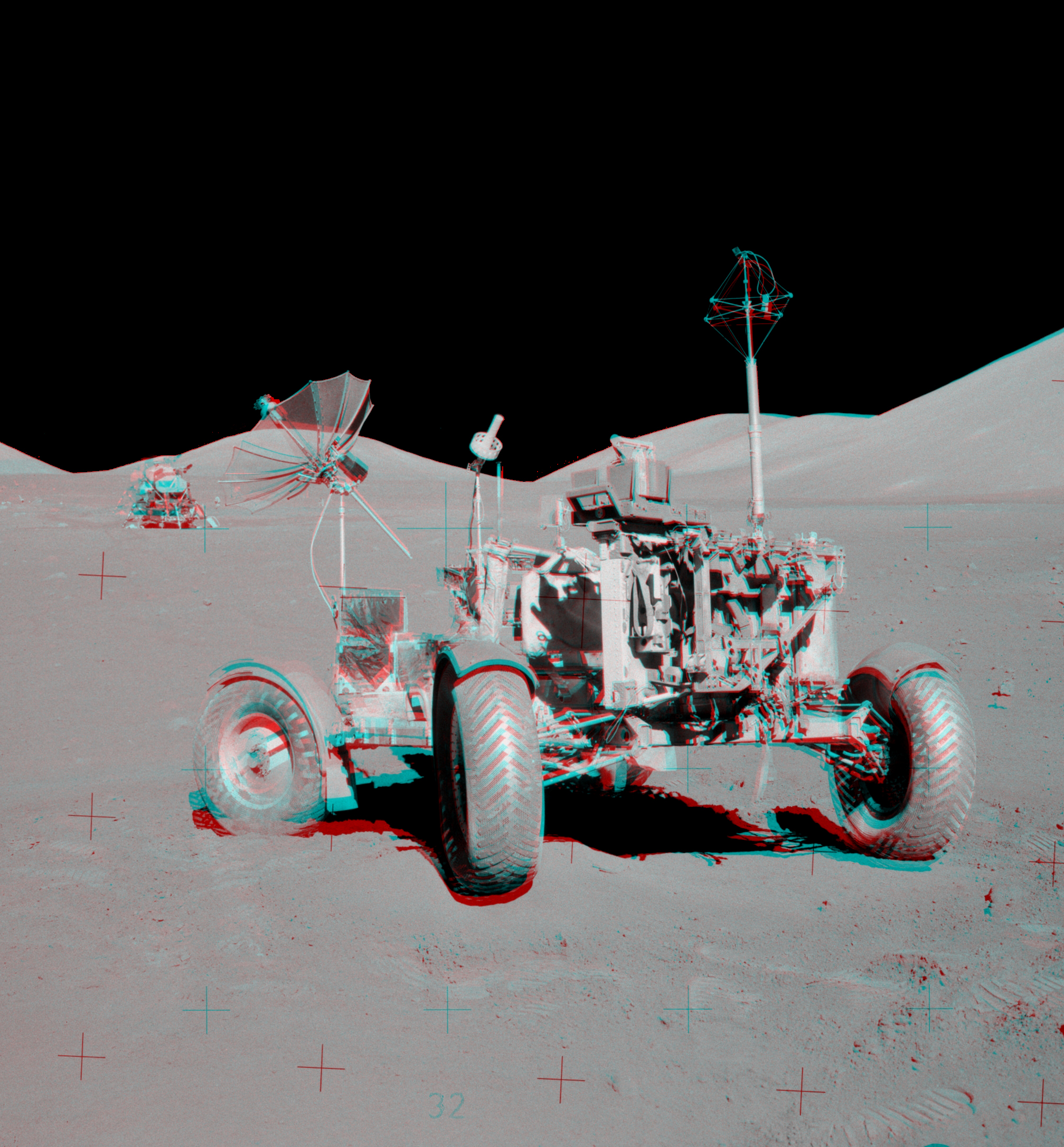
Anaglyph [an-uh-glif] images are used to provide a stereoscopic 3D effect, when viewed with 2 color glasses (usually red and cyan). Video games, theatrical films, and other media can be shown in the anaglyph 3D process. Practical images, for science or design, where depth perception is useful, include the presentation of full scale and microscopic stereographic images.
Examples from NASA include Mars Rover imaging, and 3D images of the sun. Other applications include geological illustrations by the USGS. A recent application is for stereo imaging of the heart using 3D ultra-sound with plastic red/cyan glasses. Anaglyph images are much easier to view than stereograms, but don’t render colors as accurately. Recently, cross-view prismatic glasses with adjustable masking have appeared, that offer a wider image on the new HD video and computer monitors.
Posted in Art, Technology |
Leave a Comment »
August 11, 2010

Hollywood accounting refers to the notoriously opaque accounting methods used by Hollywood to budget and record profits for film projects. Expenditures can be inflated to reduce or eliminate the profit of the project thereby reducing the amount which the corporation must pay in royalties or other profit-sharing agreements based on the net profit.
For example, Winston Groom’s price for the screenplay rights to his novel Forrest Gump included a share of the profits; however, due to Hollywood accounting, the film’s commercial success was converted into a net loss, and Groom received nothing. That being so, he has refused to sell the screenplay rights to the novel’s sequel, stating that he, ‘cannot in good conscience allow money to be wasted on a failure.’
Posted in Art, Money, Politics |
Leave a Comment »
August 11, 2010
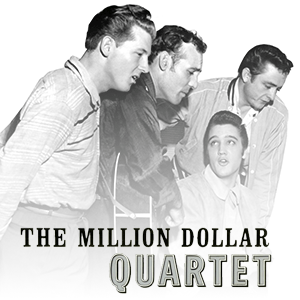
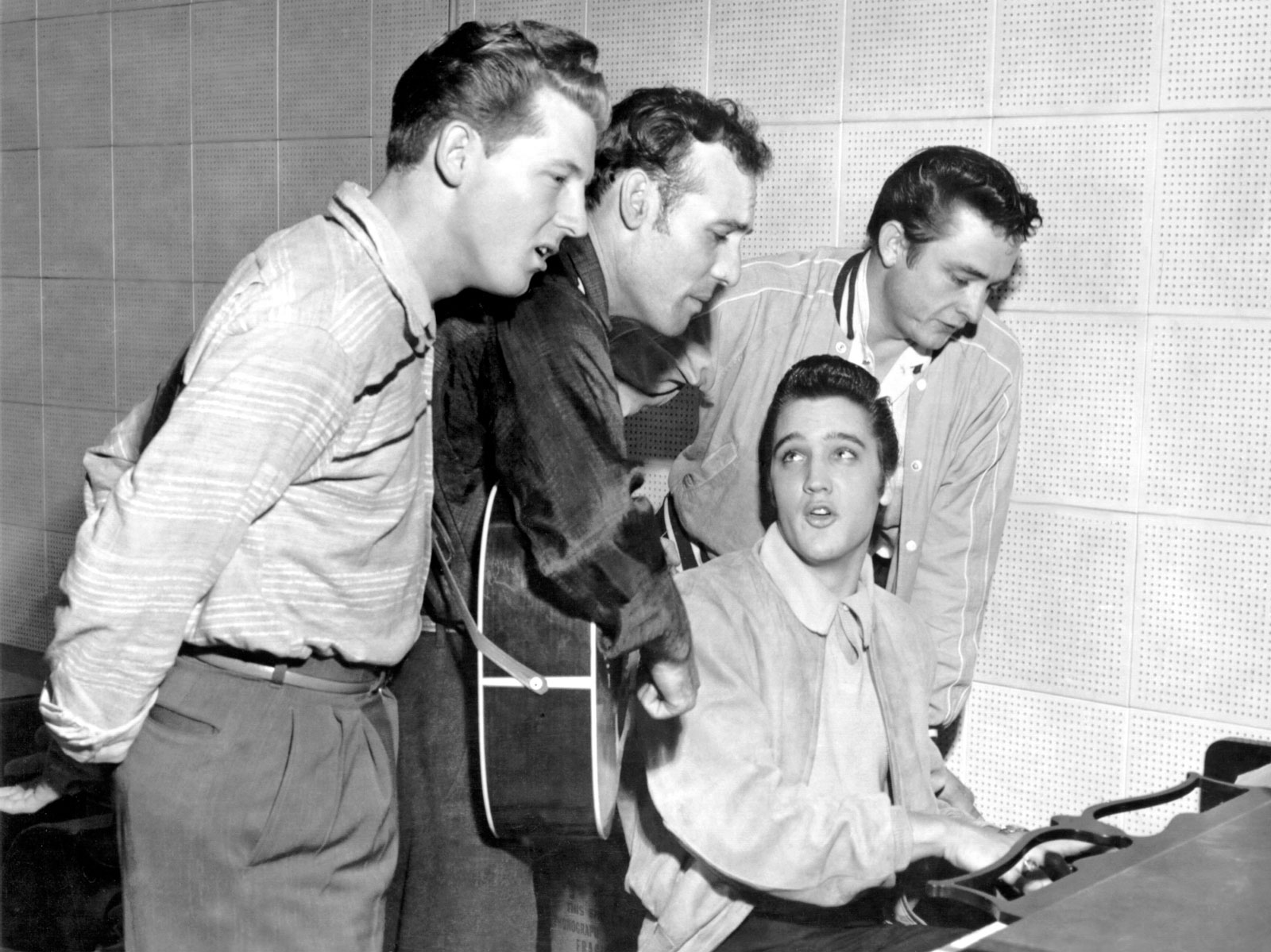
The Million Dollar Quartet is the name given to recordings made on Tuesday December 4, 1956 in the Sun Record Studios in Memphis, Tennessee. The recordings were of an impromptu jam session between Elvis Presley, Jerry Lee Lewis, Carl Perkins, and Johnny Cash.
Posted in Art |
Leave a Comment »
August 7, 2010
Klezmer [klez-mer] is a musical tradition of the Ashkenazic Jews of Eastern Europe. Played by professional musicians called klezmorim, the genre consists largely of dance tunes and instrumental display pieces for weddings and other celebrations. Although the genre has its origins in Eastern Europe, the particular form now known as klezmer developed in the United States in the milieu of Yiddish-speaking Jewish immigrants who arrived between 1880 and 1924.
Of all the musical styles which influenced the traditional Klezmer musicians, the Romanian influence seems to be the strongest and most enduring. Traditional Romanian music was heard, adopted and adapted by Klezmer musicians. This fact is reflected in the dance forms found throughout the entire surviving Klezmer music repertoire (e.g., Horas).
Posted in Art, World |
Leave a Comment »