August 3, 2010
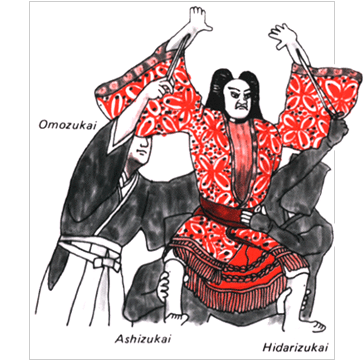
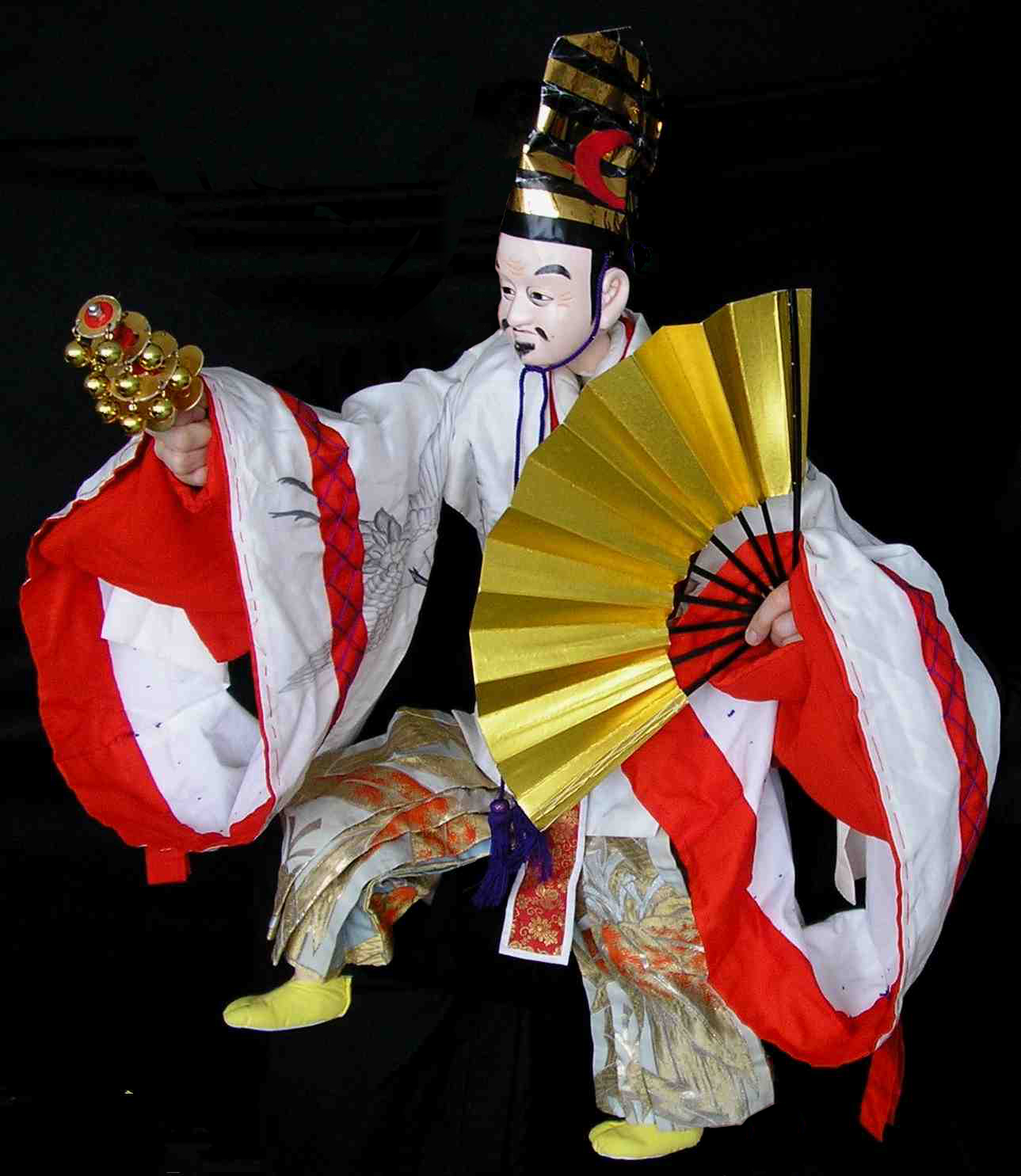
Bunraku [boon-rah-koo] is a form of traditional Japanese puppet theater, founded in Osaka in 1684. Bunraku puppets range in size from two-and-a-half to four feet tall or more, depending on the age and gender of the character and the conventions of the specific puppet troupe. All but the most minor characters require three puppeteers, who perform in full view of the audience, generally wearing black robes.
Originally, the term Bunraku referred only to a particular theater established in in Osaka, which was named the Bunrakuza. Today the term refers generically to any traditional puppet theater in Japan. Until the late 1800s there were hundreds of professional, semi-professional, and amateur troupes across Japan that performed traditional puppet drama. Since the end of World War II, the number of troupes has dropped to fewer than 30, most of which perform only once or twice a year, often in conjunction with local festivals.
Posted in Art, World |
Leave a Comment »
August 2, 2010

A morganatic [mor-ga-nat-ic] marriage is a type of marriage which can be contracted in certain countries, usually between people of unequal social rank, which prevents the passage of the husband’s titles and privileges to the wife and any children born of the marriage. It is also known as a left-handed marriage because in the wedding ceremony the groom holds his bride’s right hand with his left hand instead of his right.
Generally, this is a marriage between a male of high birth (such as from a royal or reigning house), and a woman of lesser status (such as from a non-royal or non-reigning house, or with a profession that is traditionally considered lower-status). Neither the bride nor any children of the marriage has any claim on the groom’s titles, rights, or entailed property. The children are considered legitimate on other counts and the prohibition of bigamy applies.
Posted in Money, Politics, World |
Leave a Comment »
August 2, 2010
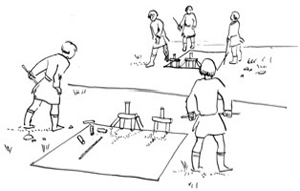
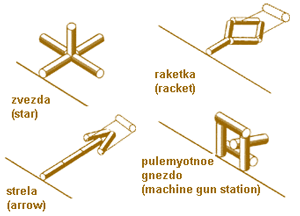
Gorodki is an ancient Russian folk sport. Similar to bowling and somewhat of the horseshoes concept, the aim of the game is to knock out groups of skittles arranged in some pattern by throwing a bat at them. The skittles, or pins, are called gorodki (literally little cities or townlets), and the square zone in which they are arranged is called the gorod (city).
Posted in Games, World |
Leave a Comment »
August 1, 2010
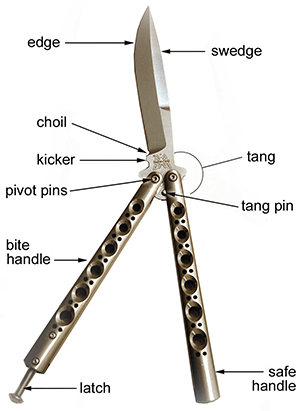
A Balisong, otherwise known as a butterfly knife or fan knife, is a folding pocket knife with two handles counter-rotating around the tang such that, when closed, the blade is concealed within grooves in the handles. It is sometimes called a Batangas knife. In the hands of a trained user, the knife blade can be brought to bear quickly using one hand. Manipulations, called ‘flipping’ or ‘fanning,’ are performed for art or amusement. The Balisong is commonly used by Filipino people as a pocket utility knife.
Posted in World |
Leave a Comment »
August 1, 2010

Happy Farm is a social network game, or massively multiplayer online game, based on farm management simulation. It is played predominantly by users in Mainland China and Taiwan, and is the most popular MMOG in terms of players. At the height of its popularity, there were 23 million daily active users, logging on to the game at least every day. Happy Farm was developed by Chinese social game developer 5 Minutes in 2008. It allows players to grow crops, trade with others, sell produce, and steal from neighbors. The game was influenced by the Japanese RPG series, ‘Harvest Moon.’ The game peaked during the end of the 2000s, and in the following years, experienced a sharp decline in players. As of 2012, it had practically vanished.
‘Happy Farm’ went on to inspire many more farming social network games, including ‘FarmVille,’ as well as parodies such as ‘Jungle Extreme’ and ‘Farm Villain.’ In 2009, ‘Harvest Moon’ developers Marvellous Entertainment eventually released their own farming social network game, ‘Bokujo Monogatari,’ for the Japanese site Mixi.’
Posted in Games, Technology, World |
Leave a Comment »
August 1, 2010
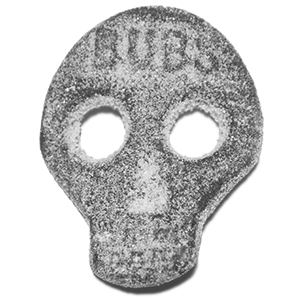
Salty liquorice, salmiak or salmiakki is a variety of liquorice that contains a relatively large amount of ammonium chloride (salmiac) in addition to the liquorice root extract, sugar, and starch or gum arabic that constitute normal liquorice. Ammonium chloride has a spicy taste that vaguely resembles that of sodium chloride (table salt). However, salty liquorice does not necessarily contain any sodium.
Although some types of regular liquorice can also contain a small amount of ammonium chloride, salty liquorice can contain up to about 8 percent of ammonium chloride. Moreover, the salty taste is typically less masked by a high sugar content compared to regular liquorice. Salty liquorice candies are almost always black or very dark brown and can range from very soft to very hard and may be brittle. The other colors used are white and variants of grey.
Posted in Food, World |
Leave a Comment »
July 21, 2010
La Mexicaine De Perforation is a subdivision of a French group called the L’UX (Urban eXperiment), which holds clandestine artistic events. In September 2004, french police discovered a fully functional underground movie theatre run by La Mexicaine De Perforation in the catacombs of Paris.
When the police returned for a formal investigation, all the equipment had disappeared—all that was left was a note on the floor reading, ‘Do not search’ (‘Ne cherchez pas’). The members of L’UX are largely secret, but its spokesman is Lazar Kunstmann who published La Culture En Clandestins L’UX relating 25 years of clandestine cultural actions.
Posted in Art, Politics, World |
Leave a Comment »
July 20, 2010
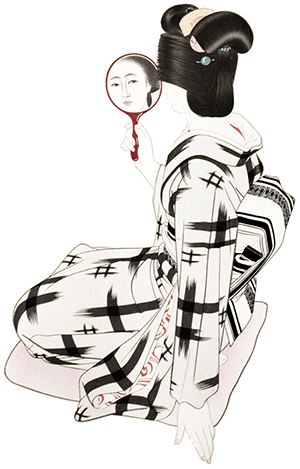

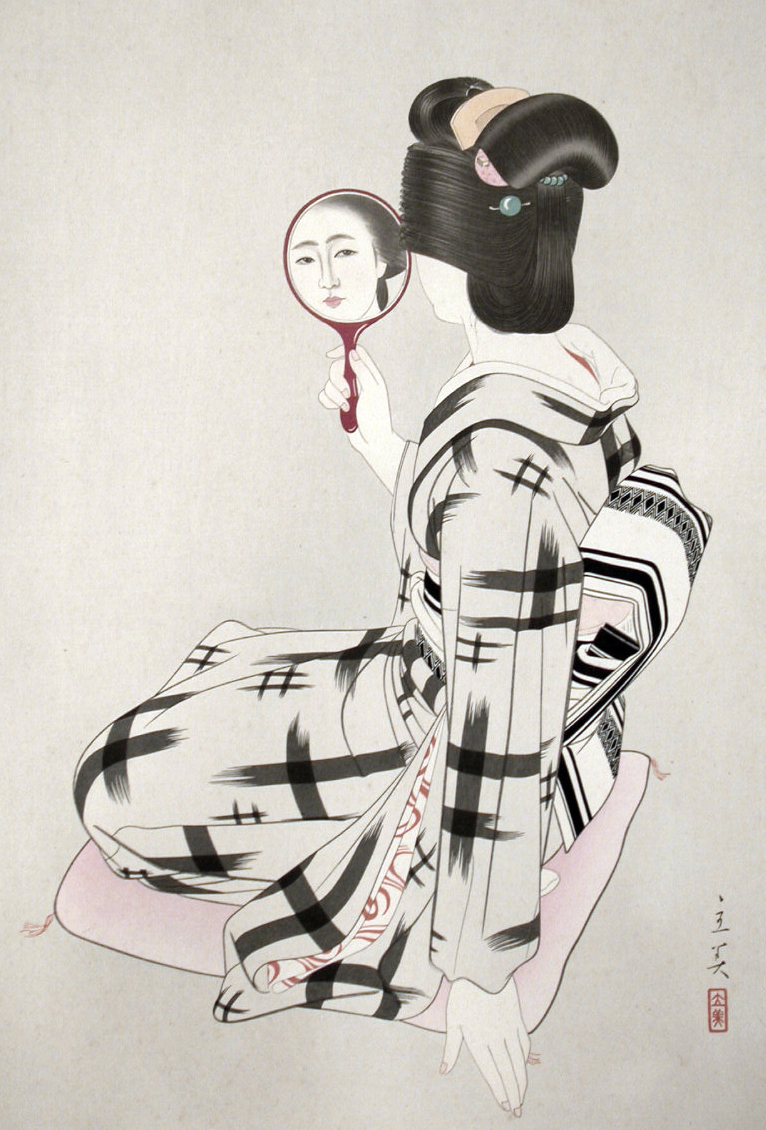
Ukiyo-e is a genre of Japanese woodblock prints (or woodcuts) and paintings produced between the 17th and the 20th centuries, featuring motifs of landscapes, tales from history, the theatre, and pleasure quarters. Usually the word ukiyo is literally translated as ‘floating world’ in English, referring to a conception of an evanescent world, impermanent, fleeting beauty and a realm of entertainments (kabuki, courtesans, geisha) divorced from the responsibilities of the mundane, everyday world.
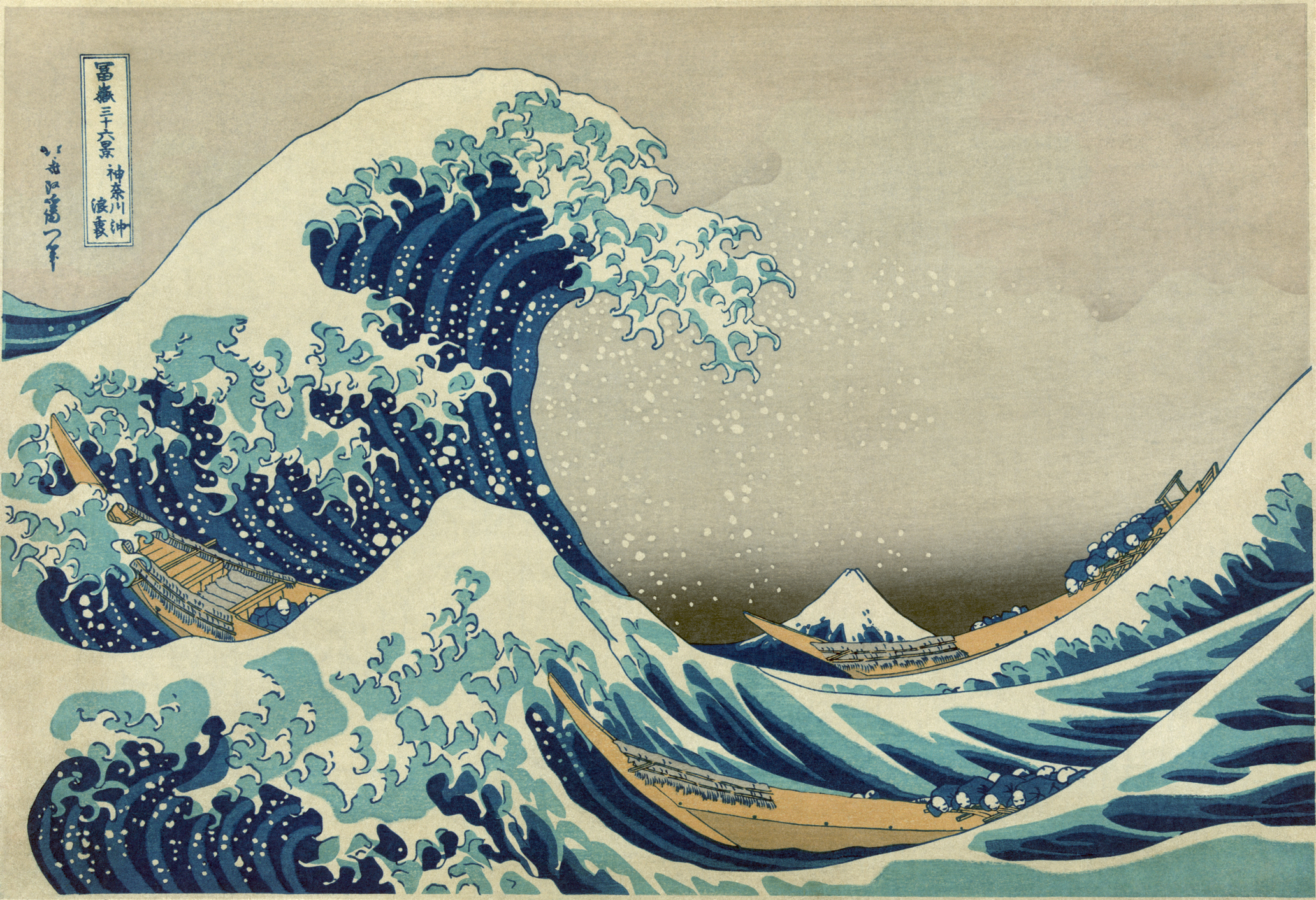
Ukiyo-e were affordable because they could be mass-produced, and they were mainly meant for townsmen, who were generally not wealthy enough to afford an original painting. Hokusai (1760 – 1849) is among the most reknown ukiyo-e artists. His woodblock print series Thirty-six Views of Mount Fuji, which includes The Great Wave off Kanagawa, has been shown in galleries and museums all over the world.
Posted in Art, World |
Leave a Comment »
July 20, 2010
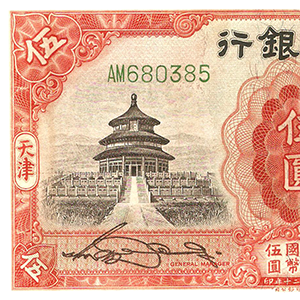
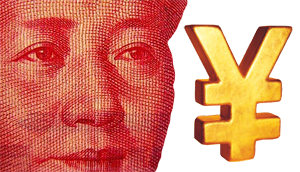
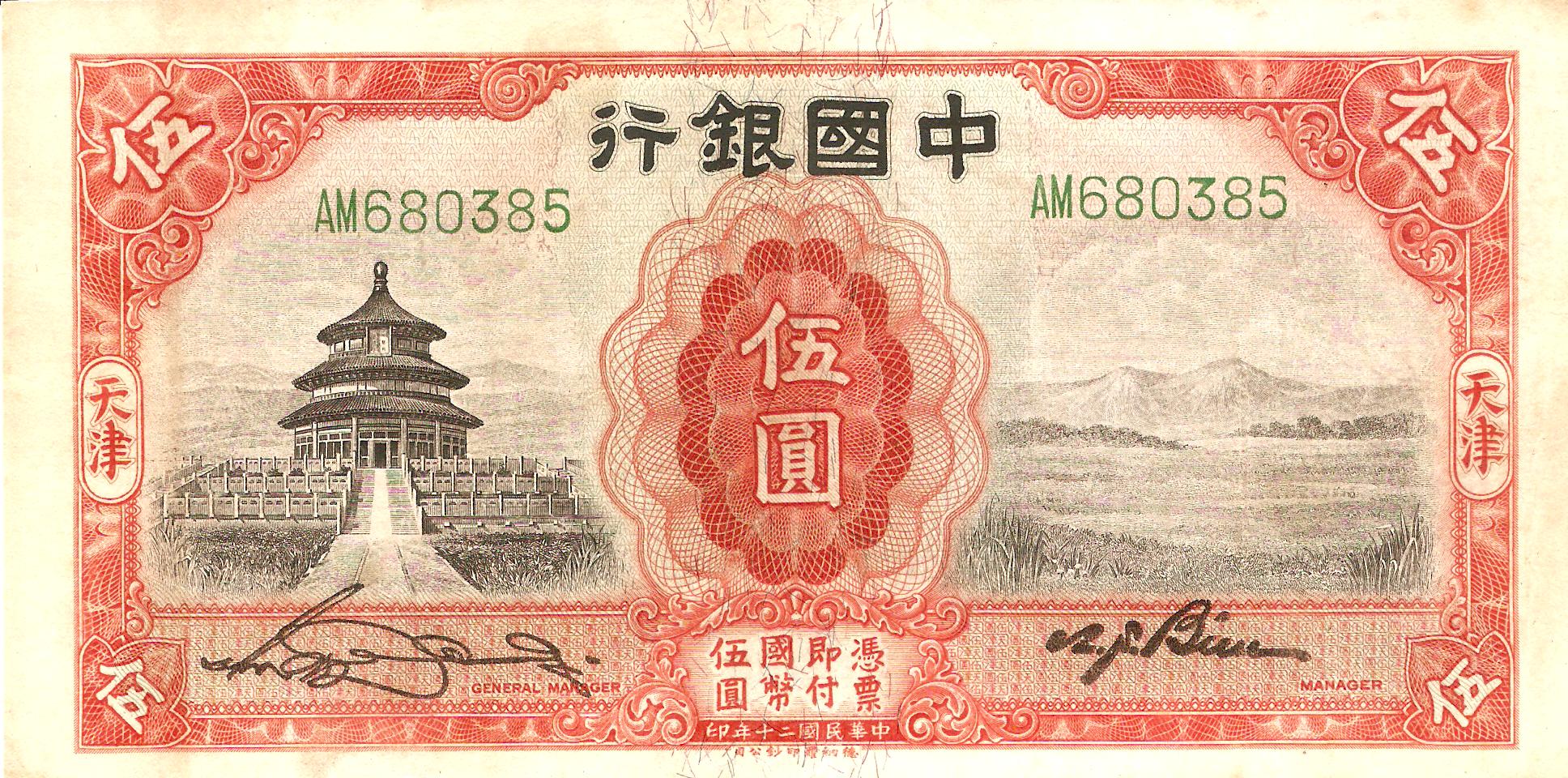
The Renminbi [ren-min-bee] is the official currency of China whose principal unit is the Yuan. The currency is legal tender in mainland China, but not in Hong Kong and Macau. Renminbi translates as people’s currency. A yuán is also known colloquially as a kuài. One yuán is divided into 10 jiao. One jiao is divided into 10 fēn.
Posted in Money, World |
Leave a Comment »
July 17, 2010

A kōan [koh-ahn] is a fundamental part of the history and lore of Zen Buddhism. It consists of a story, dialogue, question, or statement, the meaning of which cannot be understood by rational thinking but may be accessible through intuition. One widely known kōan is ‘what is the sound of one hand clapping.’ The word kōan, the name by which practice is known to the West, comes from the Japanese pronunciation of the Chinese characters.
Posted in Language, Philosophy, World |
Leave a Comment »
July 17, 2010

The keffiyeh is a traditional headdress typically worn by Arab men made of a square of cloth, usually cotton, folded and wrapped in various styles around the head. It is commonly found in arid climate areas to provide protection from direct sun exposure, as well as for occasional use in protecting the mouth and eyes from blown dust and sand. Its distinctive woven check pattern originated in an ancient Mesopotamian representation of either fishing nets or ears of grain.
Posted in Art, World |
Leave a Comment »
July 17, 2010

The evil eye is a look that is superstitiously believed by many cultures to be able to cause injury or bad luck on the person at whom it is directed for reasons of envy or dislike. The idea appears several times in the Old Testament. It was a widely extended belief between many Mediterranean tribes and cultures: Classical Greece probably learned this belief from ancient Egypt, and later passed it to ancient Rome. The hamsa is a palm-shaped amulet popular throughout the Middle East and North Africa as a defense against the evil eye. It is believed to originate in ancient practices associated with the Phoenicians of Carthage.
Posted in Art, Philosophy, World |
Leave a Comment »




 The Daily Omnivore