March 16, 2011


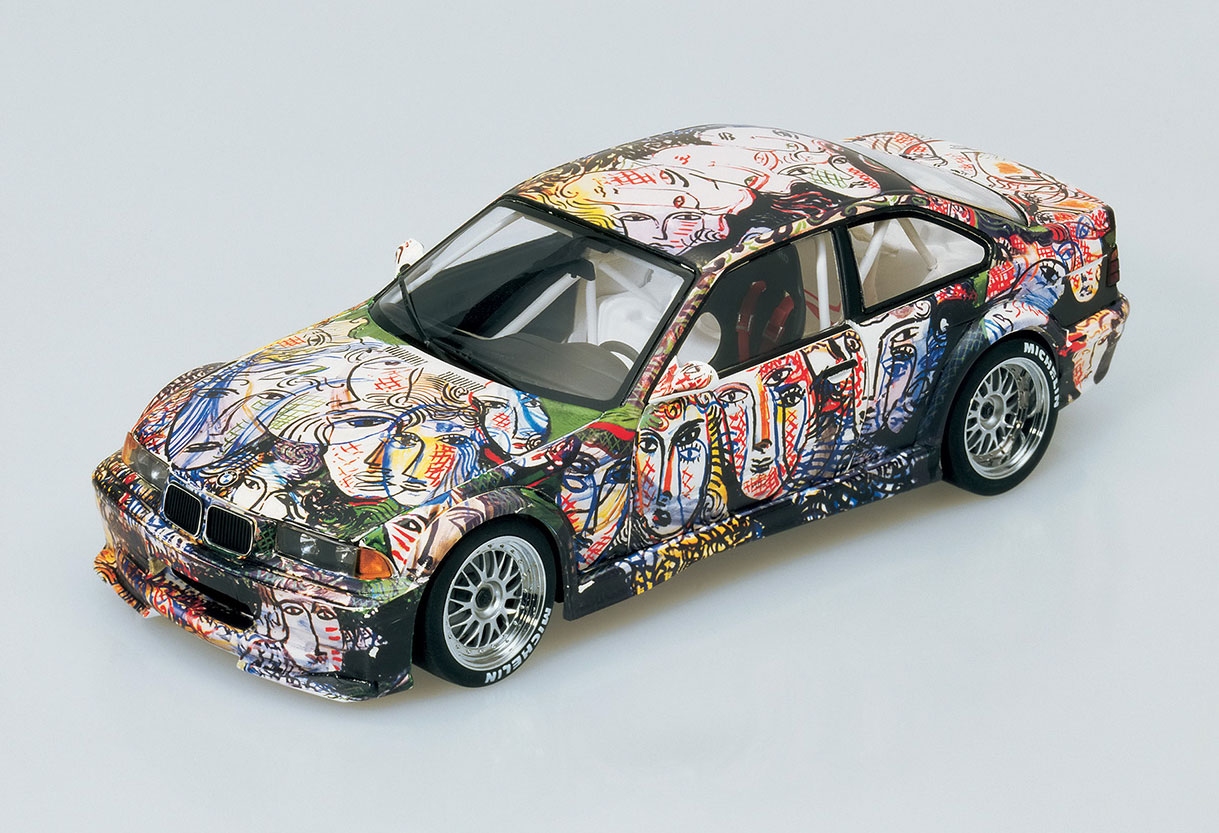
The BMW Art Car Project was introduced by the French racecar driver and auctioneer Hervé Poulain, who wanted to invite an artist to create a canvas on an automobile. It was in 1975, when Poulain commissioned American artist and friend Alexander Calder to paint the first BMW Art Car.
This first example would be a BMW 3.0 CSL which Poulain himself would race in the 1975 Le Mans endurance race. Since Calder’s work of art, many other renowned artists throughout the world have created BMW Art Cars, including Roy Lichtenstein, Andy Warhol, and Jeff Koons.
Posted in Art, Money, Technology |
1 Comment »
March 16, 2011
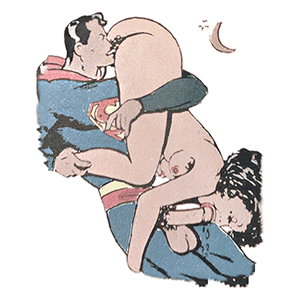
Tijuana bibles (also known as bluesies, eight-pagers, gray-backs, Jiggs-and-Maggie books, jo-jo books, Tillie-and-Mac books, and two-by-fours) were pornographic comic books produced in the United States from the 1920s to the early 1960s. Their popularity peaked during the Great Depression era. The typical ‘bible’ is 4 by 6 inches (approximately 10 by 15 cm) with black print on cheap white paper and running eight pages in length. In most cases the artists, writers, and publishers are unknown.
The subjects are explicit sexual escapades usually featuring well known cartoon characters, political figures, or movie stars, invariably used without permission. Tijuana bibles repeated ethnic stereotypes found in popular culture at the time. Wesley Morse (who later went on to draw ‘Bazooka Joe’) is believed to have drawn Tijuana bibles before WWII. Superman co-creator, Joe Shuster illustrated a Tijuana-bible-styled erotic work called ‘Nights of Horror’ in the early 1950s.
Posted in Art, Money, Sex |
Leave a Comment »
March 16, 2011
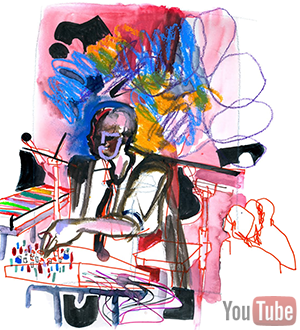
Matmos is an experimental electronic music duo originally from San Francisco but now residing in Baltimore signed to the Matador Records label. M. C. Schmidt and Drew Daniel are the core members, but they frequently include other artists on their records and in their performances, including J Lesser.
Much of their work could be classified as a pop version of the musique concrète genre (a forbearer of modern electronic music). The name Matmos refers to the seething lake of evil slime beneath the city Sogo in the 1968 film Barbarella.
Posted in Art, Money, Technology |
Leave a Comment »
March 16, 2011

‘Barbarella‘ is a 1968 science fiction film based on the French comics of the same name by Jean-Claude Forest. The film was directed by Roger Vadim and stars Jane Fonda, who was married to Vadim at the time.
In an unspecified future, Barbarella is assigned by the President of Earth to retrieve Doctor Durand-Durand from the planet Tau Ceti in order to save the world. Durand-Durand is the inventor a new weapon, the Positronic Ray.
Continue reading →
Posted in Art, Humor, Sex |
Leave a Comment »
March 16, 2011

Barbarella is a fictional heroine in the French science fiction comic book created by Jean-Claude Forest. He created the character for serialisation in the French V-Magazine in spring 1962, and in 1964 Eric Losfeld later published these strips as a stand-alone book, under the title Barbarella. The stand-alone version caused a scandal and became known as the first ‘adult’ comic-book, despite its eroticism being slight and the existence of the Tijuana bibles (pornographic comic books) well before this date.
Barbarella is a young woman who travels from planet to planet and has numerous adventures, often involving sex (the aliens she meets often seduce her, and she also experiments with a ‘machine excessive’ or ‘orgasmotron’). The original comic book version of Barbarella was probably modelled on Brigitte Bardot, who was once married to the director of the 1968 film, Roger Vadim. Vadim’s third wife, Jane Fonda, starred as Barbarella in the 1968 movie based on the character. For her creator, the character embodied the modern woman in the era of sexual liberation.
Posted in Art, Sex, World |
Leave a Comment »
March 16, 2011
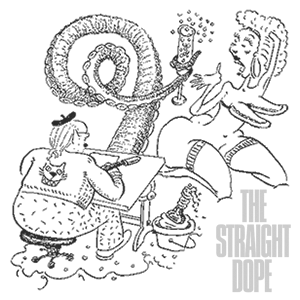
Tentacle rape, or shokushu goukan, is a concept found in some horror hentai titles (pornographic comics and animation), where various tentacled creatures (usually fictional monsters) rape or otherwise penetrate women, anthropomorphous creatures, Futanari (hermaphrodites) and, less commonly, men.
The genre is quite popular in Japanese erotica, and is even the subject of much parody. For Western audiences, tentacle erotica often symbolizes hentai as a phenomenon. Tentacled creatures appeared in Japanese erotica long before animated pornography.
Continue reading →
Posted in Art, Sex, World |
Leave a Comment »
March 16, 2011

Hentai is a Japanese word that literally means ‘strange appearance,’ but is also used to mean ‘perverted.’ Hentai, because of this, is a word used by countries outside of Japan to show pornographic and sex-related anime, manga, and video games. The word is not used to mean this in Japan. In Japan, terms such as ‘ecchi’ are used. Since hentai is anime, the performers are not bound by physical laws. Makers of hentai often use this in very creative ways.
Censorship is practiced differently in Japan and in the US. Japanese law discourages showing of genitals in hentai, while the United States is more concerned about forbidding the display of sex acts involving people under 18. Hence, there are censoring mosaics in Japan, and scene removals and different ages of characters in America.
Continue reading →
Posted in Language, Sex, World |
2 Comments »
March 16, 2011

4chan is an English-language imageboard website. Its users have been responsible for the formation or popularization of several Internet memes such as lolcats, Rickrolling, ‘Chocolate Rain,’ Pedobear, and many others. The site’s ‘Random’ board is by far its most popular and notorious feature. Known as ‘/b/,’ there are very minimal rules on posted content. The site’s Anonymous community and culture have often provoked media attention. The Guardian once summarized the 4chan community as ‘lunatic, juvenile… brilliant, ridiculous and alarming.’
4chan was started in the bedroom of a 15-year old student from New York City who posts as ‘moot.’ He intended the site to be a place to discuss Japanese comics and anime, an American counterpart to the popular Japanese Futaba Channel (‘2chan’) imageboard. The site has had at least one employee, a programmer whom moot met via on-line Tetris. All other moderators are volunteers. 4chan is one of the Internet’s most trafficked free imageboards and financing has often been problematic.
Posted in Art, Humor, Technology |
Leave a Comment »
March 16, 2011

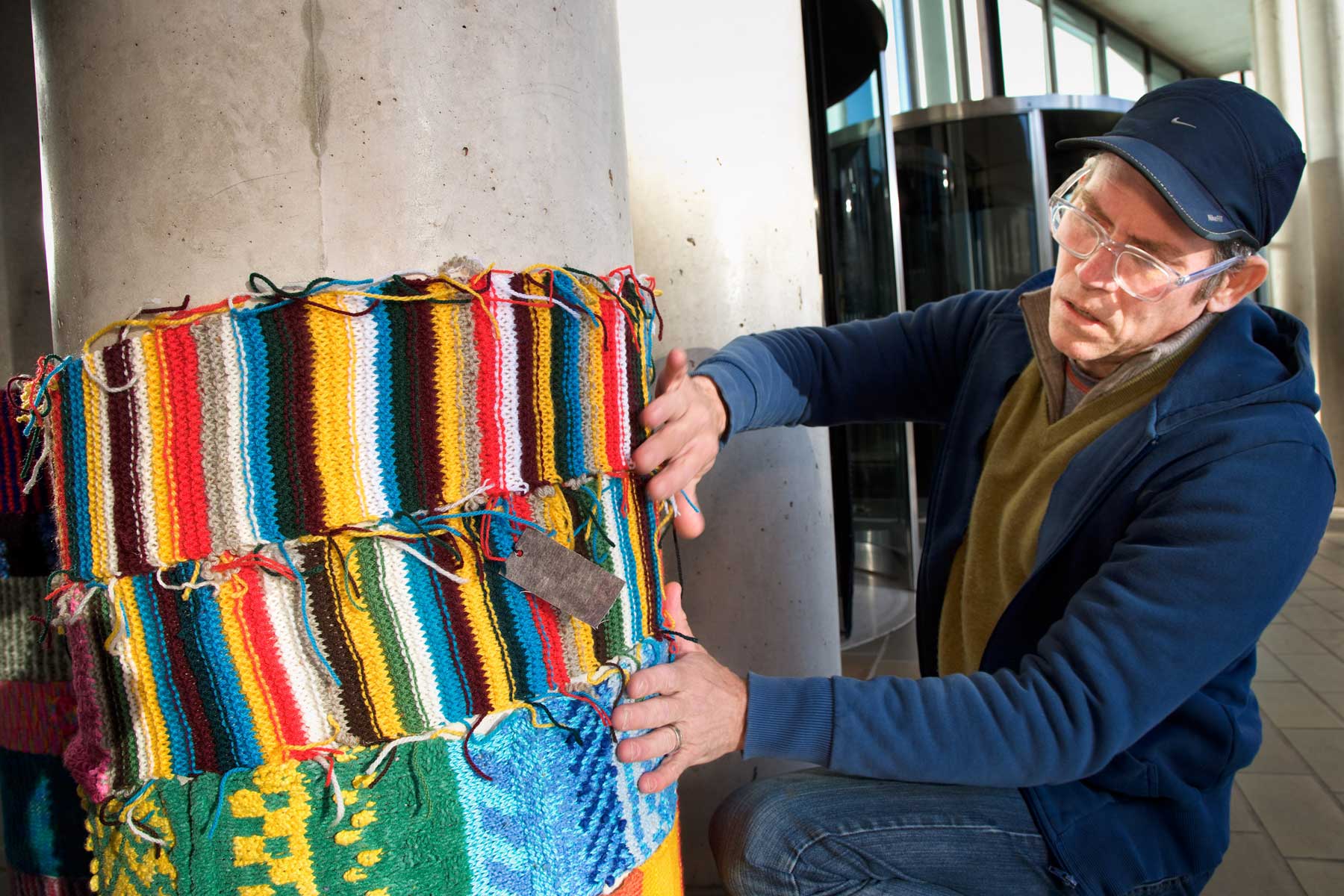
Knitta is the group of artists who began the ‘knit graffit’ or ‘yarnbombing’ movement in Houston in 2005. They wrap public architecture—e.g. lampposts, parking meters, telephone poles, and signage—with knitted or crocheted material. The mission is to make street art ‘a little more warm and fuzzy.’
Knitta grew to eleven members by the end of 2007, but has now dwindled down to one member, founder Magda Sayeg, who continues to travel and knit graffiti. Internationally, as many as a dozen groups have followed Knitta’s lead.
Continue reading →
Posted in Art, Humor, Politics |
Leave a Comment »
March 16, 2011


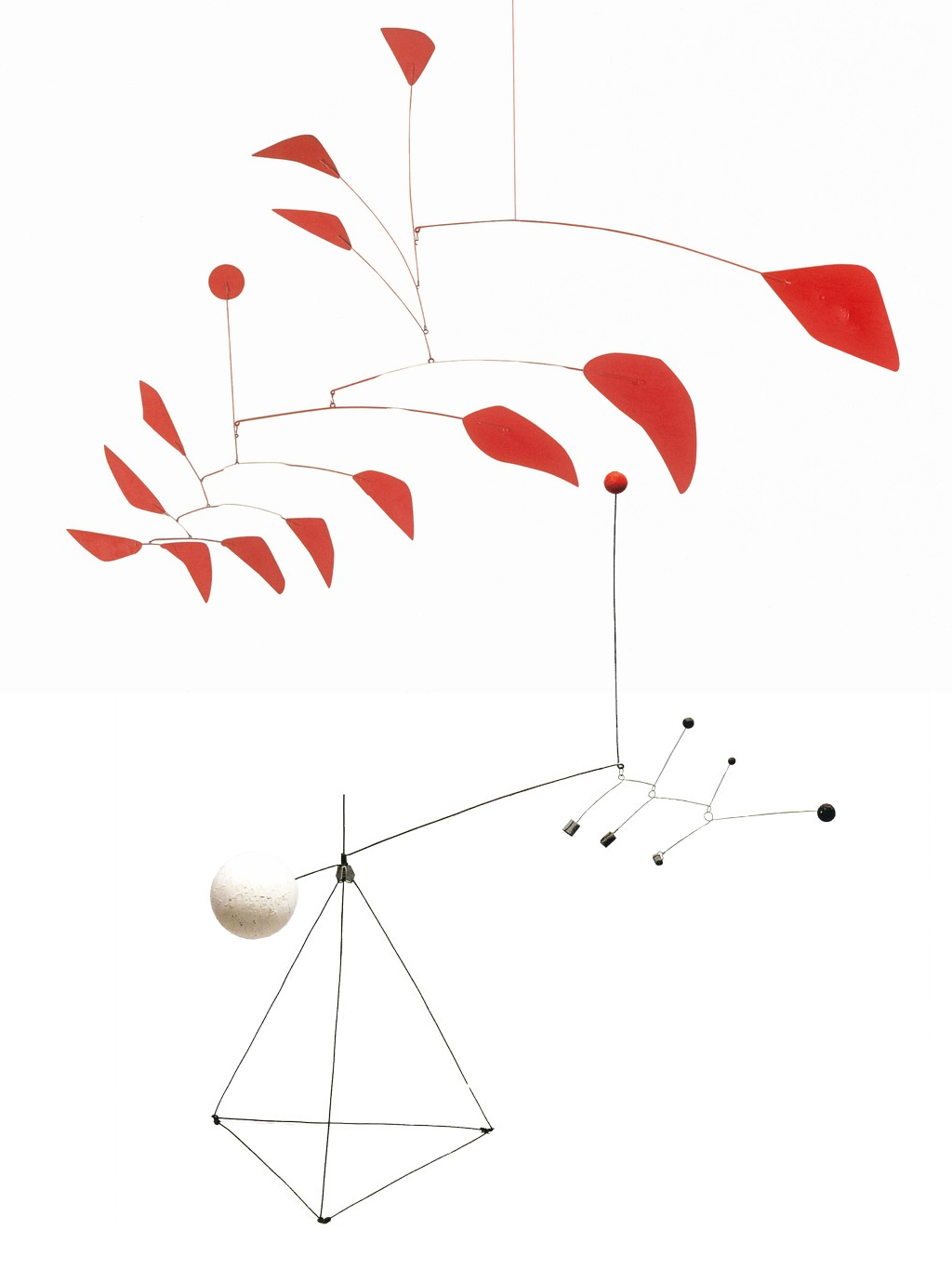
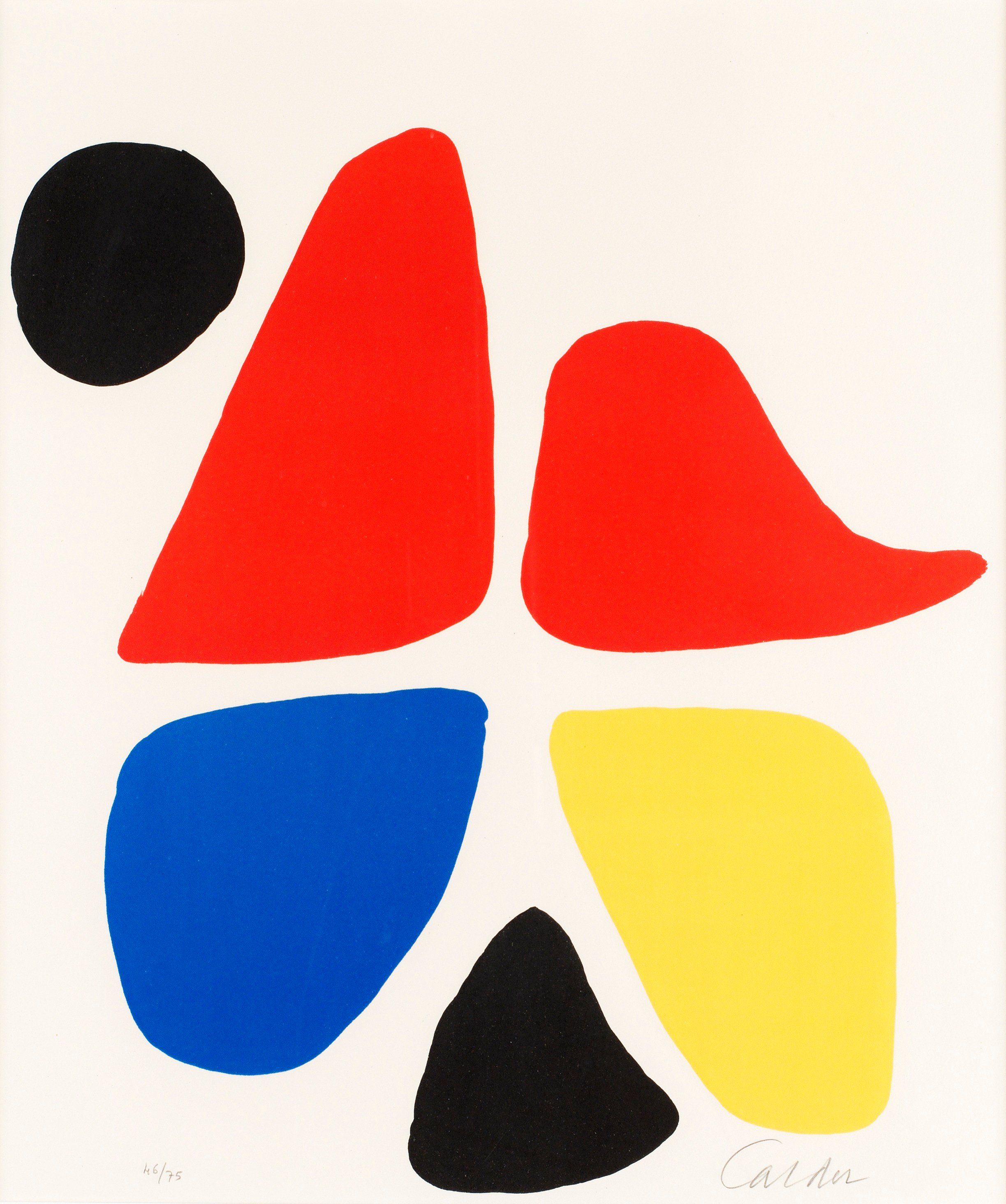
Alexander Calder [kawl-der] (1898 – 1976) was an American sculptor and artist most famous for inventing the mobile.
In addition to mobile and stabile sculpture, Alexander Calder also created paintings, lithographs, toys, tapestry, jewelry and household objects.
Continue reading →
Posted in Art, Money, Technology |
Leave a Comment »
March 15, 2011

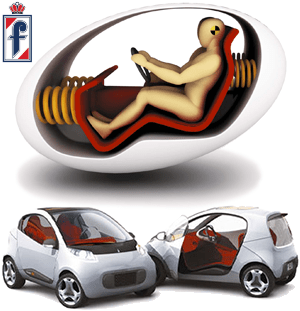
Pininfarina is an Italian car design firm and coachbuilder in Cambiano, Italy. Founded in 1930 by automobile designer and builder Battista ‘Pinin’ Farina, the company has been employed by a wide variety of high-end automobile manufacturers, including Ferrari, Maserati, Rolls-Royce, Cadillac, Jaguar, Volvo, Alfa Romeo, and Lancia. It also has designed trams in France, high-speed trains in Holland, and trolleys in the USA.
Continue reading →
Posted in Art, Money, Technology |
Leave a Comment »
March 15, 2011
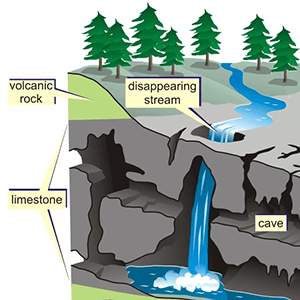
Karst [kahrst] topography is characterized by subterranean limestone caverns, carved by groundwater. It is a landscape shaped by the dissolution of a layer or layers of soluble bedrock, usually carbonate rock such as limestone or dolomite. Due to subterranean drainage, there may be very limited surface water, even to the absence of all rivers and lakes. Many karst regions display distinctive surface features, with sinkholes or dolines being the most common.
Some karst regions include thousands of caves, even though evidence of caves that are big enough for human exploration is not a required characteristic of karst. Serbian geographer, Jovan Cvijić (1865–1927) is recognized as the father of karst geomorphology. The international community has settled on ‘karst,’ the German name for Kras, a region in Slovenia partially extending into Italy, where it is called ‘Carso’ and where the first scientific research of a karst topography was made. The name has an Indo-European origin (from ‘karra’ meaning ‘stone’).
Posted in Language, Science |
Leave a Comment »