December 10, 2010


Cordyceps [kord-uh-seps] is a genus of mushrooms that grows on caterpillars and other insects; it has a number of Eastern and Western medical applications. It is used for a wide range of conditions including fatigue, sexual dysfunction, coughing, and as an adaptogen or immune stimulant.
An interesting feature of the Cordyceps species is the ability to affect the behavior of their insect host. Cordyceps unilateralis causes ants to climb a plant and attach there before they die. This ensures the parasite’s environment is of the optimal temperature and humidity, and maximal distribution of the spores from the fruiting body that sprouts out of the dead insect is achieved.
read more »
Posted in Drugs, Money, Science |
Leave a Comment »
December 9, 2010
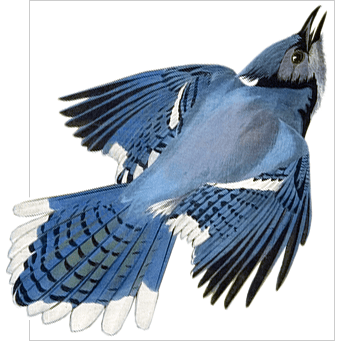

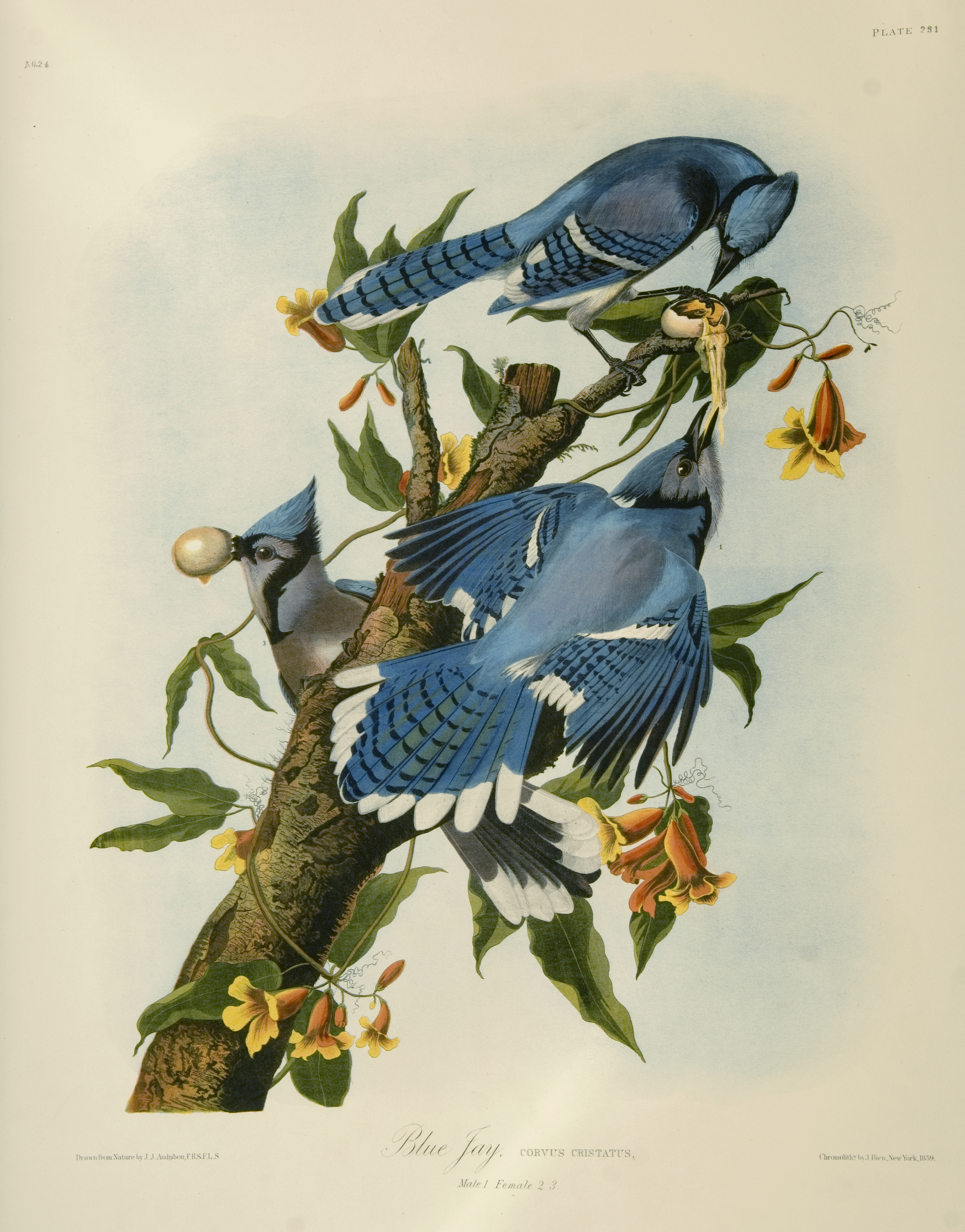
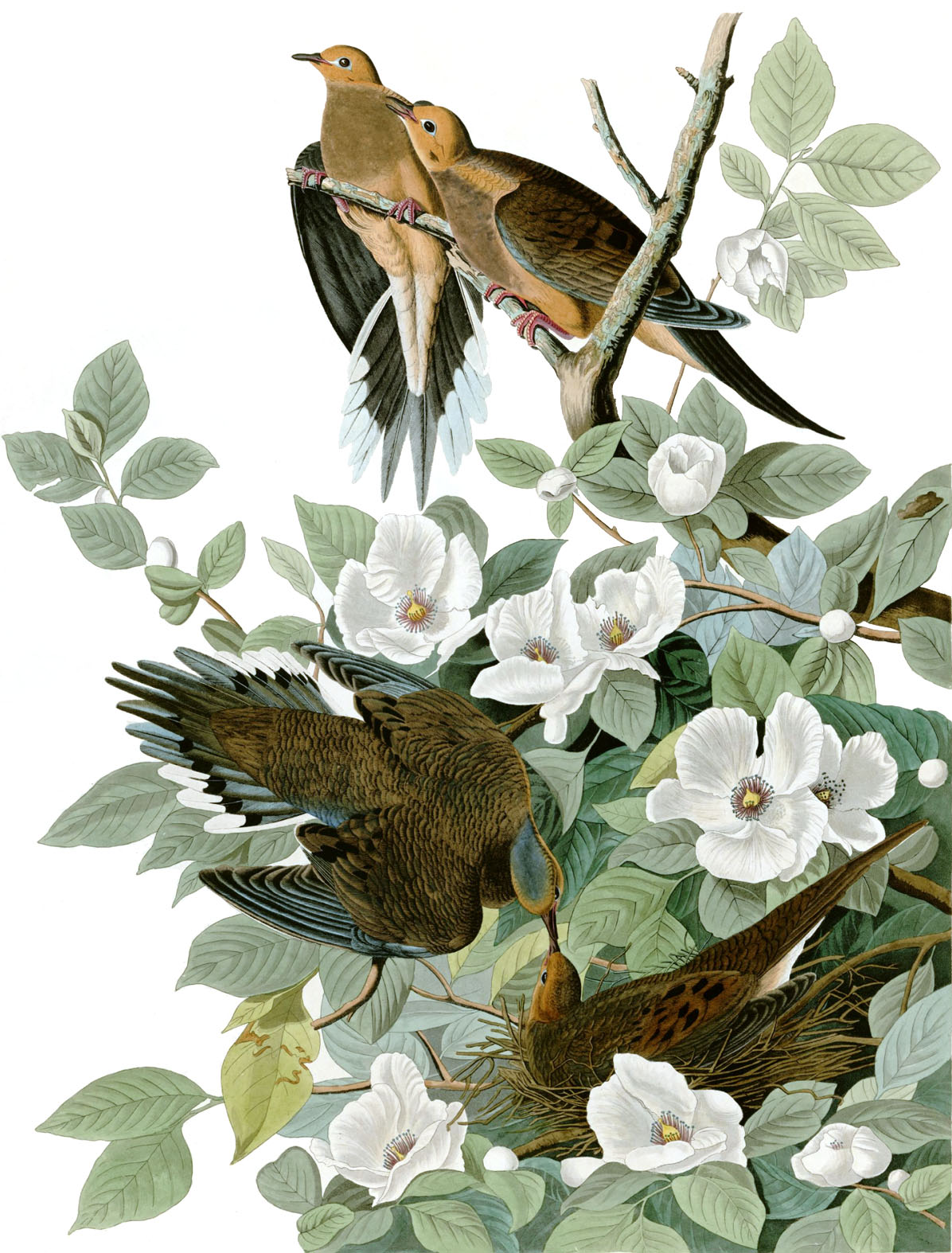
‘The Birds of America‘ is the title of a book by naturalist and painter John James Audubon, containing paintings and scientific description of a wide variety of birds of the United States. It was first published as a series of sections between 1827 and 1838 in Edinburgh and London. The work consists of hand-colored, life-size prints made from engraved plates measuring around 39 by 26 inches. In December of 2010 a copy sold at auction for £7.3 million. The original edition is often regarded as the greatest picture book ever produced. 161 subscribers paid $1,000 each for what ended up to be four volumes.
There are only 11 copies held in private collections out of 119 thought to still exist and it is estimated that out of the top ten most expensive books, five of them would be copies of ‘Birds of America.’ In 2007 the book was the subject of an exhibition by the Teylers Museum (the oldest museum in the Netherlands), which owns a copy it ordered from the original subscription, along with the table sold to house and display it. The book’s subsections fit into special drawers around a fly-leaf table; the table formed the centerpiece for gatherings of the Teyler’s gentleman’s society of science. A low-resolution version of ‘Birds of America’ can be viewed on the Audubon website.
Posted in Art, Money, Science |
Leave a Comment »
December 9, 2010
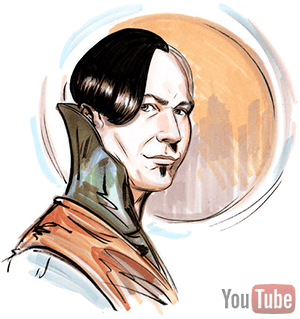
The parable of the broken window was introduced by French economist and political theorist Frédéric Bastiat in his 1850 essay Ce qu’on voit et ce qu’on ne voit pas (That Which Is Seen and That Which Is Unseen) to illustrate the hidden costs associated with destroying property of others. The parable, also known as the broken window fallacy, demonstrates how the law of unintended consequences affects economic activity people typically see as beneficial.
read more »
Posted in Money, Politics, War |
Leave a Comment »
December 7, 2010
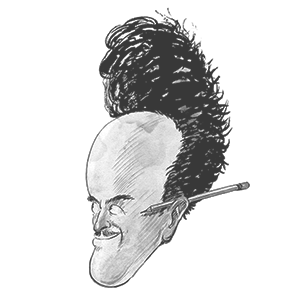
Ub Iwerks (1901 – 1971) was an American animator and special effects technician who created several of Walt Disney’s early characters including Mickey Mouse. Iwerks was considered by many to be Disney’s oldest friend, and he spent most of his career working for Disney in some capacity. The two met in 1918 while working for the Kansas City Art Studio, and would eventually start their own commercial art business together.
He was responsible for the distinctive style of the earliest Disney animated cartoons, and was also responsible for creating several early characters including Mickey Mouse, Clarabelle Cow, and Horace Horsecollar. The first few Mickey Mouse and Silly Symphonies cartoons were animated almost entirely by Iwerks. Disney and he had a falling out over the credit for the characters success. Their friendship and working partnership was severed when Iwerks accepted a contract with Disney competitor Pat Powers to start an animation studio under his own name.
read more »
Posted in Art, Humor, Money |
Leave a Comment »
December 6, 2010

The Birkin bag is a handmade purse by Hermès and named after actress and singer Jane Birkin. Its prices range from $9,000 to $150,000. Costs escalate according to the type of materials. The bags are distributed to Hermès boutiques on unpredictable schedules and in limited quantities, creating artificial scarcity. Although the Birkin bag is free of logos, it is one of the most recognized bags in the fashion industry and by the public. In 1981, Hermès chief executive Jean-Louis Dumas was seated next to Jane Birkin on a flight from Paris to London. She had just placed her straw bag in the overhead compartment of her seat, but the contents fell to the ground, leaving her to scramble to replace the contents.
Birkin explained to Monsieur Dumas that it had been difficult to find a leather weekend bag she liked. In 1984 he created a black supple leather bag for her based on an 1892 design. The bags are handmade in France by expert artisans. The company’s signature saddle stitching, developed in the 1800s, is a distinctive feature. An average bag is created in 48 hours. Leathers are obtained from different tanners in France, resulting in varying smells and textures. Because of the individual craftsmanship, other details of the bags may not all match.
Posted in Money |
Leave a Comment »
December 6, 2010
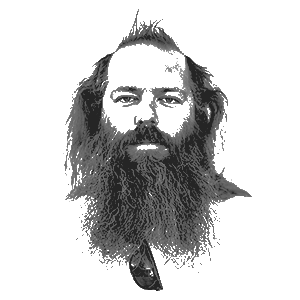
Rick Rubin (b. 1963) is an American record producer and the co-president of Columbia Records. Rubin was the original DJ of the Beastie Boys, and co-founder of Def Jam Records with Russell Simmons. He helped popularize a fusion of hip hop and heavy metal music, and he has worked extensively with hard rock groups, notably Linkin Park, Red Hot Chili Peppers, Metallica, Slipknot, System of a Down, and Rage Against the Machine, but has produced for artists of all different genres including Shakira, Run-D.M.C., The Dixie Chicks, U2, and Green Day.
Rubin’s biggest trademark as a producer has been a ‘stripped-down’ sound, which involves eliminating production elements such as string sections, backup vocals, and reverb, and instead having naked vocals and bare instrumentation.
read more »
Posted in Art, Money |
Leave a Comment »
December 3, 2010
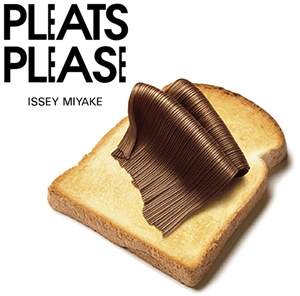
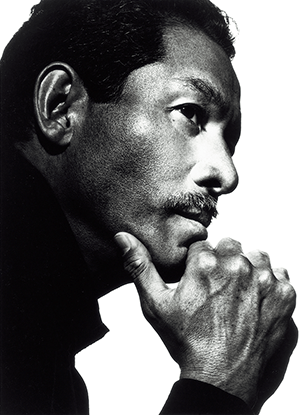
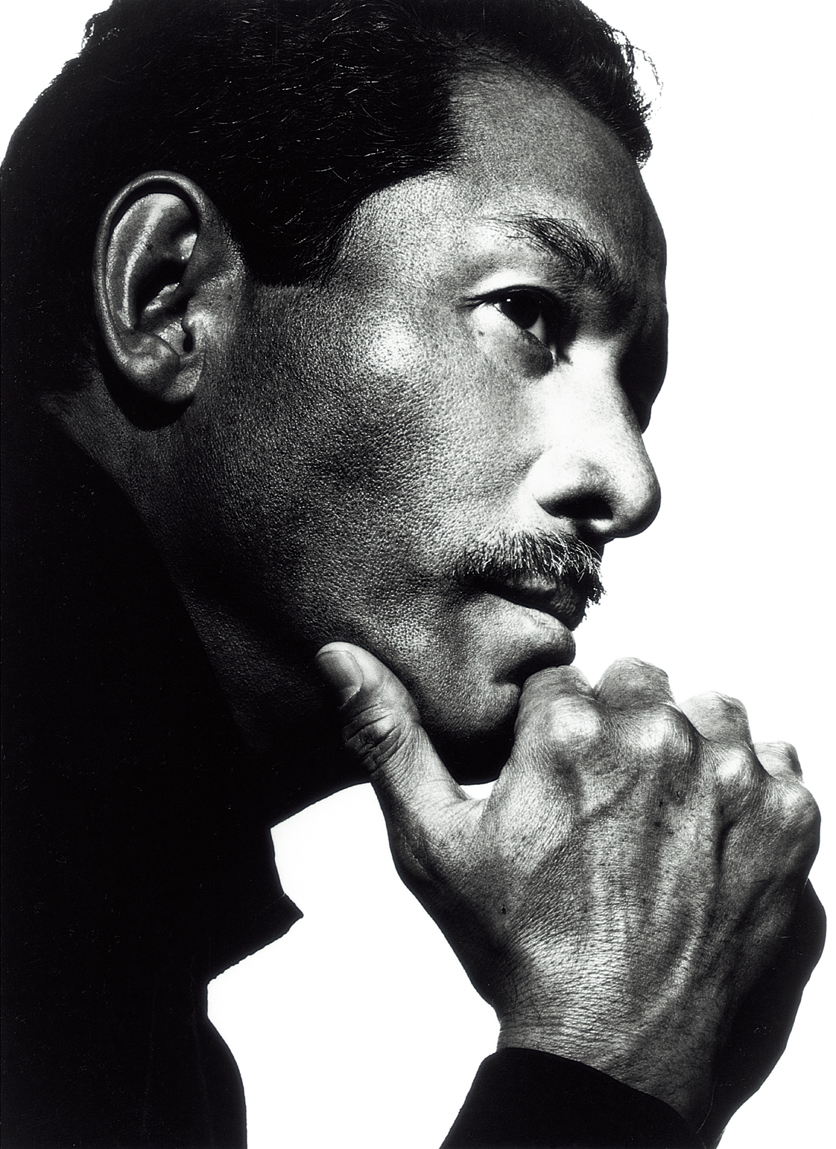
Issey Miyake (b. 1938) is a Japanese fashion designer. He is known for his technology-driven clothing designs, exhibitions and fragrances. Miyake was born in Hiroshima; as a seven year-old, he witnessed and survived the nuclear bomb. He studied graphic design at the Tama Art University in Tokyo, graduating in 1964. After graduation, he worked in Paris and New York City. Returning to Tokyo in 1970, he found the Miyake Design Studio. In the late ’80s, he began to experiment with new methods of pleating that would allow both flexibility of movement for the wearer as well as ease of care and production.
This eventually resulted in a new technique called ‘garment pleating’ and in 1993’s ‘Pleats Please’ in which the garments are cut and sewn first, then sandwiched between layers of paper and fed into a heat press, where they are pleated. The fabric’s ‘memory’ holds the pleats and when the garments are liberated from their paper cocoon, they are ready-to wear. He had a long friendship with Austrian-born pottery artist Dame Lucie Rie. She bequeathed to him her substantial collection of ceramic and porcelain buttons, which he integrated into his designs and presented them in new collections.
Posted in Art, Money, Technology |
Leave a Comment »
December 3, 2010
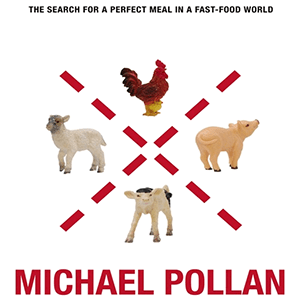
The Omnivore’s Dilemma: A Natural History of Four Meals is a nonfiction book by Michael Pollan published in 2006.
As omnivores – the most unselective eaters – humans are faced with a wide variety of food choices, resulting in a dilemma. Pollan investigates industrial food, organic food, and foraged food.
read more »
Posted in Food, Money, Politics |
Leave a Comment »
December 3, 2010

The Masters of Beef Advocacy (MBA) is an industry-funded program that trains college students to promote agribusiness. Since its launch in March 2009, the MBA has trained nearly 3,000 students and farmers to spread the ‘positive beef message.’ Daren Williams, the communications director for the National Cattlemen’s Beef Association, helped start the MBA with $240,000 from the Beef Checkoff program.
The MBA program is a self-directed online training program designed to equip beef producers and industry allies with the information they need to be everyday advocates for the beef industry. MBA candidates will be required to complete six courses in beef advocacy, including: Modern Beef Production, Animal Care, Beef Safety, Beef Nutrition, and Environmental Stewardship.
Posted in Food, Money, Politics |
Leave a Comment »
December 3, 2010

Checkoff organizations collect funds, sometimes called checkoff dollars, from producers of a particular agricultural commodity and uses these funds to promote and do research on the commodity. The organizations must promote their commodity in a generic way, without reference to a particular producer. These organizations are responsible for familiar American advertising campaigns, including ‘Milk Does a Body Good,’ ‘Got Milk?’, ‘Pork. The Other White Meat,’ ‘The Incredible, Edible Egg,’ and ‘Beef: It’s What’s for Dinner.’
read more »
Posted in Food, Money, Politics |
Leave a Comment »
December 1, 2010
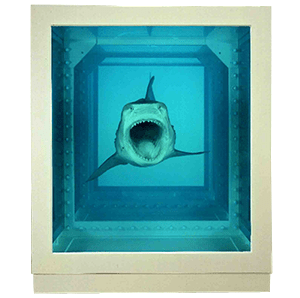

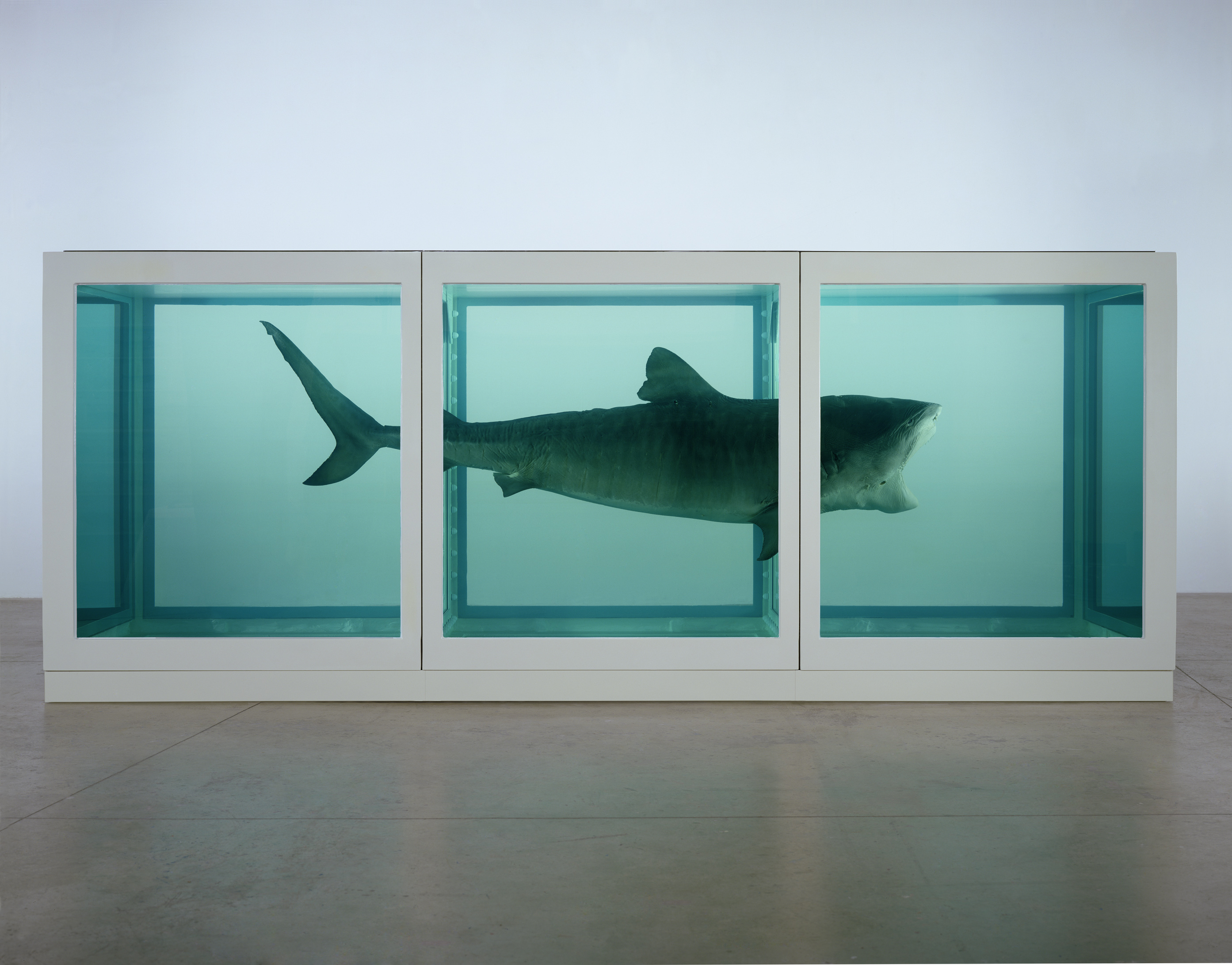
The Physical Impossibility of Death in the Mind of Someone Living is an artwork created in 1992 by Damien Hirst, an English artist and a leading member of the ‘Young British Artists’ (YBA). It consists of a tiger shark preserved in formaldehyde in a vitrine. It was originally commissioned in 1991 by Charles Saatchi, who sold it in 2004, to Steven A. Cohen for an undisclosed amount, widely reported to have been $8 – 12 million dollars.
Due to deterioration of the original 14-foot tiger shark, it was replaced with a new specimen in 2006. It is on display at the Metropolitan Museum of Art in New York City until 2010.
Posted in Art, Money |
Leave a Comment »
December 1, 2010

Asteroid mining refers to exploiting raw materials from asteroids and planetoids in space, especially near-Earth objects. Minerals and volatiles could be mined from an asteroid or spent comet to provide space construction material (e.g., iron, nickel, titanium), to extract water and oxygen to sustain the lives of prospector-astronauts on site, as well as hydrogen and oxygen for use as rocket fuel. In space exploration, these activities are referred to as in-situ resource utilization.
A relatively small metallic asteroid with a diameter of 1 mile contains more than $20 trillion US dollars worth of industrial and precious metals. The gold, cobalt, iron, manganese, nickel, palladium, platinum, and other metals that we now mine from the Earth’s crust, and that are essential for economic and technological progress, came originally from the rain of asteroids that struck the primordial Earth. Earth’s massive gravity pulled all such siderophilic (iron loving) elements into the planet’s core during its molten youth more than four billion years ago. Initially, this left the crust utterly depleted of such valuable elements. Asteroid impacts re-infused the depleted crust with metals.
Posted in Money, Science, Technology |
Leave a Comment »