May 3, 2011
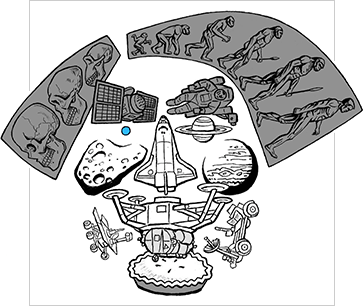
Carl Sagan (1934 – 1996) was an American astronomer. He devoted his life to popularizing science. He speculated about what life from other planets would be like, and promoted the search for extraterrestrial life. He is world famous for his popular science books and the television series Cosmos, which he co-wrote and presented.
He was born in Brooklyn New York where his father, Sam Sagan, was a Jewish clothes maker and his mother, Rachel Molly Gruber, was a housewife. Sagan attended the University of Chicago earning two degrees in physics. He followed with a doctorate in Astronomy in 1960 and taught at Harvard University until 1968, when he moved to Cornell University.
read more »
Posted in Language, Philosophy, Science |
Leave a Comment »
May 3, 2011

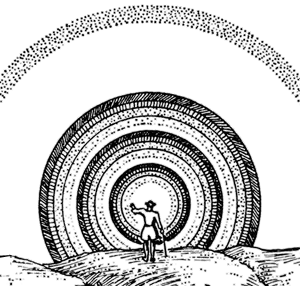
A Brocken specter is the apparently enormous and magnified shadow of an observer, cast upon the upper surfaces of clouds opposite the sun. The phenomenon can appear on any misty mountainside or cloud bank, or even from an airplane, but the frequent fogs and low-altitude accessibility of the Brocken, a peak in the Harz Mountains in Germany, have created a local legend from which the phenomenon draws its name. The Brocken specter was observed and described by Johann Silberschlag in 1780, and has since been recorded often in literature about the region. The ‘specter’ appears when the sun shines from behind a climber who is looking down from a ridge or peak into mist or fog. The light projects the climber’s shadow forward through the mist, often in an odd triangular shape due to perspective.
The apparent magnification of size of the shadow is an optical illusion that occurs when the observer judges his shadow on relatively nearby clouds to be at the same distance as faraway land objects seen through gaps in the clouds, or when there are no reference points at all by which to judge its size. The shadow also falls on water droplets of varying distances from the eye, confusing depth perception. The ghost can appear to move (sometimes quite suddenly) because of the movement of the cloud layer and variations in density within the cloud. The head of the figure is often surrounded by the glowing halo-like rings of a glory, rings of coloured light that appear directly opposite the sun when sunlight is reflected by a cloud of uniformly-sized water droplets. The effect is caused by the diffraction of visible light.
Posted in Science |
Leave a Comment »
April 29, 2011

Autosomal Dominant Compelling Helioophthalmic Outburst (ACHOO) Syndrome is a genetic dominant disorder that results in uncontrollable sneezing in response to numerous stimuli, such as looking at bright lights, cold air, or strong flavors. The condition affects 18-35% of the population, and its exact mechanism of action is not well understood.
Photic sneeze reflex is an dominant hereditary trait which causes sneezing, possibly many times consecutively when suddenly exposed to bright light. The first mention of the phenomenon is probably in the later work attributed to Aristotle (c. 200 BCE).
read more »
Posted in Health, Science |
Leave a Comment »
April 28, 2011

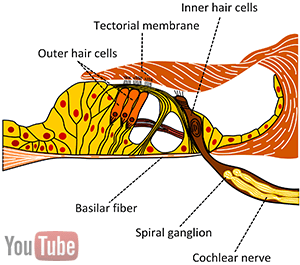
Hair cells are the sensory receptors of both the auditory system and the vestibular system (sense of balance) in all vertebrates. In mammals, the auditory hair cells are located in the cochlea, a spiral-shaped cavity in the skull. Unlike birds and reptiles, humans and other mammals are normally unable to regrow the cells of the inner ear that convert sound into neural signals when those cells are damaged by age or disease. Mammalian cochlear hair cells come in two anatomically and functionally distinct types: the outer and inner hair cells. Damage to these hair cells results in decreased hearing sensitivity.
The outer cells do not send neural signals to the brain, they mechanically amplify low-level sound that enters the cochlea. The inner hair cells transform the sound vibrations in the fluids of the cochlea into electrical signals that are then relayed to the brain. Nerve fiber innervation is much denser for inner hair cells than for outer hair cells. A single inner hair cell is innervated by numerous nerve fibers, whereas a single nerve fiber innervates many outer hair cells. Inner hair cell nerve fibers are also very heavily myelinated, which is in contrast to the unmyelinated outer hair cell nerve fibers.
Posted in Science |
Leave a Comment »
April 28, 2011
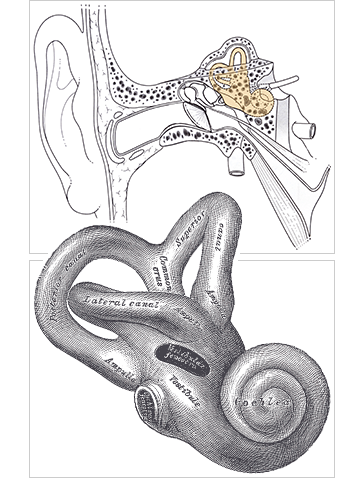
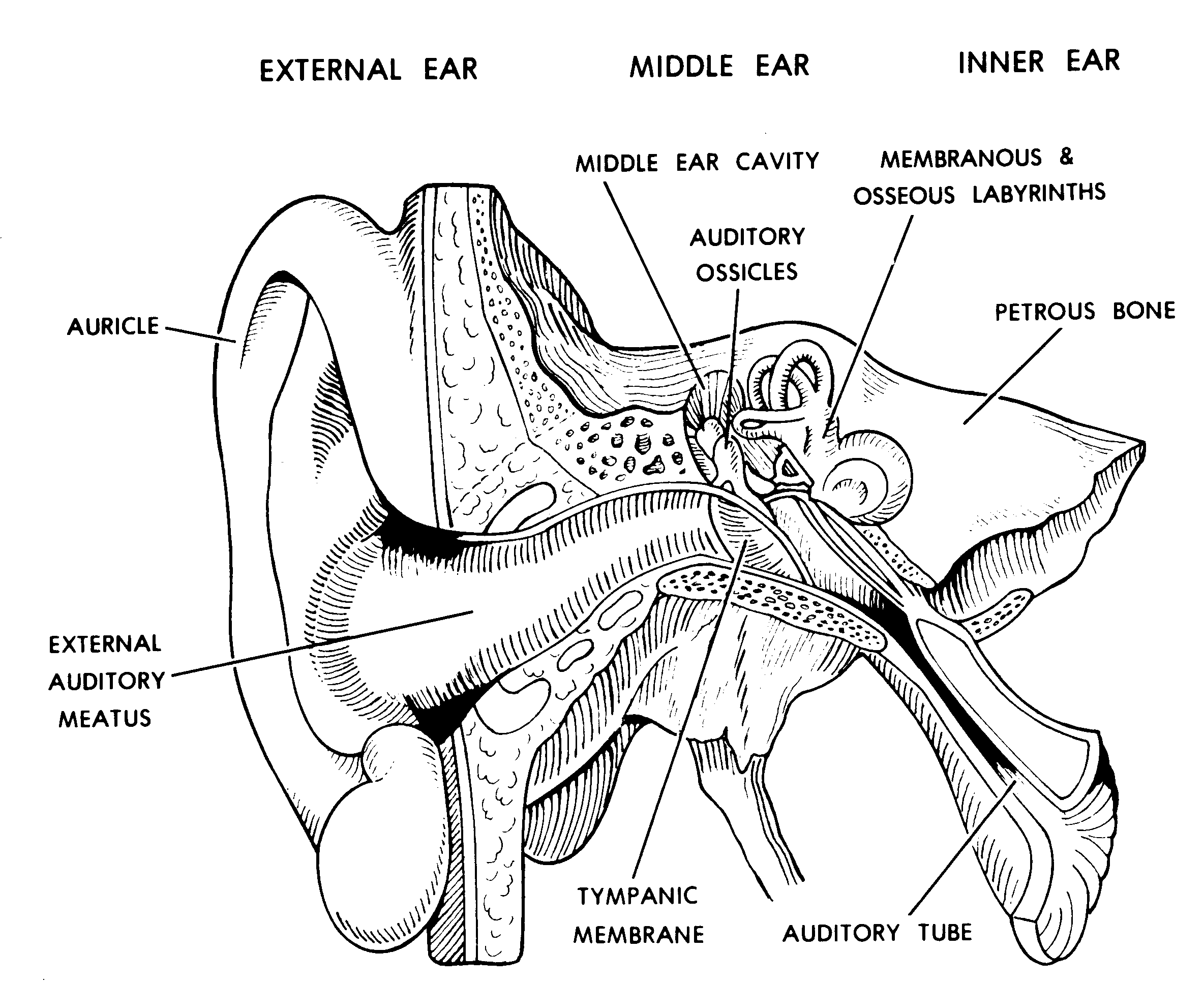
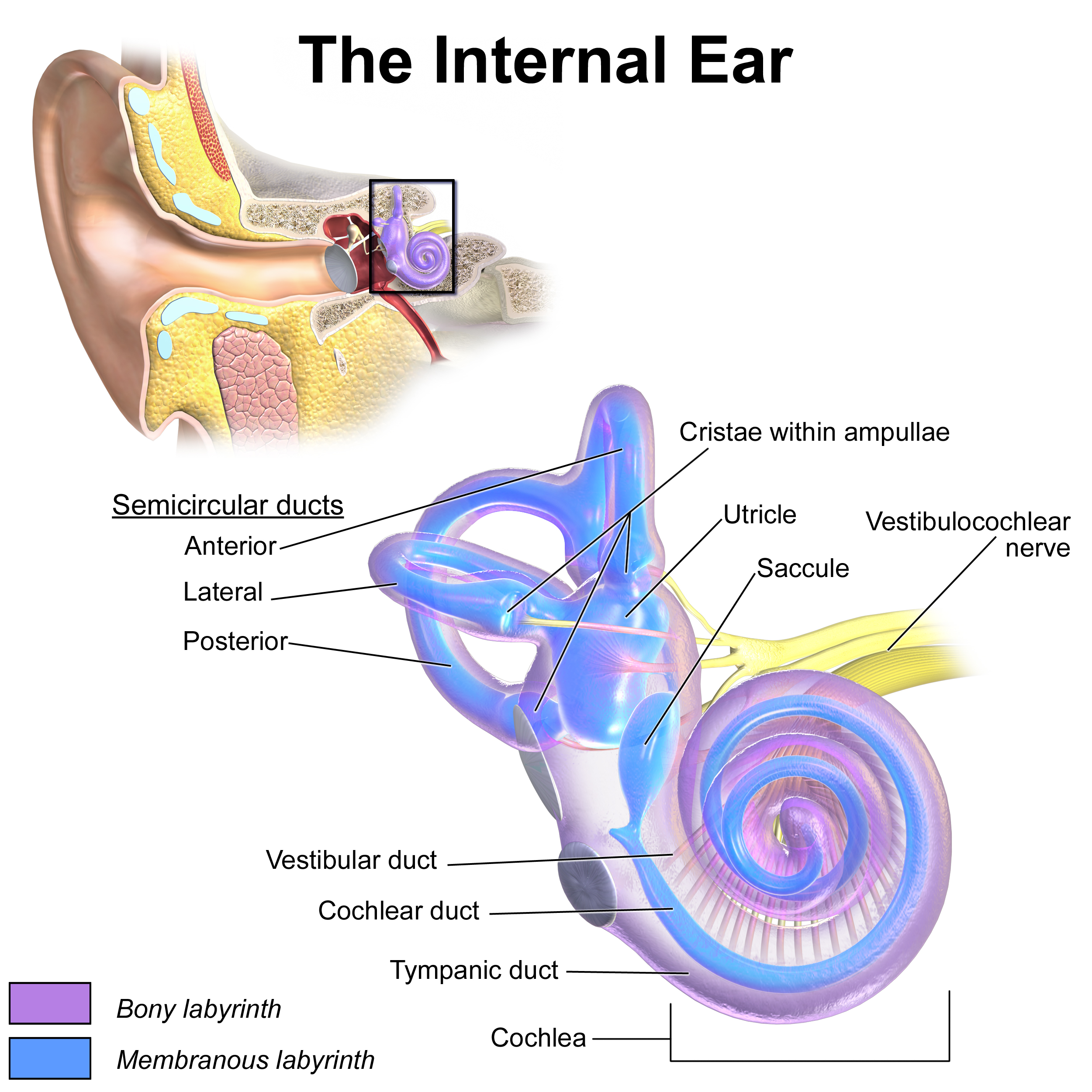
The receptors for the senses of equilibrium (vestibule) and hearing (cochlea) are housed within a collection of fluid filled tubes and chambers known as the membranous labyrinth, which is located within the bony labyrinth, a cavity in an an animal’s skull bones.
Posted in Health, Language, Science |
Leave a Comment »
April 28, 2011

Hoover was a harbor seal who was able to imitate basic human speech. He was found as an orphan by George and Alice Swallow in Maine in 1971. At first the baby seal didn’t want to eat, but soon he ate at the pace of a vacuum cleaner (hence his name).
When Hoover outgrew the bathtub, he was transferred to the pond outside their house where he began to imitate people’s voices. Again he was moved, this time to the New England Aquarium, where he told visitors to ‘Get outta here!’ in a thick New England accent.
Posted in Humor, Language, Science |
Leave a Comment »
April 26, 2011
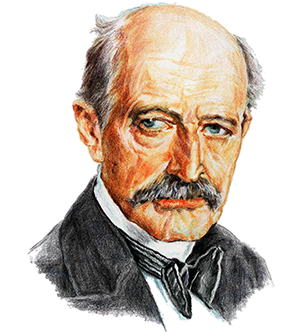
Absolute hot is the hottest temperature that anything can reach. It is theorized at around 1032 kelvins. This temperature is also known as the Planck temperature, in honor of German physicist Max Planck who first proposed it. It is the opposite of ‘Absolute Zero’ which is −273.15°C on the Celsius scale or 0°K on the Kelvin scale. Absolute hot is a concept of temperature that postulates the existence of a highest attainable temperature of matter.
The Planck temperature is assumed to be the highest temperature in conventional physics because conventional physics breaks down at that temperature. Above 1032K, particle energies become so large that the gravitational forces between them become as strong as any other force (like electromagnetism). Some forms of string theory, however, allow a temperature of 1030K, known as Hagedorn temperature.
Posted in Language, Science |
Leave a Comment »
April 25, 2011

Island gigantism is a biological phenomenon in which the size of animals isolated on an island increases dramatically in comparison to their mainland relatives. Large mammalian carnivores are often absent on islands, due to their large range requirements and/or difficulties in over-water dispersal.
In their absence, the ecological niches for large predators may be occupied by birds or reptiles, which can then grow to larger-than-normal size. Since small size usually makes it easier for herbivores to escape or hide from predators, the decreased predation pressure on islands can allow them to grow larger.
Posted in Science |
Leave a Comment »
April 25, 2011
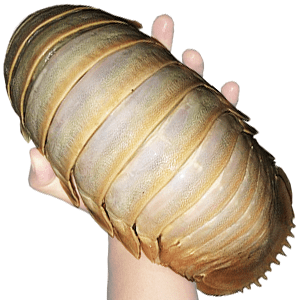
In zoology, deep-sea gigantism, also known as abyssal gigantism, is the tendency for species of crustaceans, invertebrates and other deep-sea-dwelling animals to display a larger size than their shallow-water counterparts. Examples of this phenomenon include the giant isopod, the Japanese spider crab, the king of herrings (an oarfish of up to 12 m), the Seven-arm Octopus, and a number of squid species, including the Colossal Squid (up to 14 m in length).
It is not known whether this effect comes about as a result of adaptation for scarcer food resources (therefore delaying sexual maturity and resulting in greater size), greater pressure, or for other reasons. The Blue Planet series posited that larger specimens do well in the abyssal environment due to the advantages in body temperature regulation and a diminished need for constant activity, both inherent in organisms with a lower surface area to mass ratio.
Posted in Science |
Leave a Comment »
April 25, 2011
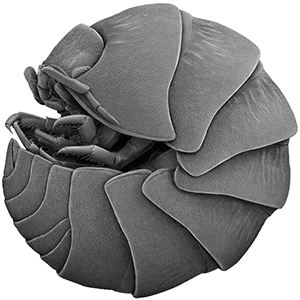
Often mistaken for insects, armadillidiidae is a family of woodlice, a terrestrial crustacean group in the order Isopoda. Unlike members of other woodlouse families, members of this family can roll into a ball, an ability they share with the outwardly similar but unrelated pill millipedes and other animals.
It is this ability which gives woodlice in this family their common name of pill bugs or roly polies. Because of their unusual yet non-threatening appearance, certain types of armadillidiids are kept as pets in areas such as the American South, typically among children. Owners of pet tarantulas sometimes keep pill bugs as cage cleaners in the same habitat. The pill bugs eat feces, mold, and leftovers.
Posted in Language, Science |
Leave a Comment »
April 24, 2011
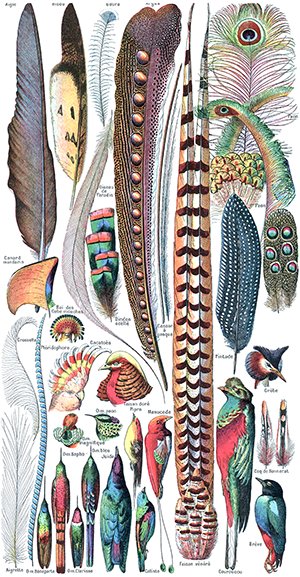
Adolphe Millot [me-low] (1857 – 1921) was a French naturalist illustrator. He worked for the Grand Larousse encyclopédique (a French encyclopedic dictionary).
Posted in Art, Language, Science |
3 Comments »
April 23, 2011
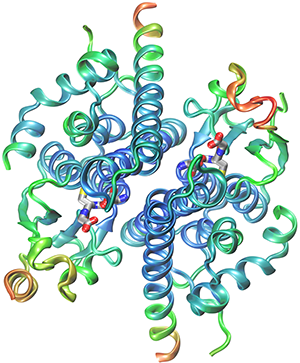
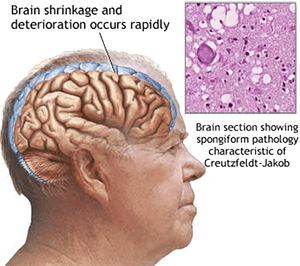
Prions [prahy-on] are infectious, misfolded proteins (large molecules built from small units known as amino acids). They are known to cause many forms of encephalitis, or brain disease, such as scrapie, Creutzfeldt-Jakob Disease, kuru, and Bovine Spongiform Encephalopathy, also known as Mad Cow Disease.
Prions work by changing the shape of proteins in the living things it causes disease in. While normal proteins have lots of alpha helices, or twisted parts, changed proteins have lots of beta sheets, or flat parts. The word ‘prion,’ coined in 1982 by American neurologist, Stanley B. Prusiner, is a portmanteau derived from the words ‘protein’ and ‘infection.’
read more »
Posted in Health, Science |
Leave a Comment »







 The Daily Omnivore