December 7, 2010

Pruno, or prison wine, is an alcoholic liquid variously made from apples, oranges, fruit cocktail, ketchup, sugar, and possibly other ingredients, including bread. Pruno originated in (and remains largely confined to) prisons, where it can be produced cheaply, easily, and discreetly. The concoction can be made using only a plastic bag, hot running water, and a towel or sock to conceal the pulp during fermentation. The end result has been colorfully described as a ‘vomit-flavored wine-cooler.’ Depending on the time spent fermenting, the sugar content, and the quality of the ingredients and preparation, pruno’s alcohol content by volume can range from 2 – 14%.
Typically, the fermenting mass of fruit — called the motor in prison parlance (from ‘promoter’) – is retained from batch to batch to make the fermentation start faster. Increasing sugar results in more alcohol until the waste products of fermentation kill the motor. This also causes the taste of the end product to suffer. Ascorbic acid or Vitamin C powder is sometimes used to stop the fermentation, which, combined with the tartness of the added acid, counteracts the cloyingly sweet flavor. In an effort to eradicate pruno, some wardens have gone as far as banning all fresh fruit from prison cafeterias. In such cases, inmates often resort to using sauerkraut and orange juice.
Posted in Drugs, Food, Language |
2 Comments »
December 7, 2010

Dan Deacon (b. 1981) is an American electronic musician. Dan was born and raised in suburban Long Island, New York. After high school he attended the Conservatory of Music at State University of New York where, in addition to performing his solo material, he played in many bands, including tuba for Langhorne Slim and guitar in the improvisational grindcore band Rated R. He completed his graduate studies in electro-acoustic and computer music composition.
In 2004 he moved to Baltimore, Maryland and moved into the Copycat Building and, along with friends from SUNY Purchase, formed Wham City, an arts and music collective.
read more »
Posted in Art, Technology |
Leave a Comment »
December 7, 2010

Green Boots is the name given to the corpse of Indian climber Tsewang Paljor (1968 – 1996) on the North face route of Mount Everest. There is little doubt that the body is that of Paljor, who was wearing green Koflach boots on the day he and two others apparently summited. On the way down, he fell victim to exposure in the storm of 10 May 1996 that killed seven others. Since the cave his corpse lies in is on the popular northern route, his body is encountered frequently and came to be known as ‘Green Boots.’
An area along the northeast route to the summit has earned the unassuming nickname of ‘Rainbow Valley,’ simply because of the multicolored down jackets of the numerous corpses littering the hillside. In the harsh conditions of lethal altitudes, corpses can remain for decades, some appearing frozen in time with climbing gear intact. Despite the snow and ice, Everest is as dry as a desert and the sun and wind quickly mummify human remains. In the 56 years since the first men in history reached the top, 216 people have died and 150 bodies have never been, and likely can never be, recovered. They are all still there, and located, almost without exception, in the Death Zone, where oxygen is only one third of the sea level value.
Posted in Death, Games |
Leave a Comment »
December 7, 2010

Ub Iwerks (1901 – 1971) was an American animator and special effects technician who created several of Walt Disney’s early characters including Mickey Mouse. Iwerks was considered by many to be Disney’s oldest friend, and he spent most of his career working for Disney in some capacity. The two met in 1918 while working for the Kansas City Art Studio, and would eventually start their own commercial art business together.
He was responsible for the distinctive style of the earliest Disney animated cartoons, and was also responsible for creating several early characters including Mickey Mouse, Clarabelle Cow, and Horace Horsecollar. The first few Mickey Mouse and Silly Symphonies cartoons were animated almost entirely by Iwerks. Disney and he had a falling out over the credit for the characters success. Their friendship and working partnership was severed when Iwerks accepted a contract with Disney competitor Pat Powers to start an animation studio under his own name.
read more »
Posted in Art, Humor, Money |
Leave a Comment »
December 6, 2010

The Birkin bag is a handmade purse by Hermès and named after actress and singer Jane Birkin. Its prices range from $9,000 to $150,000. Costs escalate according to the type of materials. The bags are distributed to Hermès boutiques on unpredictable schedules and in limited quantities, creating artificial scarcity. Although the Birkin bag is free of logos, it is one of the most recognized bags in the fashion industry and by the public. In 1981, Hermès chief executive Jean-Louis Dumas was seated next to Jane Birkin on a flight from Paris to London. She had just placed her straw bag in the overhead compartment of her seat, but the contents fell to the ground, leaving her to scramble to replace the contents.
Birkin explained to Monsieur Dumas that it had been difficult to find a leather weekend bag she liked. In 1984 he created a black supple leather bag for her based on an 1892 design. The bags are handmade in France by expert artisans. The company’s signature saddle stitching, developed in the 1800s, is a distinctive feature. An average bag is created in 48 hours. Leathers are obtained from different tanners in France, resulting in varying smells and textures. Because of the individual craftsmanship, other details of the bags may not all match.
Posted in Money |
Leave a Comment »
December 6, 2010

Skiffle is a type of popular music with jazz, blues, folk, roots and country influences, usually using homemade or improvised instruments. Originating as a term in the United States in the first half of the twentieth century, it became popular again in the UK in the 1950s, where it was mainly associated with musician Lonnie Donegan and played a major part in beginning the careers of later eminent jazz, pop, blues, folk and rock musicians.
Improvised jug bands playing blues and jazz were common across the American South in the early decades of the twentieth century. They used instruments such as the washboard, jugs, tea chest bass, cigar-box fiddle, musical saw, and comb-and-paper kazoos, as well as more conventional instruments such as acoustic guitar and banjo.The term skiffle was originally one of many slang phrases for a rent party, a social event with a small charge designed to pay rent on a house.
Posted in Art, Language |
Leave a Comment »
December 6, 2010

Rick Rubin (b. 1963) is an American record producer and the co-president of Columbia Records. Rubin was the original DJ of the Beastie Boys, and co-founder of Def Jam Records with Russell Simmons. He helped popularize a fusion of hip hop and heavy metal music, and he has worked extensively with hard rock groups, notably Linkin Park, Red Hot Chili Peppers, Metallica, Slipknot, System of a Down, and Rage Against the Machine, but has produced for artists of all different genres including Shakira, Run-D.M.C., The Dixie Chicks, U2, and Green Day.
Rubin’s biggest trademark as a producer has been a ‘stripped-down’ sound, which involves eliminating production elements such as string sections, backup vocals, and reverb, and instead having naked vocals and bare instrumentation.
read more »
Posted in Art, Money |
Leave a Comment »
December 6, 2010

The Colossus of Rhodes was a statue of the Greek god Helios, erected in the city of Rhodes on the Greek island of Rhodes by Greek sculptor Chares of Lindos between 292 and 280 BC. It is considered one of the Seven Wonders of the Ancient World. It was constructed to celebrate Rhodes’ victory over the ruler of Cyprus, Antigonus I Monophthalmus, who unsuccessfully besieged Rhodes in 305 BC. Before its destruction, it stood over 30 meters (107 ft) high, making it one of the tallest statues of the ancient world.
read more »
Posted in Art, War |
Leave a Comment »
December 6, 2010

Brown adipose tissue (BAT) or brown fat is one of two types of fat or adipose tissue (the other being white adipose tissue) found in mammals. It is especially abundant in newborns and in hibernating mammals. Its primary function is to generate body heat without requiring the body to shiver. In contrast to white adipocytes (fat cells), which contain a single lipid droplet, brown adipocytes contain numerous smaller droplets and a much higher number of mitochondria, which contain iron and make it brown. Brown fat also contains more capillaries than white fat, since it has a greater need for oxygen than most tissues.
Typically, mammals generate heat by shivering. Low temperatures signal muscle groups around vital organs begin to shake in small movements in an attempt to create warmth by expending energy. It produces heat because the conversion of the chemical energy (food) into kinetic energy (motion) is not 100% efficient, causing some of the energy to show up as heat. Brown fat cells use their mitochondria to convert chemical energy directly into heat by altering the movement of protons that pass through them. It was discovered recently that some adults retain a portion of their juvenile brown fat deposits.
Posted in Health, Science |
Leave a Comment »
December 4, 2010

The Scramble for Africa, also known as the Race for Africa or African fever, was a process of invasion, attack, occupation, and annexation of African territory by European powers during the New Imperialism period, between 1881 and World War I in 1914. As a result of the heightened tension between European states in the last quarter of the 19th century, the partitioning of Africa may be seen as a way for the Europeans to eliminate the threat of a Europe-wide war over Africa.
Popular European ideas in the 19th century also aided the partitioning of Africa. The eugenics movement and racism helped to foster European expansionist policy. The last 20 years of the nineteenth century saw transition from ‘informal imperialism’ of control through military influence and economic dominance to that of direct rule. Many African polities, states and rulers (such as the Ashanti, the Abyssinians, the Moroccans and the Dervishes) sought to resist this wave of European aggression.
Posted in Politics, War, World |
Leave a Comment »
December 4, 2010

‘Guns, Germs, and Steel: The Fates of Human Societies’ is a 1997 book by Jared Diamond, professor of geography and physiology at UCLA. The book’s title is a reference to the means by which European nations conquered populations of other areas and maintained their dominance, despite often being vastly outnumbered – superior weapons provided immediate military superiority (guns); Eurasian diseases weakened and reduced local populations, making it easier to maintain control over them (germs) and centralized government promoted nationalism and powerful military organizations (steel).
The book attempts to explain why Eurasian civilizations (including North Africa) have survived and conquered others, while attempting to refute the belief that Eurasian hegemony is due to genetic superiority. Diamond argues that the gaps in power and technology between human societies originate in environmental differences, which are amplified by various positive feedback loops. When cultural or genetic differences have favored Eurasians (for example Chinese centralized government, or improved disease resistance among Eurasians), these advantages were only created due to the influence of geography and were not inherent in the Eurasian genomes.
Posted in Science, War, World |
Leave a Comment »
December 3, 2010

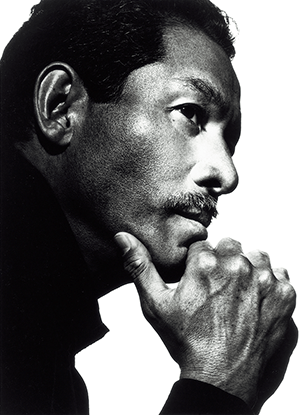
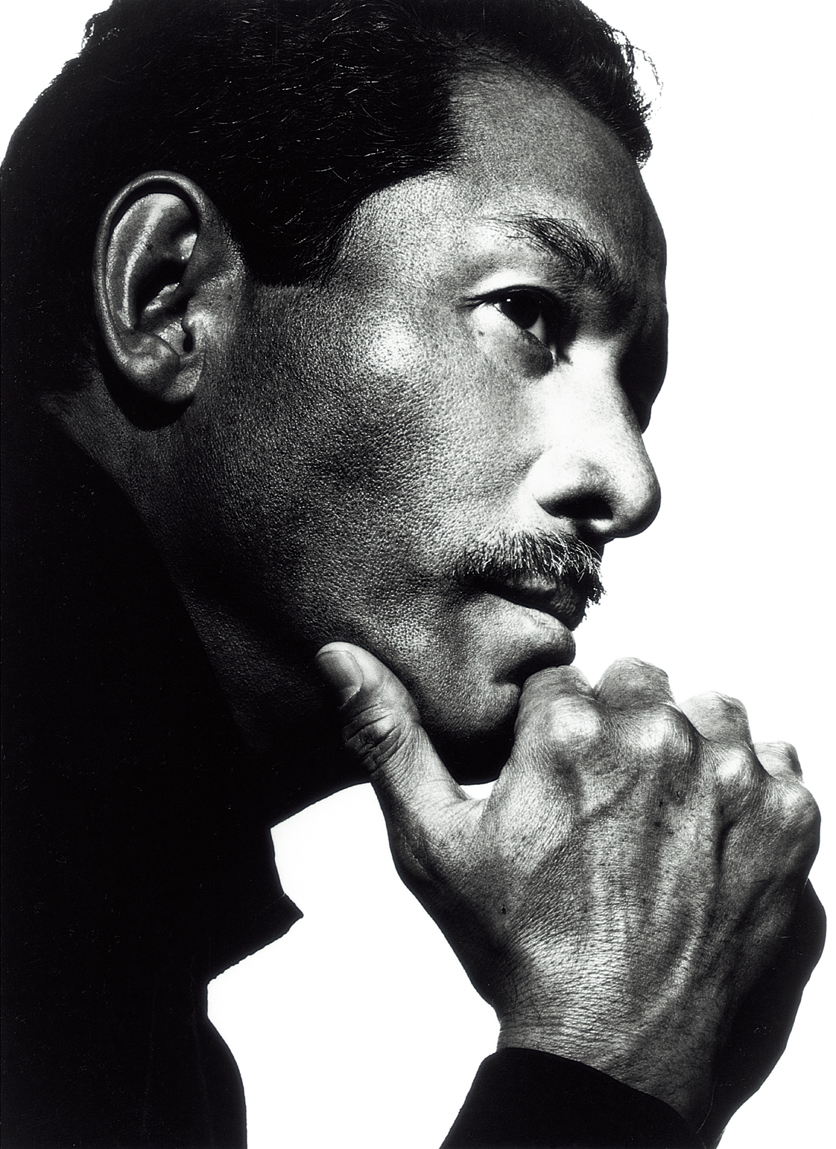
Issey Miyake (b. 1938) is a Japanese fashion designer. He is known for his technology-driven clothing designs, exhibitions and fragrances. Miyake was born in Hiroshima; as a seven year-old, he witnessed and survived the nuclear bomb. He studied graphic design at the Tama Art University in Tokyo, graduating in 1964. After graduation, he worked in Paris and New York City. Returning to Tokyo in 1970, he found the Miyake Design Studio. In the late ’80s, he began to experiment with new methods of pleating that would allow both flexibility of movement for the wearer as well as ease of care and production.
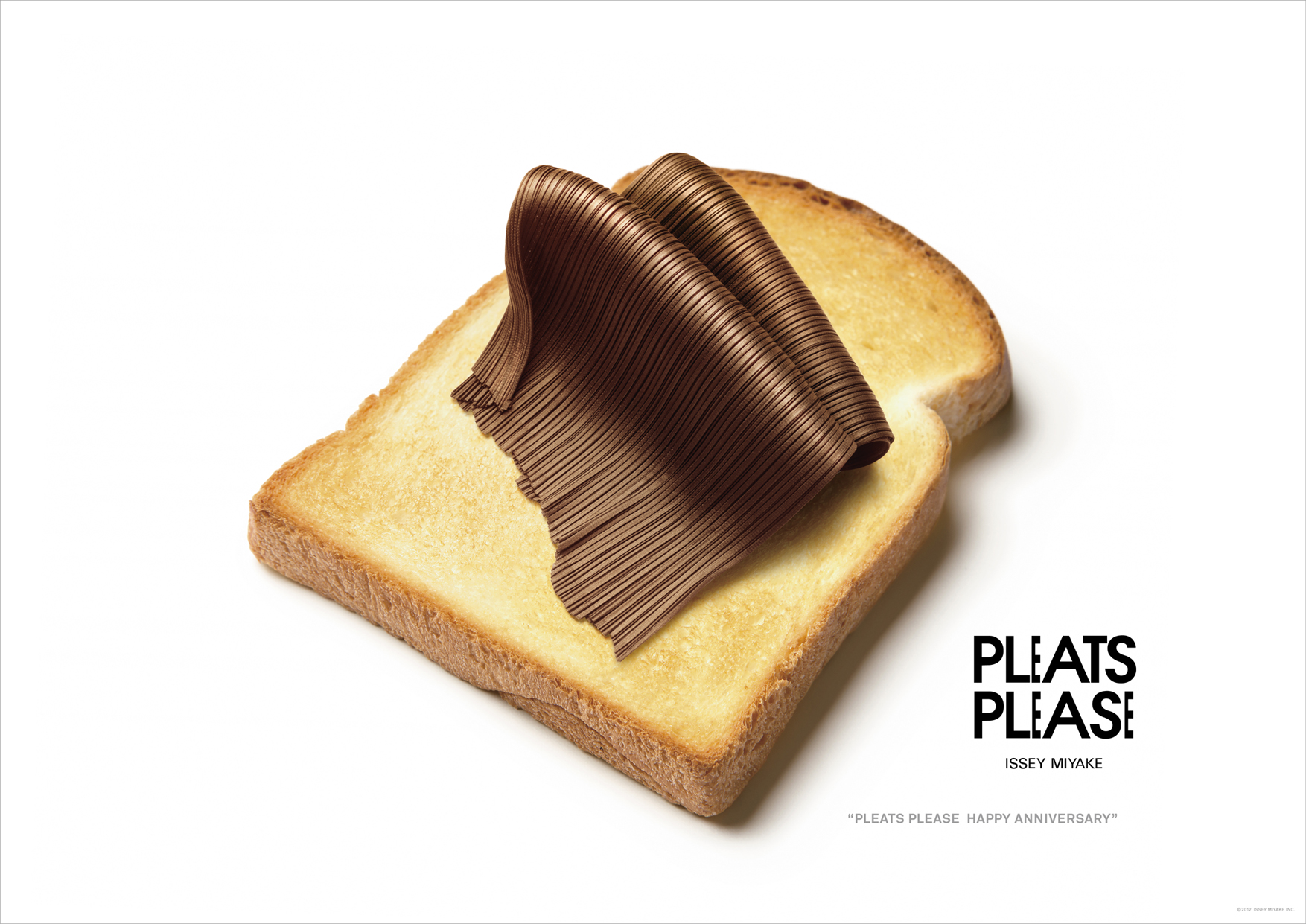
This eventually resulted in a new technique called ‘garment pleating’ and in 1993’s ‘Pleats Please’ in which the garments are cut and sewn first, then sandwiched between layers of paper and fed into a heat press, where they are pleated. The fabric’s ‘memory’ holds the pleats and when the garments are liberated from their paper cocoon, they are ready-to wear. He had a long friendship with Austrian-born pottery artist Dame Lucie Rie. She bequeathed to him her substantial collection of ceramic and porcelain buttons, which he integrated into his designs and presented them in new collections.
Posted in Art, Money, Technology |
Leave a Comment »




 The Daily Omnivore