March 10, 2011

Giorgio Moroder (b. 1940) is an Italian record producer, songwriter, and performer. His work with synthesizers during the 1970s and 1980s had a significant influence on New Wave, house, and electronic music in general. Particularly well known for his work with Donna Summer during the era of disco, Moroder is the founder of the former Musicland Studios in Munich, which was also used by Led Zeppelin, Queen, and Elton John. In addition to his work with Donna Summer, Moroder also produced a number of electronic disco hits and a score of songs for a variety of others including David Bowie, Irene Cara, and, Blondie.
In 1984, Moroder compiled a new restoration and edit of the famous silent film ‘Metropolis’ and provided a contemporary soundtrack to the film with pop hits from Pat Benatar, Adam Ant, Billy Squier, Loverboy, Bonnie Tyler, and Freddie Mercury. He also integrated the old-fashioned intertitles into the film as subtitles to improve continuity, and he played the film at a rate of 24 frames per second. Since the original speed was unknown this choice was controversial. Known as the ‘Moroder version,’ it sparked debate among film buffs, with outspoken critics and supporters of the film falling into equal camps.
Posted in Art, Money |
1 Comment »
March 10, 2011

The story of The Dog in the Manger derives from an old Greek fable: There was a dog lying in a manger who did not eat the grain but who nevertheless prevented the horse from being able to eat anything either. The dog in the manger is a metaphor for those who spitefully prevent others from having something that they themselves have no use for.
Posted in Art, Language, World |
Leave a Comment »
March 10, 2011
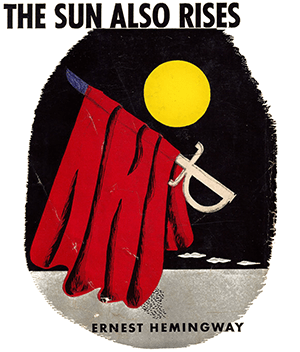
The ‘Lost Generation‘ is a term used to refer to the generation that came of age during World War I. It was popularized by Ernest Hemingway who used it as one of two contrasting epigraphs for his novel, ‘The Sun Also Rises.’ In that volume Hemingway credits the phrase to fellow novelist Gertrude Stein, who was then his mentor and patron.
In ‘A Movable Feast,’ which was published after Hemingway and Stein had had a famous feud and fallen apart, and after they were both dead, Hemingway reveals that the phrase was actually originated by the garage owner who repaired Stein’s car. When a young mechanic failed to repair the car in a way satisfactory to Stein, the owner shouted at him, ‘You are all a generation perdue. That is what you are. That’s what you all are…All of you young people who served in the war. You are a lost generation.’
read more »
Posted in Art, Language, Politics |
Leave a Comment »
March 9, 2011
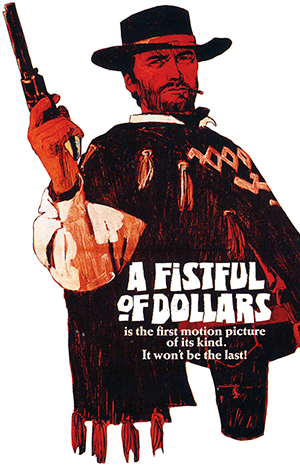

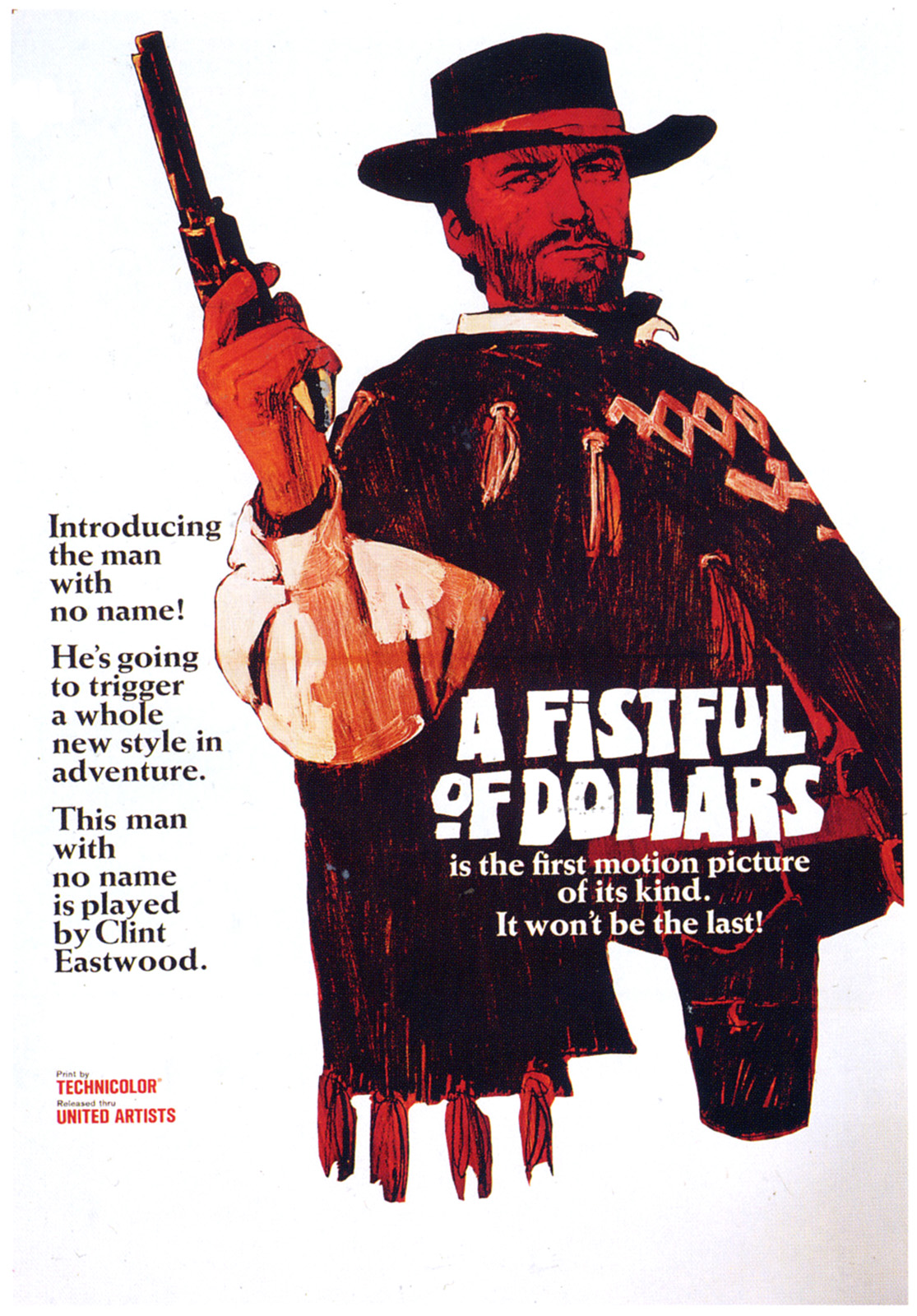
Bob Peak (1927 – 1992) was an American commercial illustrator best known for innovative design in the development of the modern movie poster. United Artists studio hired Peak in 1961 to design the poster images for the film ‘West Side Story.’ The success of Peak’s work on that film led to work on posters for designer Bill Gold.
In the mid-1970’s Peak’s style would become familiar to fans of science fiction films when he created the poster art for the futuristic film ‘Rollerball’ (1975), which was followed by the first six ‘Star Trek’ films, ‘Superman’ (1978), ‘Excalibur’ (1981), ‘In Like Flint,’ and ‘Apocalypse Now’ (1979). By the 1980’s only the movie poster artist Drew Struzan was in as much demand by film directors.
Posted in Art, Money |
1 Comment »
March 9, 2011

Rubber is a 2010 French horror comedy film about a tire that comes to life and kills people with its psychic powers. It was directed and written by Quentin Dupieux (also known as Mr. Oizo). The soundtrack was scored by Justice. The film was screened at the 2010 Cannes film festival where it was not well received.
Posted in Art, Humor |
1 Comment »
March 9, 2011

Javelin is a hip-hop and electro production duo based in Brooklyn, New York City via Providence, RI. Javelin has been known to use colorfully painted boomboxes that hang from the ceiling or stack up on the floor like pyramids. The signal from the show is broadcast via FM transmitter, thereby fostering audience participation (B.Y.O. Boombox) or fueling battery-powered, mobile parties.
Posted in Art, Technology |
Leave a Comment »
March 9, 2011

Moleskine is an Italian brand of notebooks. Moleskine books are typically bound in coated paper cardboard, with an elastic band to hold the notebook closed, a sewn spine that allows it to lie flat when opened, cream color paper, rounded corners, a ribbon bookmark, and an expandable pocket inside the rear cover. Among artists who used similar black notebooks were Oscar Wilde, Vincent van Gogh, Pablo Picasso, Ernest Hemingway and Henri Matisse.
read more »
Posted in Art, Money |
Leave a Comment »
March 9, 2011

Balkan Beat Box is an Israeli musical group founded by ex-Gogol Bordello member Tamir Muskat, Ori Kaplan of Firewater and Big Lazy, and Tomer Yosef. As a musical project they often cooperate with a host of other musicians both in the studio as well as live.
Co-founders Ori Kaplan and Tamir Muskat both met in Brooklyn, New York as teenagers. Both had grown up with music and Kaplan had been a klezmer clarinetist, while Muskat was a drummer in a punk band. They began playing together and had trouble finding a style that they felt represented themselves, so they decided to create one. They established their own unique sound by fusing the musical styles of Mediterranean and Balkan traditions with hip-hop and dancehall beats.
Posted in Art, World |
Leave a Comment »
March 9, 2011

Moog synthesizer [mohg] (pronounced like ‘vogue’) may refer to any number of analog synthesizers designed by Dr. Robert Moog or manufactured by Moog Music, and is commonly used as a generic term for analog and digital music synthesizers. The company pioneered the commercial manufacture of analog synthesizers in the early 1950s. The technological development that led to the creation of the Moog synthesizer was the invention of the transistor, which enabled researchers like Moog to build electronic music systems that were considerably smaller, cheaper and far more reliable than earlier vacuum tube-based systems.
The Moog synthesizer began to gain wider attention in the music industry after it was demonstrated at the Monterey International Pop Festival in 1967. The commercial breakthrough of a Moog recording was made by Wendy Carlos in the 1968 record ‘Switched-On Bach,’ which became one of the highest-selling classical music recordings of its era. In 1974 the German electronic group Kraftwerk further popularized the sound of the synthesizer with their landmark album ‘Autobahn,’ which used several types of synthesizer including a Minimoog. German-based Italian producer-composer Giorgio Moroder helped to shape the development of disco music also used Moog synthesizers.
Posted in Art, Money, Technology |
Leave a Comment »
March 9, 2011

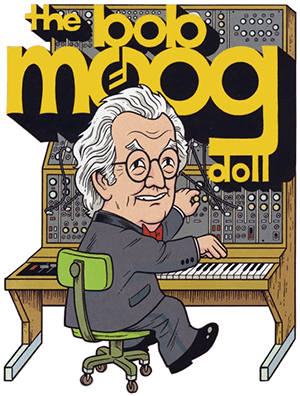
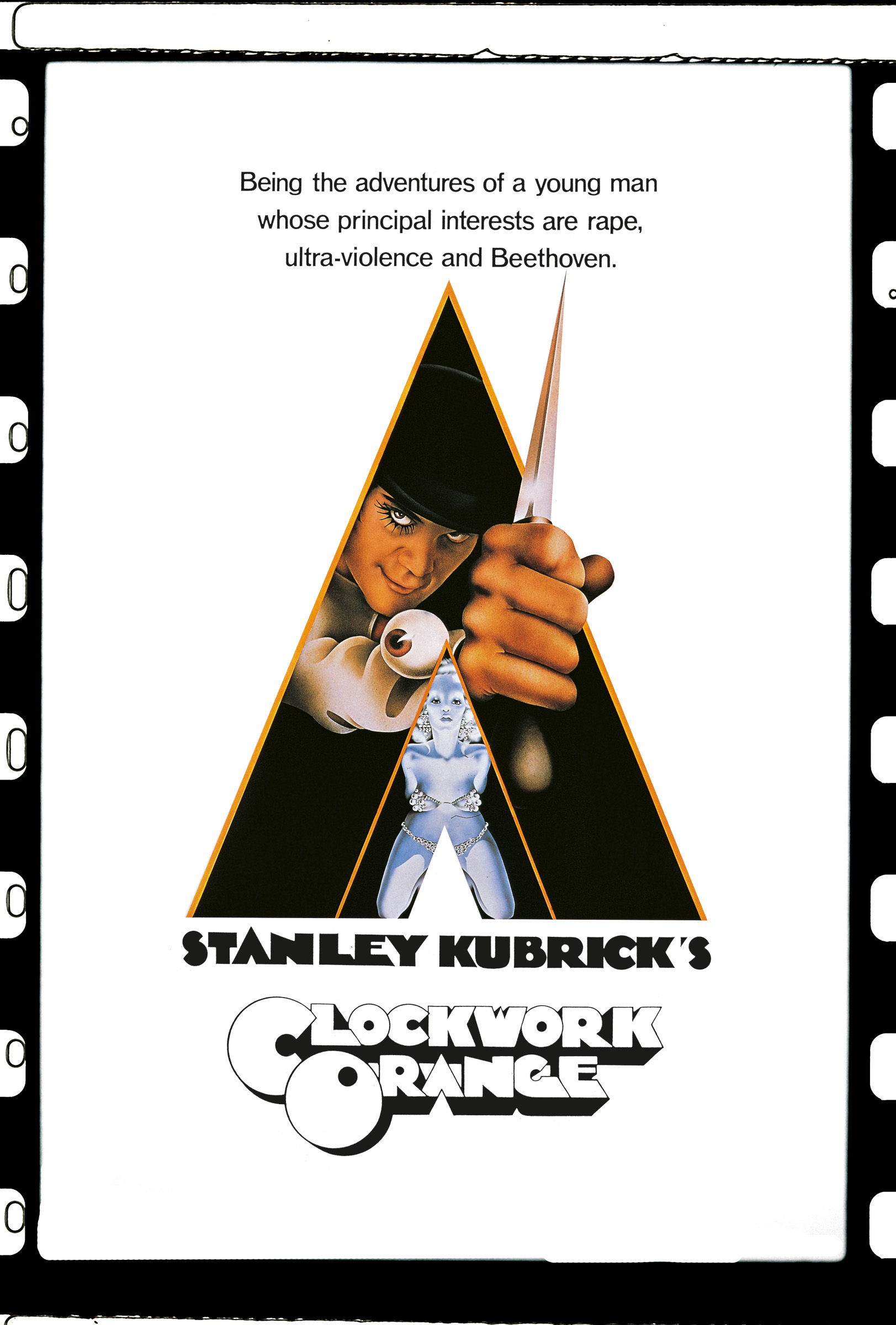
Wendy Carlos (b. 1939) is an American composer and electronic musician. Carlos first came to notice in the late 1960s with recordings made on the Moog synthesizer, then a relatively new and unknown instrument; most notable were LPs of synthesized Bach and the soundtrack for Stanley Kubrick’s film ‘A Clockwork Orange.’ Although the first Carlos Moog albums were interpretations of the works of classical composers, she later resumed releasing original compositions.
read more »
Posted in Art, Technology |
Leave a Comment »
March 9, 2011

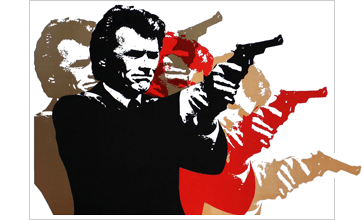
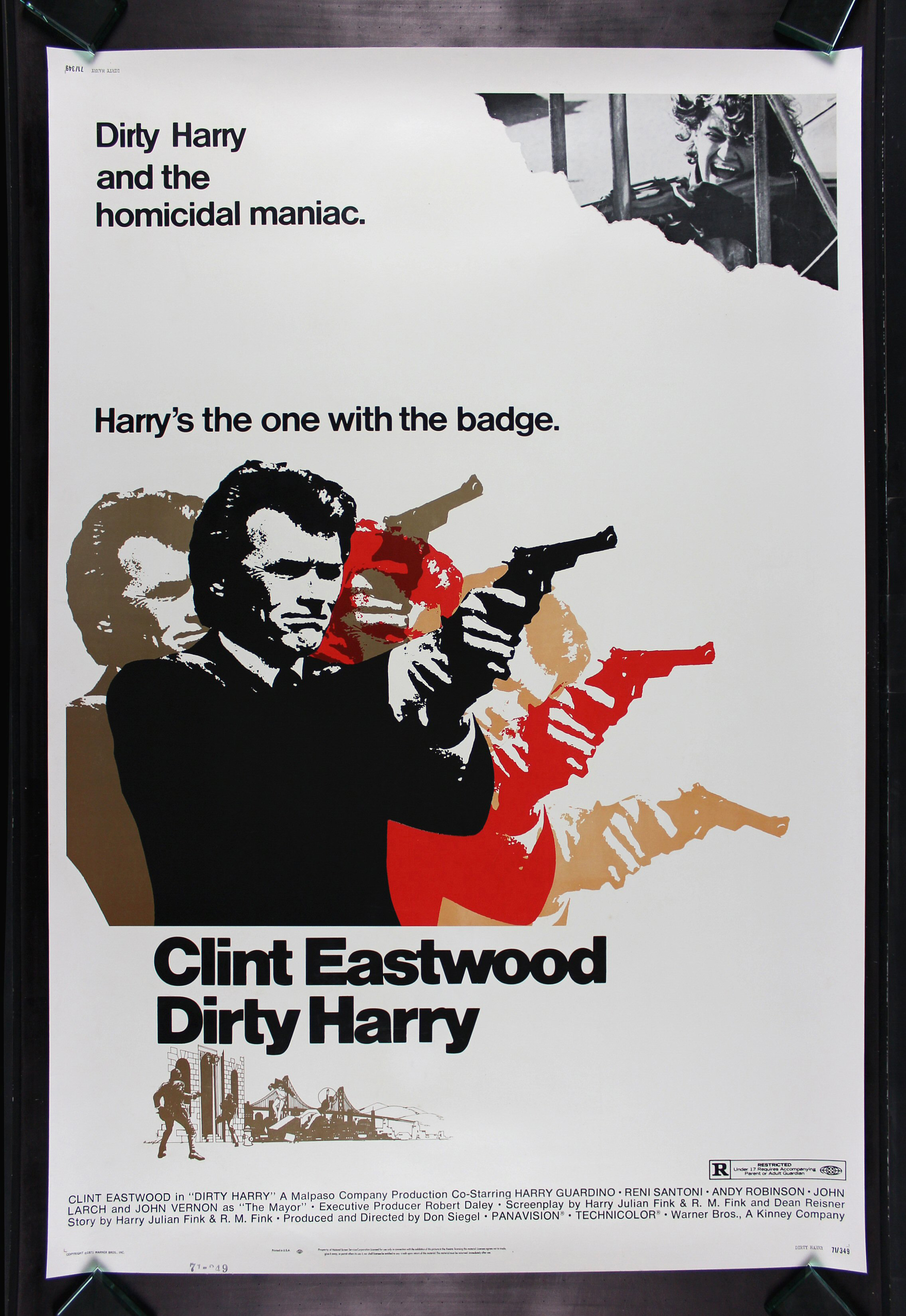
Bill Gold (b. 1921) is an American graphic designer best known for thousands of movie poster designs. During his 60-year career he worked with some of Hollywood’s greatest filmmakers, including Clint Eastwood, Alfred Hitchcock, Stanley Kubrick, Elia Kazan, Ridley Scott, and many more. Among his most famous film posters are those for Casablanca, A Clockwork Orange, and The Sting. Gold designed (and often photographed) posters for 35 consecutive Clint Eastwood films, from Dirty Harry (1971) to Mystic River (2004).
All of Gold’s posters have had a distinctive style. Each poster gave a film its unique identity, often creating the only lasting impression of a film that many would get. Gold’s ever-changing style reflected a wide range of current tastes, trends, and approaches, yet never strayed from the tried-and-true basics of film promotion. Together, Bill Gold’s poster art represents many of the most important American films since the advent of color photography.
Posted in Art, Money |
Leave a Comment »
March 9, 2011
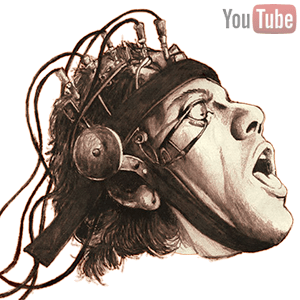
The Ludovico technique is a fictional drug-assisted aversion therapy from the novel and film ‘A Clockwork Orange.’ It involves the patient being forced to watch violent images for long periods of time, while under the effect of drugs that cause a near death experience. The idea is that if the patient is forced to watch the horribly graphic rapes, assaults and other acts of violence while suffering from the drug effects, the patient will assimilate the sensations and then become incapacitated or very ill either attempting to perform or even just witnessing said acts of violence.
The concept is an artistic semblance of the psychological phenomenon known as classical conditioning which is a form of associative learning that was first demonstrated by Ivan Pavlov. The typical procedure for inducing classical conditioning involves presentation of a neutral stimulus along with either the presentation of a positive stimulus or the removal of an aversive stimulus. The neutral stimulus could be any event that does not result in an overt behavioral response from the organism under investigation.
Posted in Art, Politics, Science |
Leave a Comment »